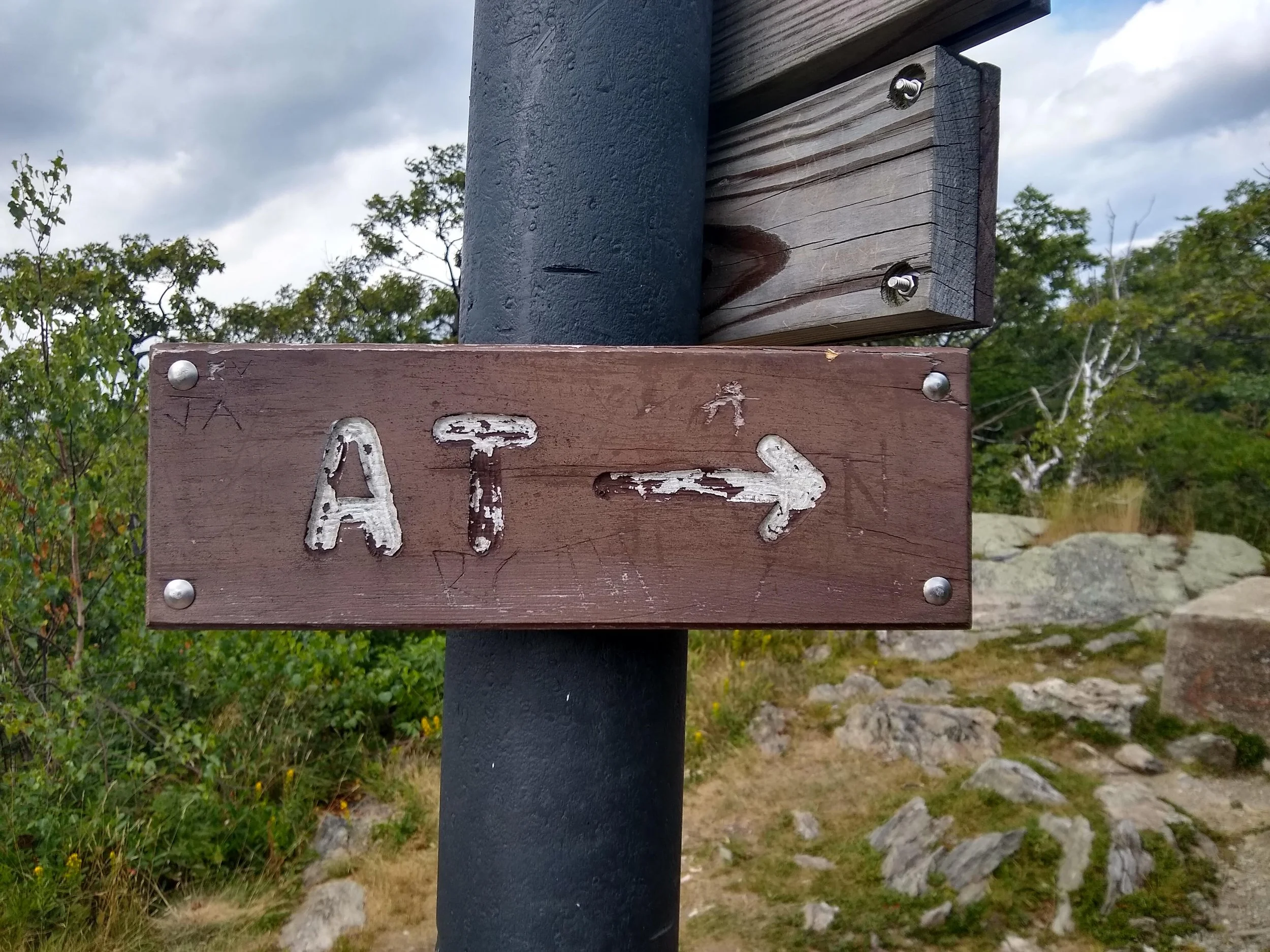
Shibusa
‘Shibusa’ is an ancient concept that has been present in traditional Japanese aesthetics for centuries. It is commonly translated to English in different ways, such as ‘a subtle and unobtrusive beauty’, and ‘relating to things understated and refined,’ and ‘a quality of pleasant naturalness holding elements far richer than their outward appearance initially conveys’. Pictures of antique vases and sparsely adorned tea-rooms often accompany these definitions as visual aids to better grasp the concept, conveying the sense of an unembellished beauty rooted in timeless designs and organic harmony, a graceful interplay of function and form. Perhaps the most succinct translation I have found for Shibusa is ‘simple yet profound.’ Like many such ideas, the concept of Shibusa is complex, nuanced and difficult to translate from one language into another. For the cultural outsider, full understanding feels elusive. However, Shibusa is something which all thru-hikers encounter on their journey and, I believe, come to understand in a way deeper than words.
Shibusa is found in many different elements of culture, such as architecture, fashion, interior design, and food. Likewise, there are many elements of trail-life tinted with the essence of Shibusa, many moments defined by the deep and natural quietude of the walking life. A sense of Shibusa is interwoven into the fabric of the trail, present in all elements, a harmony inherent to the aesthetics of the endeavor.
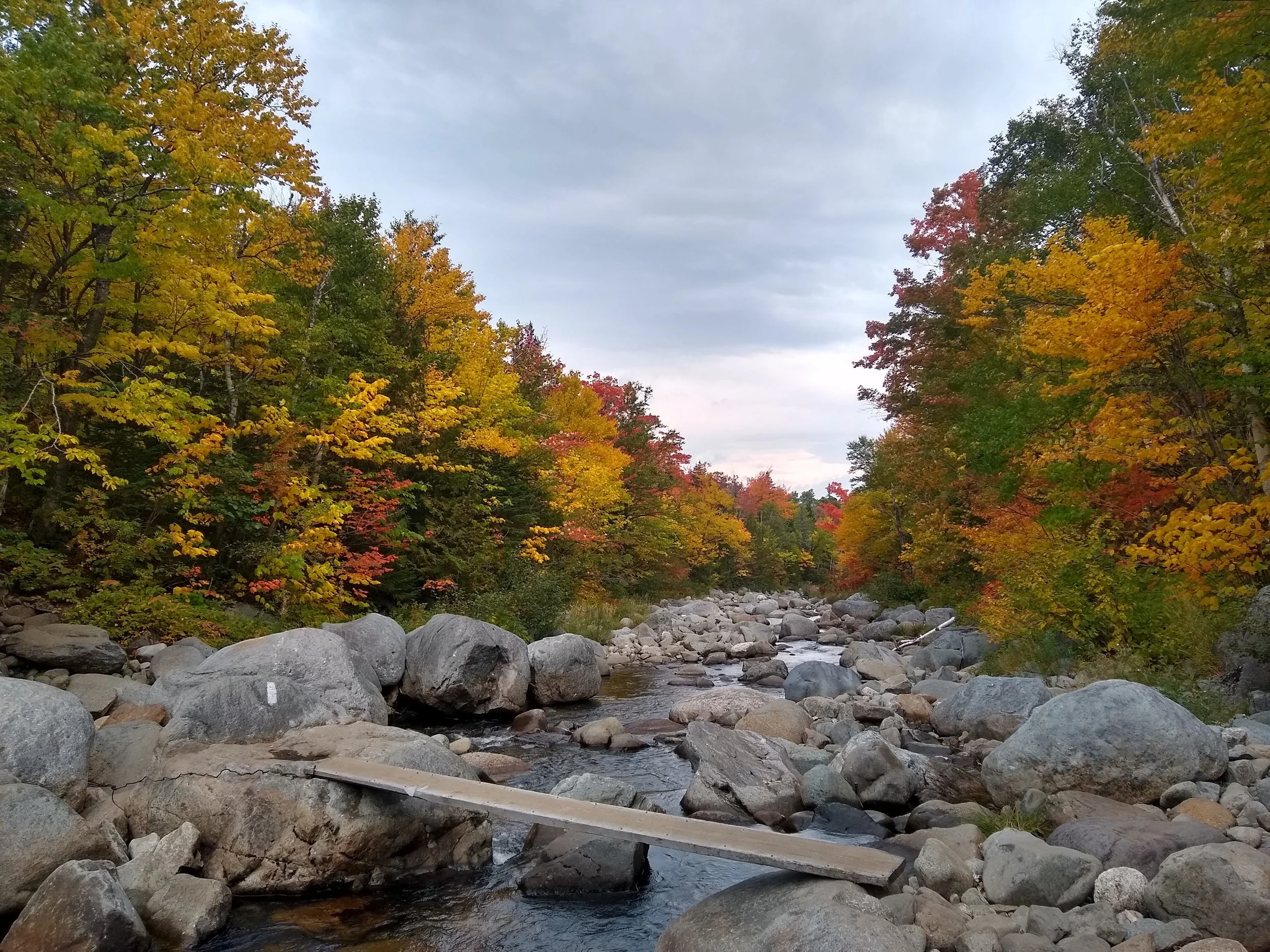
It is an esthetics rooted in the materials of the natural world, and the organics of decay. All around us is a secret, soft-spoken symphony of fallen leaves and faded colors, a sensory ballet of bright light and shadow. The texture of a world at one with itself.
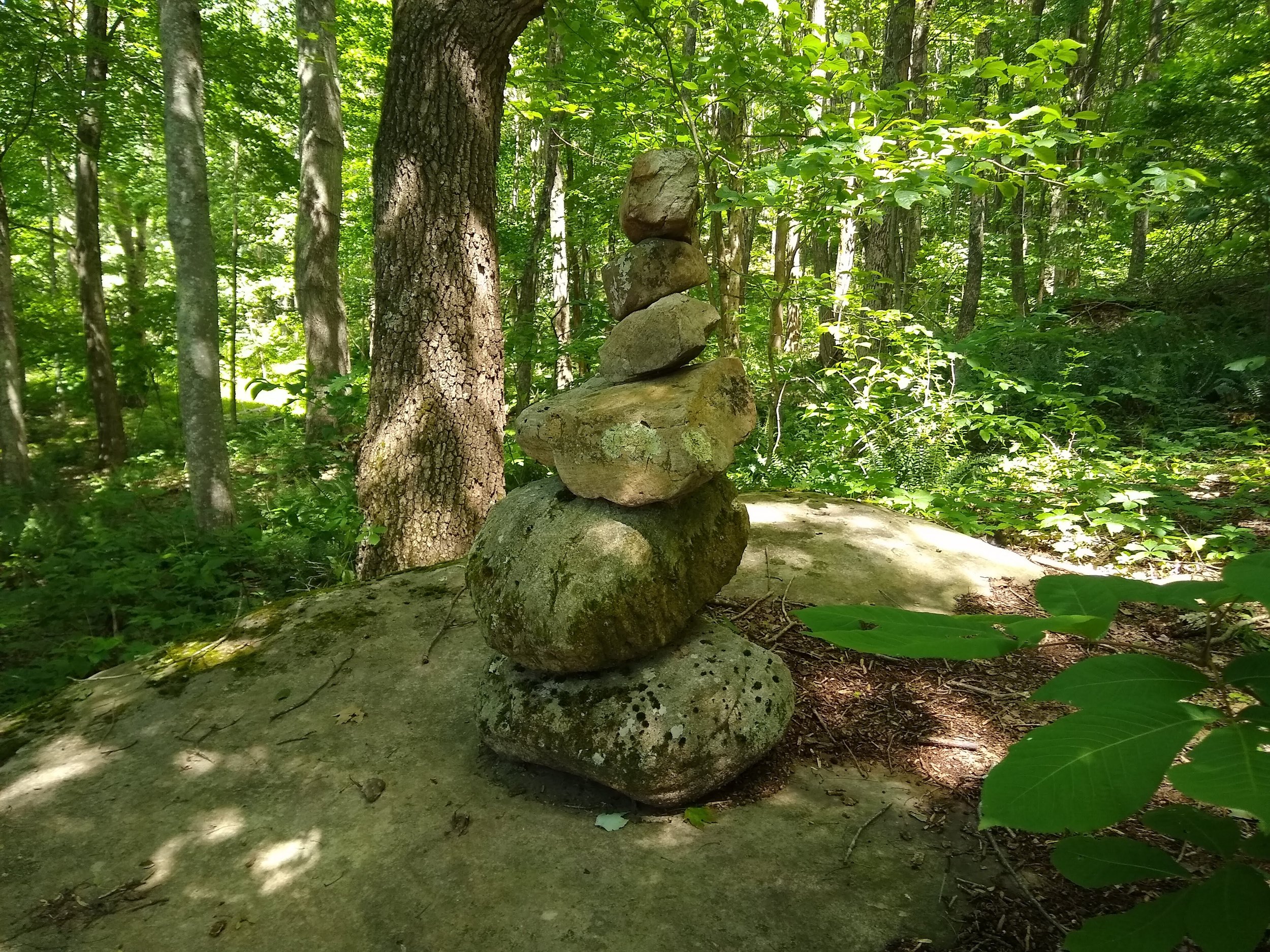
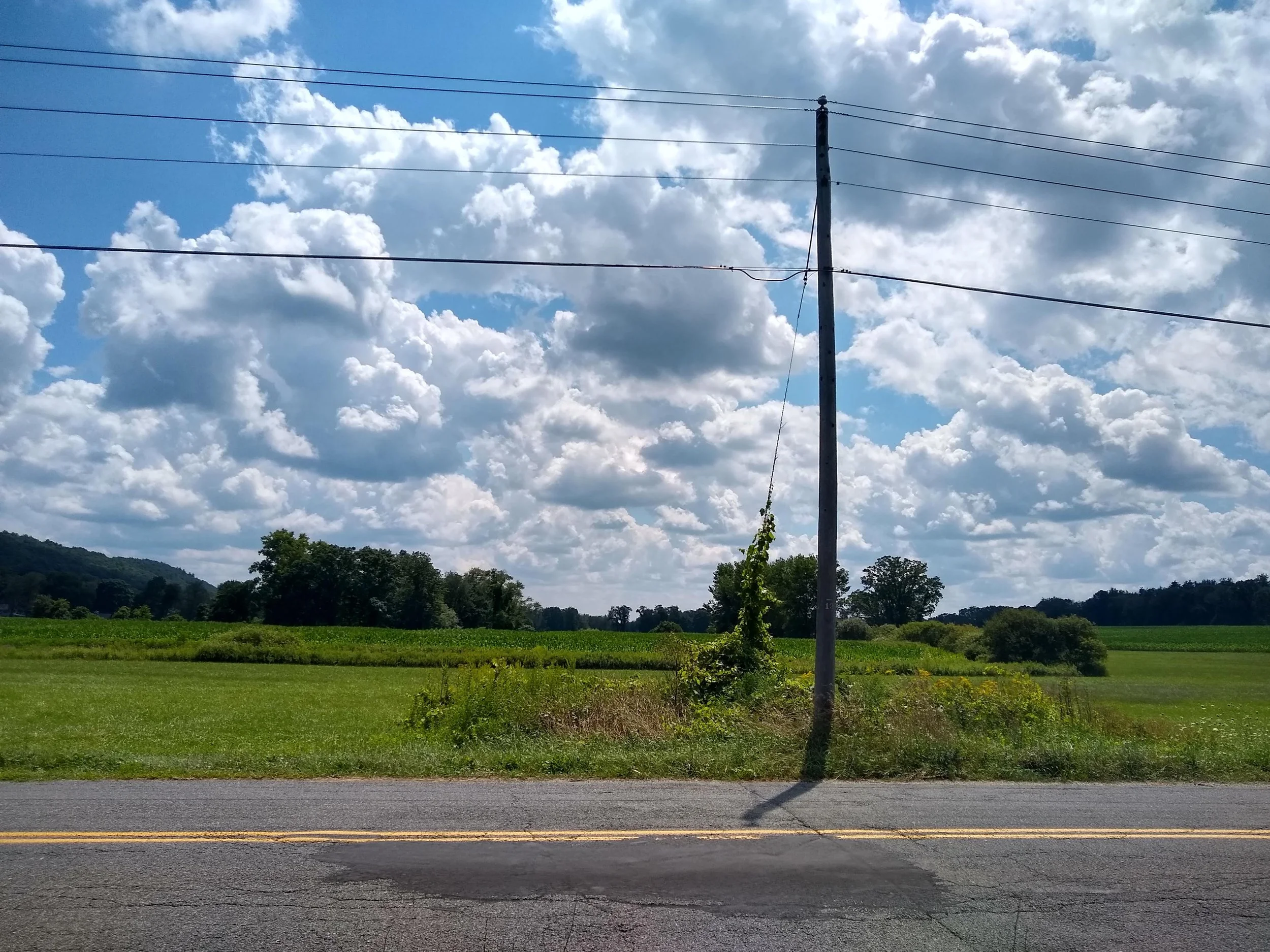
This sense of Shibusa is its own path, a mind-path mirroring the path we walk with our feet. The stepping stones of this path are found all around us, embedded within the asymmetrical elegance of the world through which we move. They are found in peaceful moments of rest while sitting quietly on a log in the middle of an old forest, or lounging in the grass beside a deserted back-road.
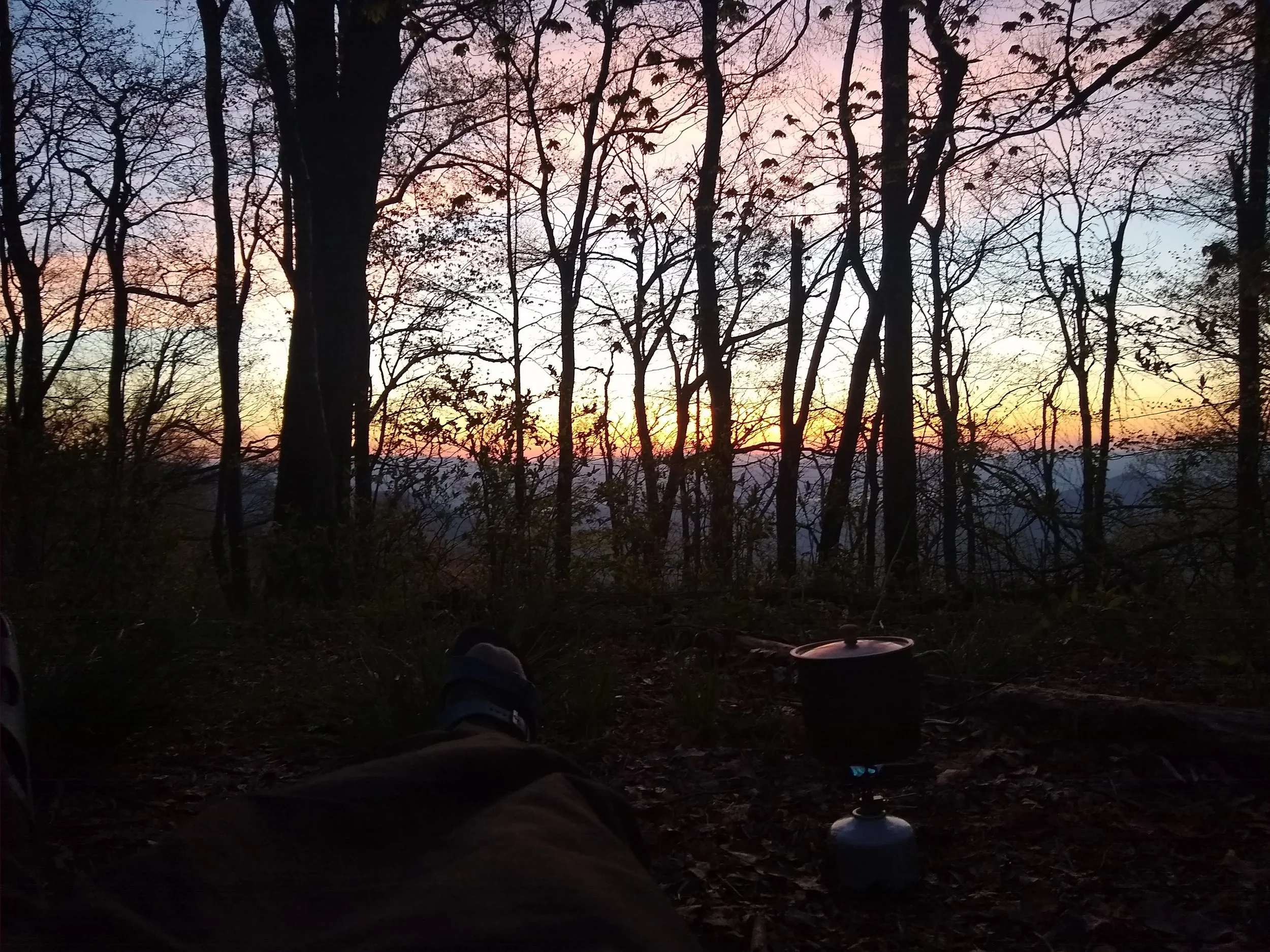
Or while sitting cross-legged at the top of a mountain, watching the purple skies fill up with light through the steam of instant coffee.
Moments of profound emptiness, when life is shrunken down to a manageable simplicity.
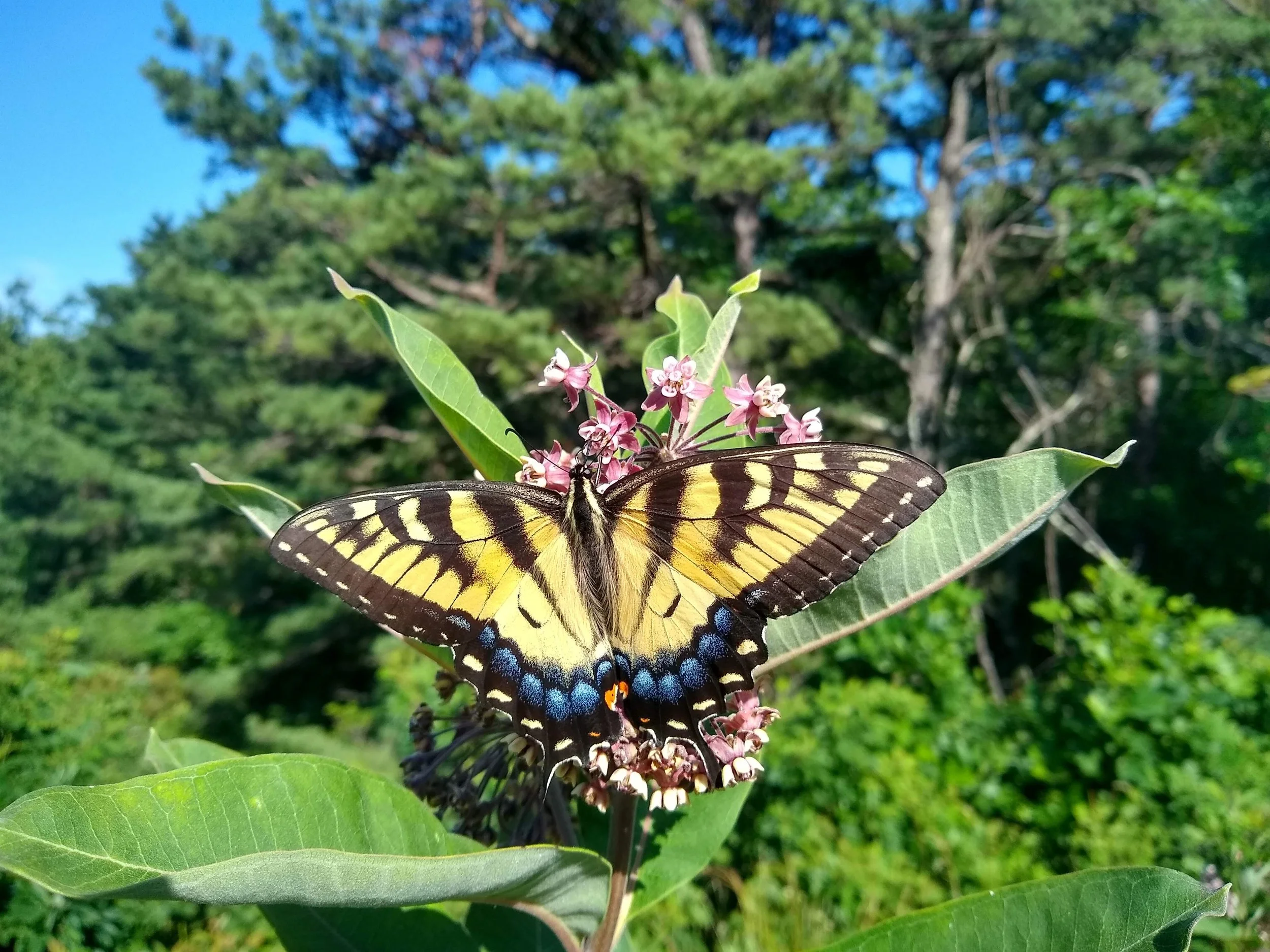
This sense of Shibusa is a poetry written in the rain and carved into the trail itself, a poetry of passage. It is made of quiet moments and moldering walls and things so worn-away that they have found a new shape, a shape somehow more true to the touch. It is a secret part of our lives that we slowly develop the skill to see, and once we see it we find it everywhere and all around. An understated elegance within the natural state of things allowed to exist and grow without artifice. A place on the world’s canvas where colors align rather than clash, where shapes come together rather than stand apart.
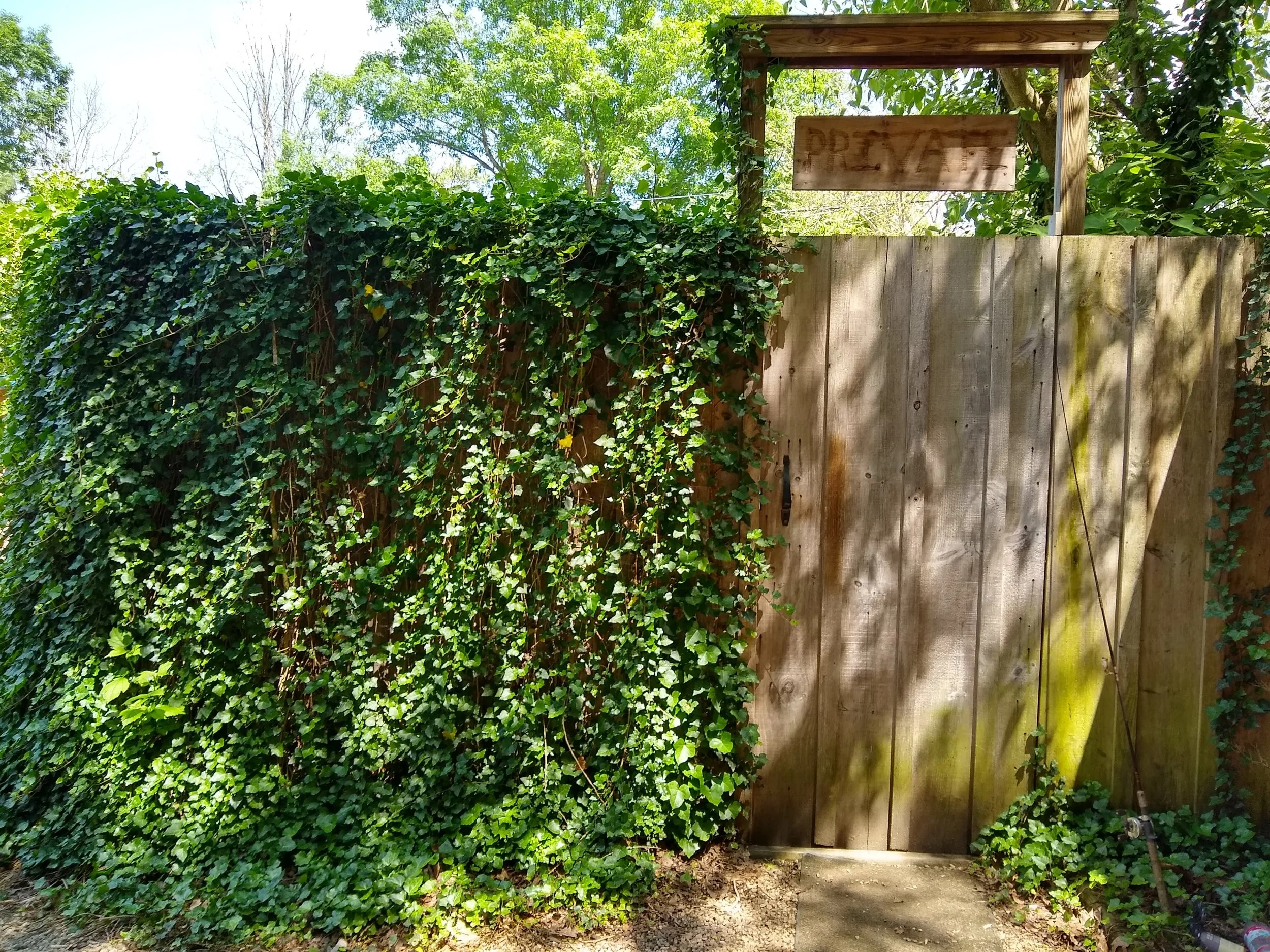
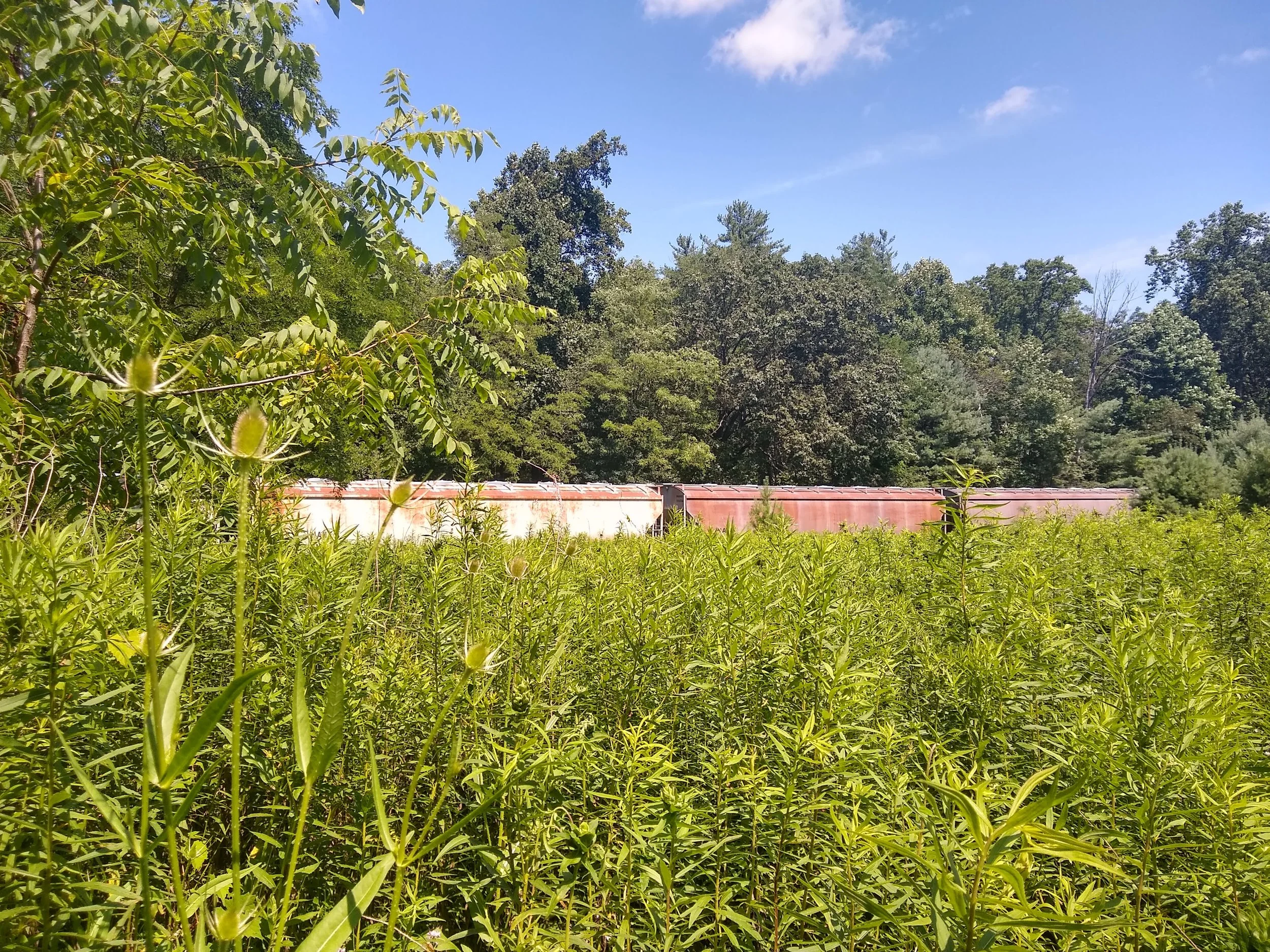
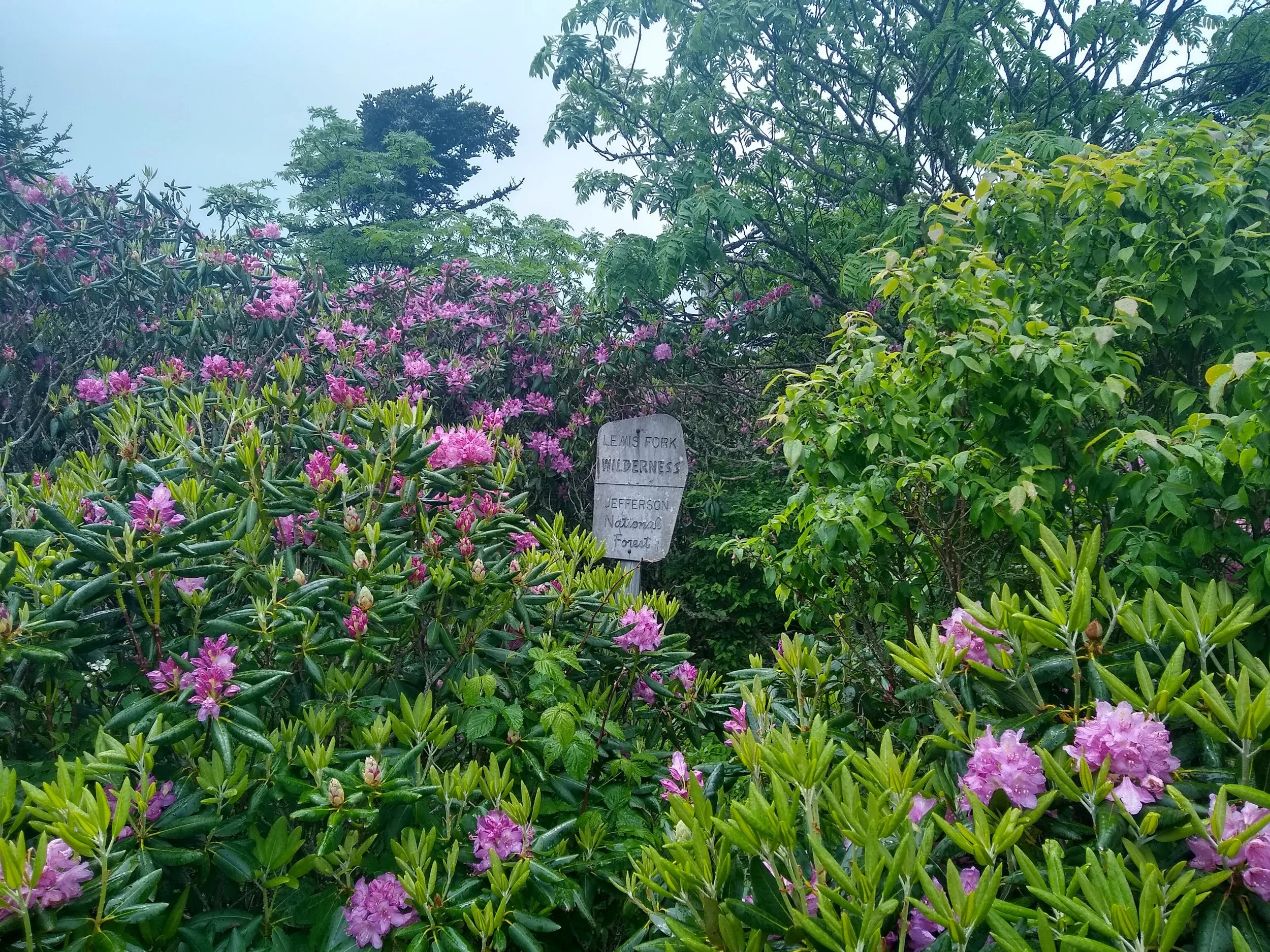
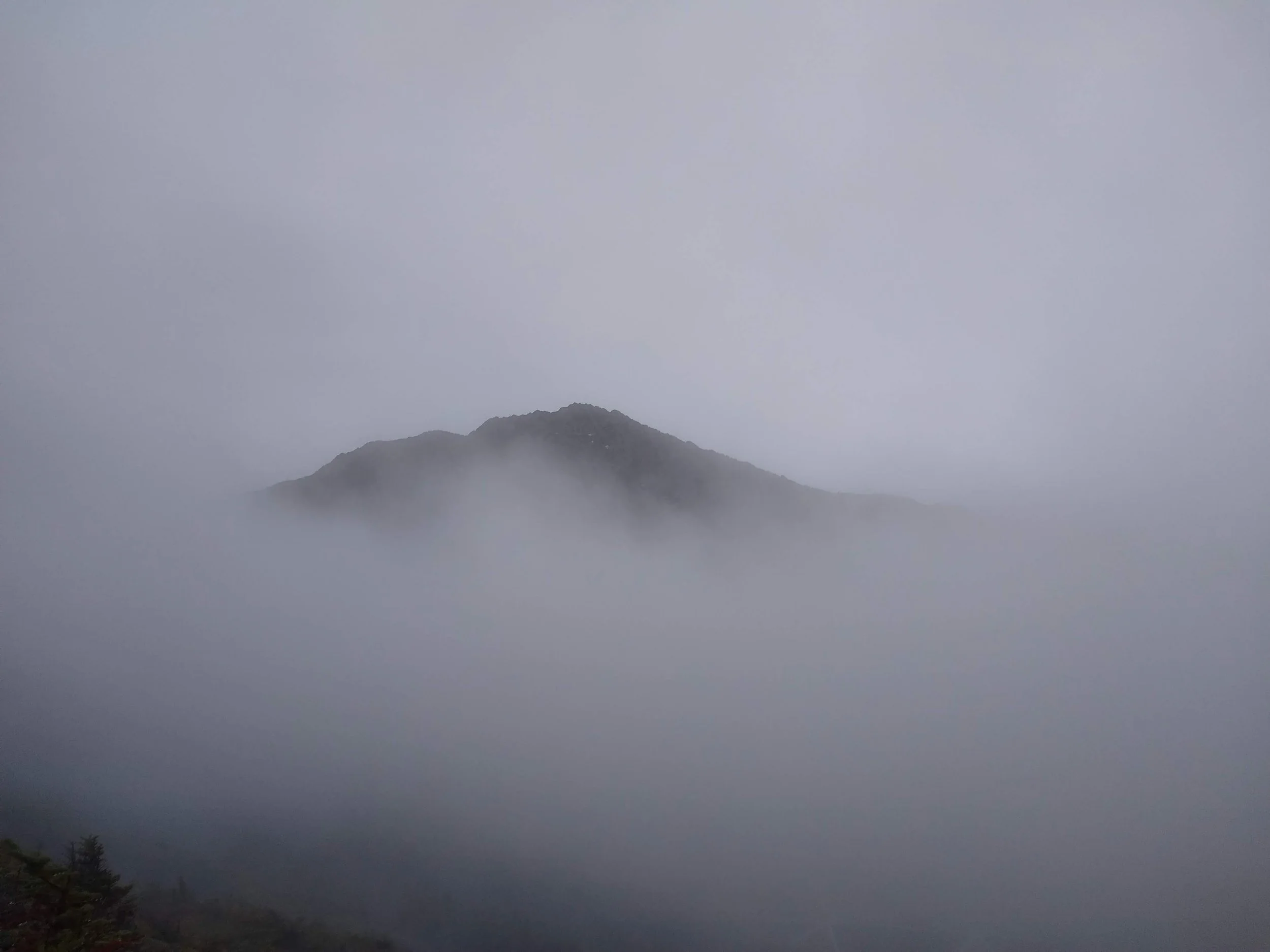
This sense of simple beauty is everywhere, when we go to sleep, when we wake up. It is in the way the mist robs a morning of detail and wraps all things in damp obscurity.
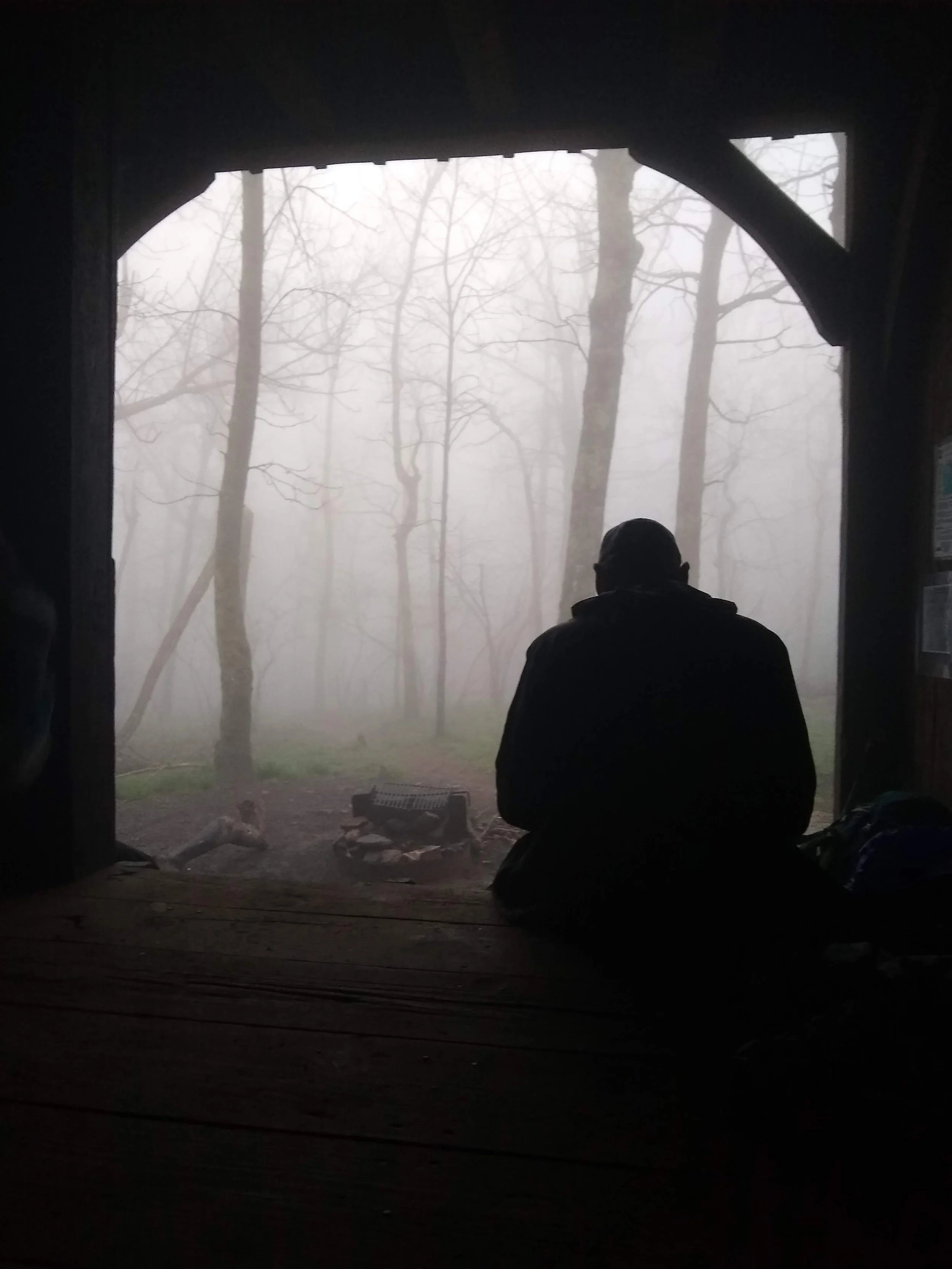
It is in the way the last light of day clings to the horizon just as the sun slips behind the mountains.
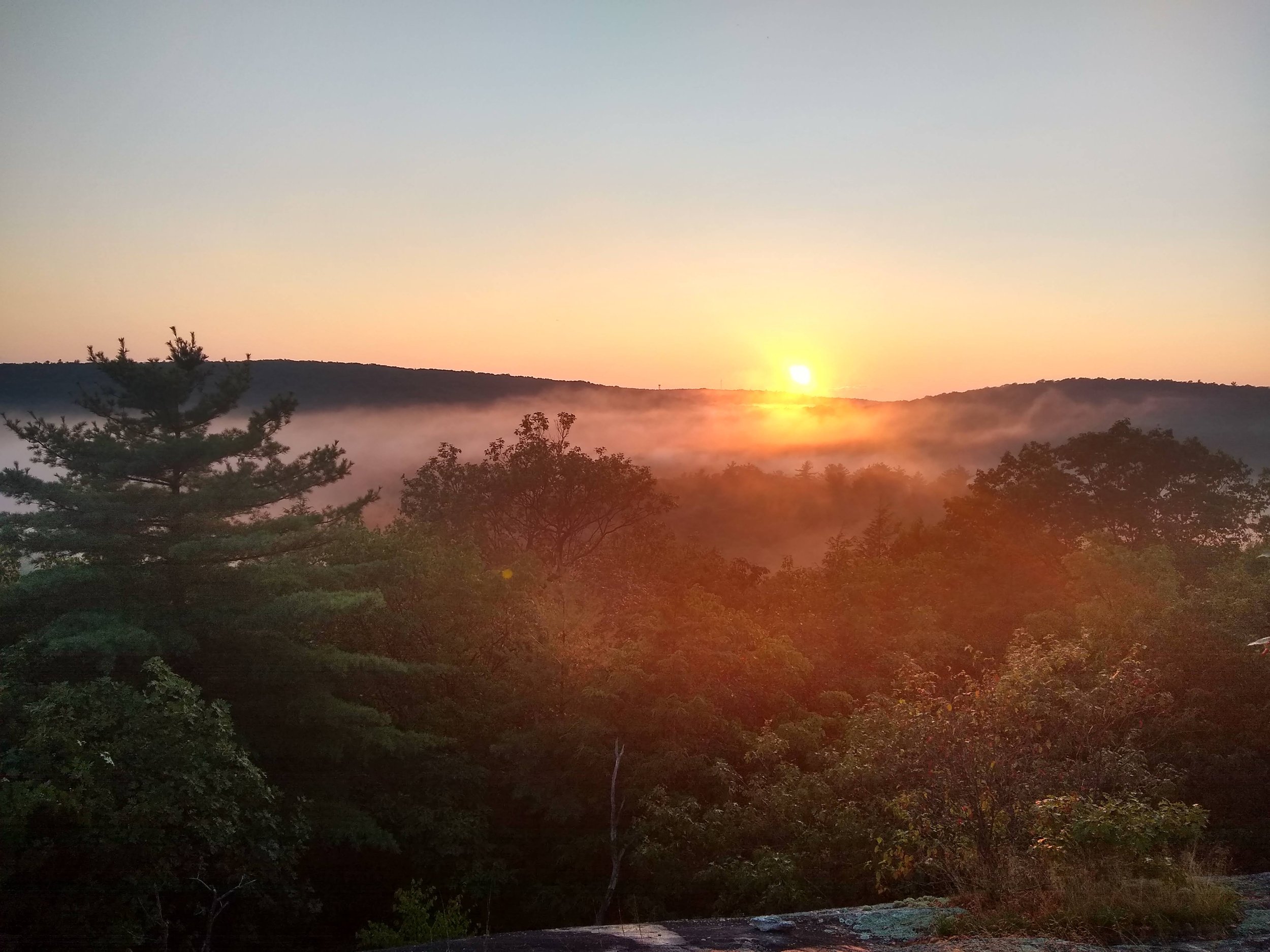
It is in the footworn stones of a path. In the faded colors of a rain-jacket. In the way the sunlight falls through the trees, and the taste of bramble-berries eaten at dawn.
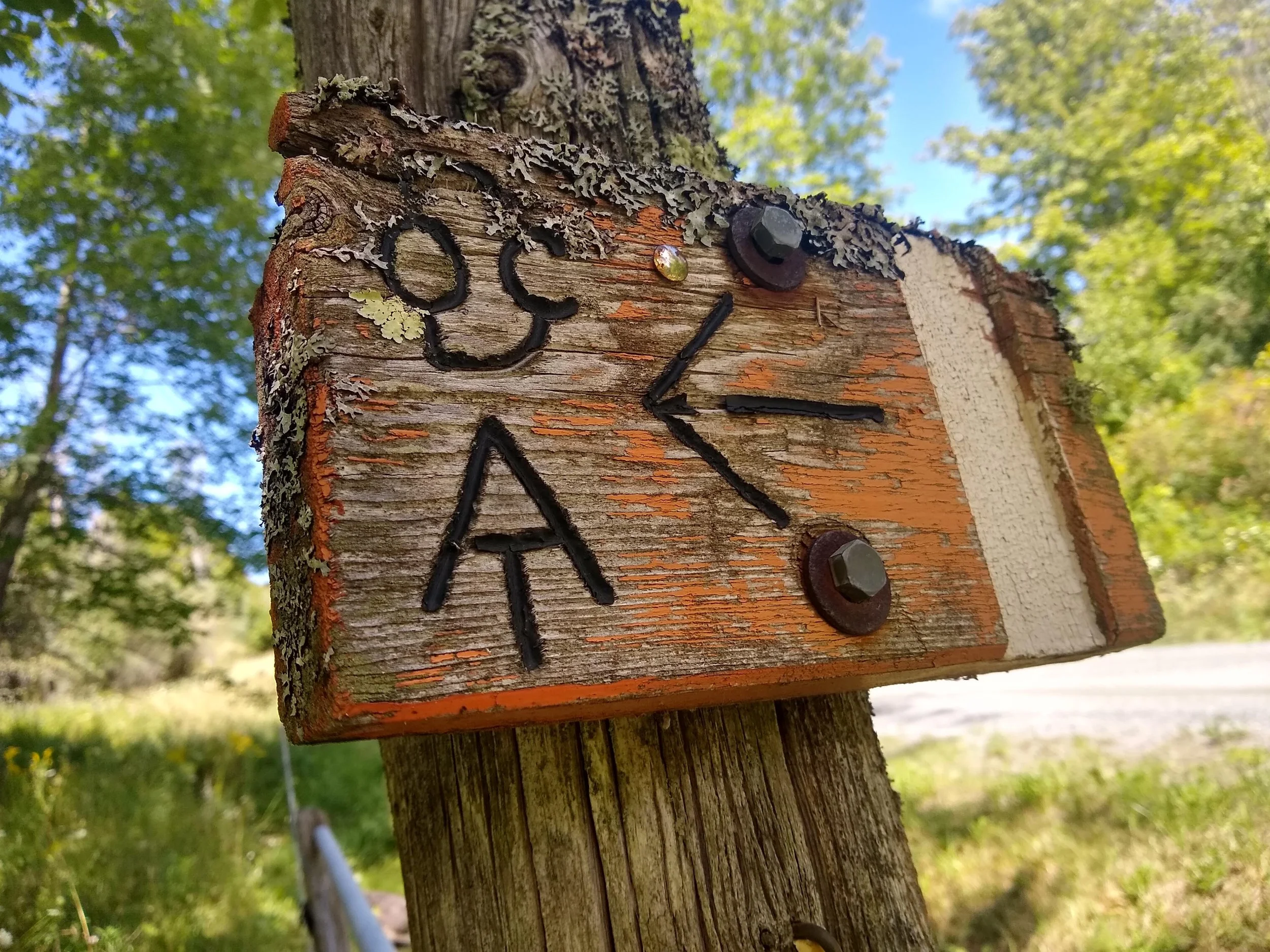
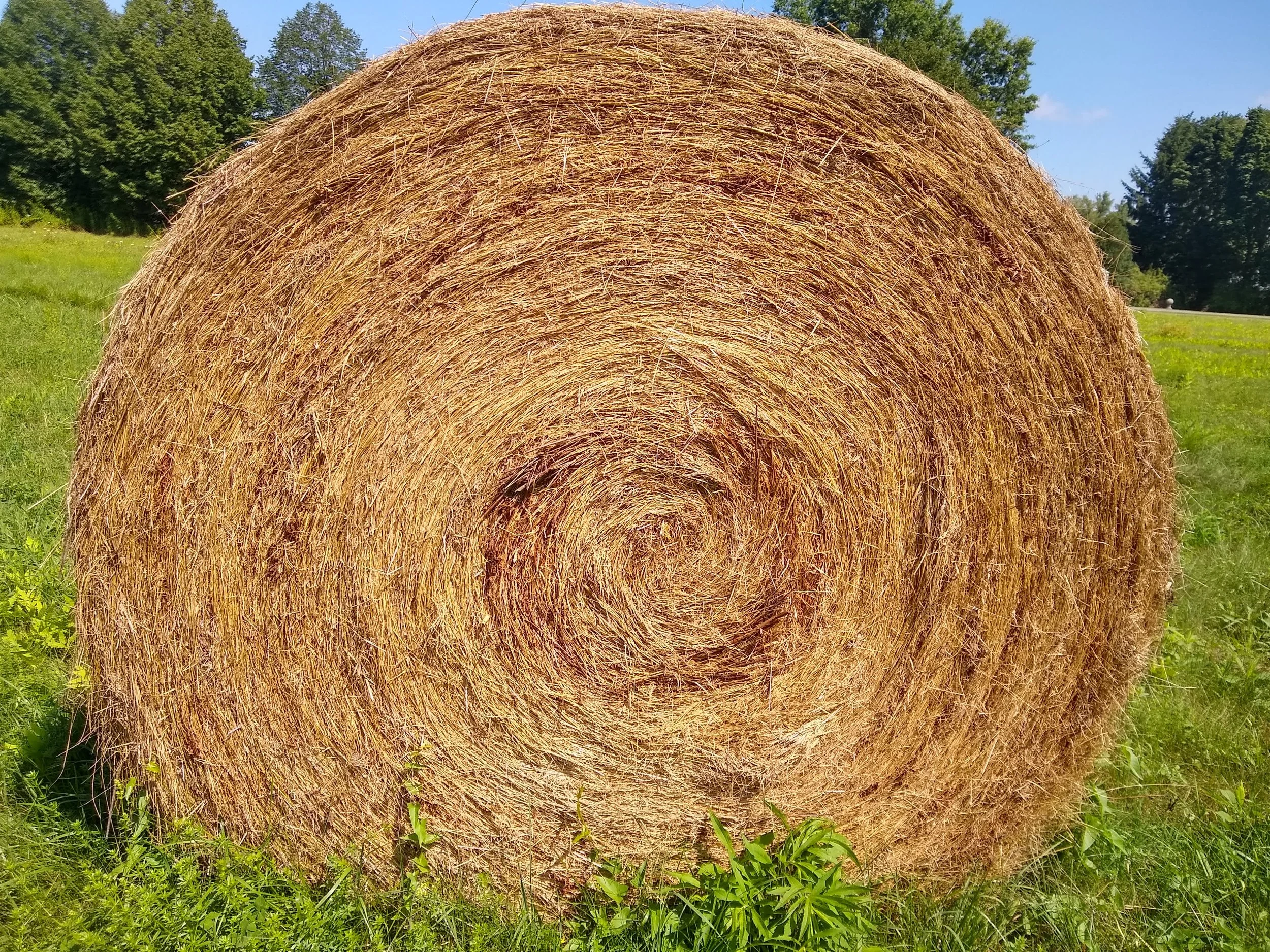
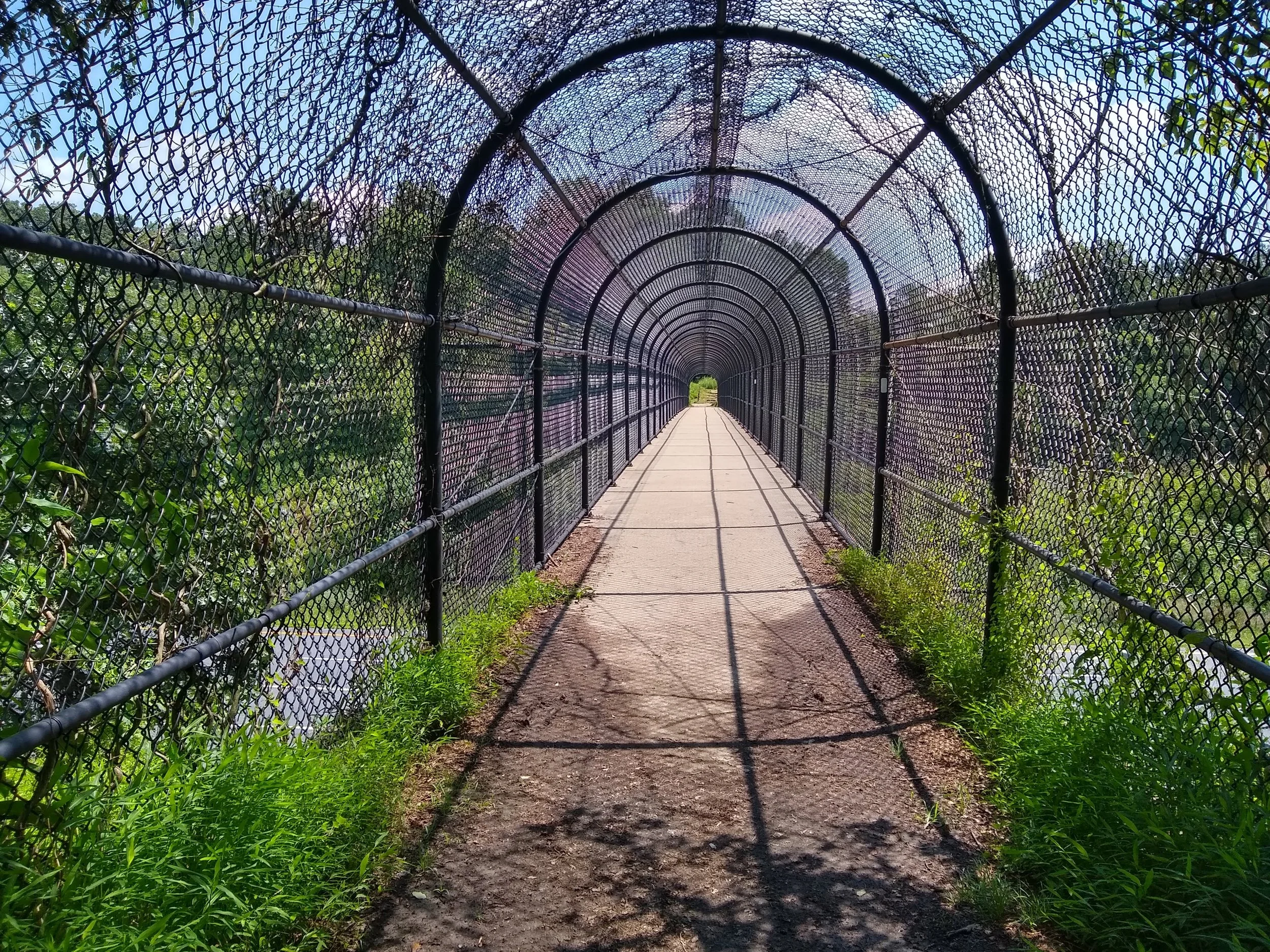
It is in the quiet collapse of an old forest, the quality of a thing settled into itself.
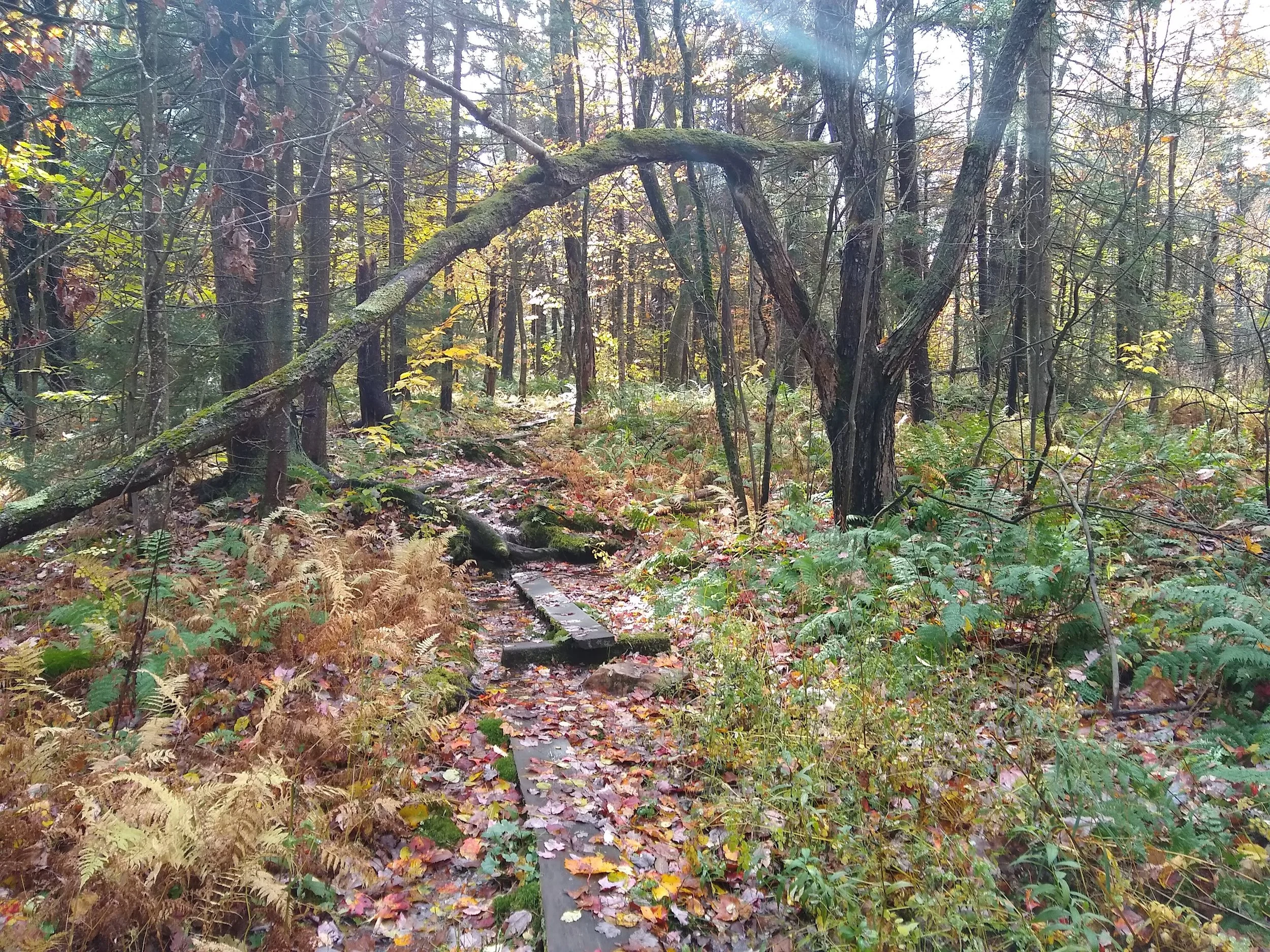
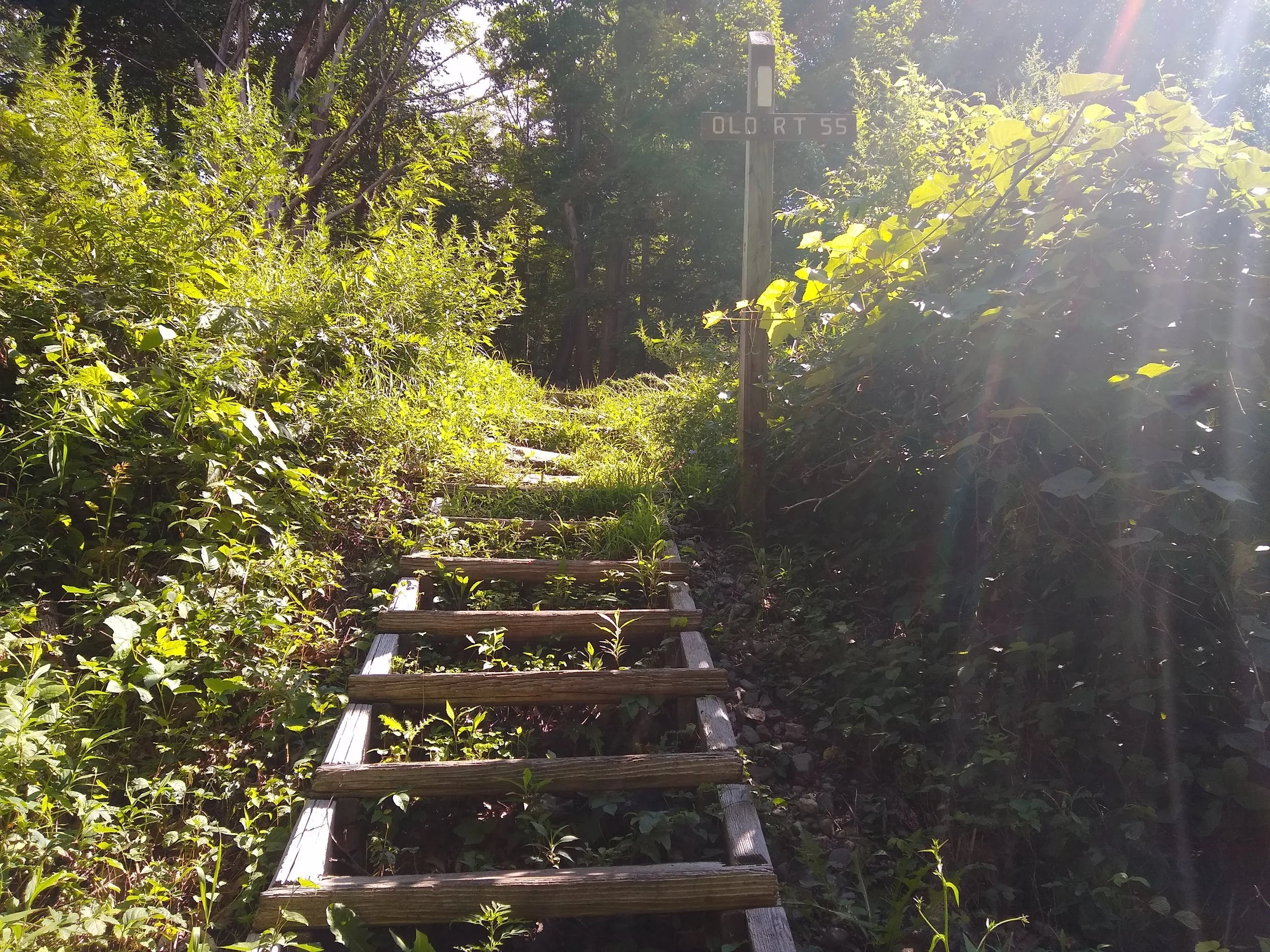
It is in the way the world grows around the trail, spilling over into it with shaggy indifference. In the way the shades of green overlap and bleed together and become one sprawling emerald tapestry.
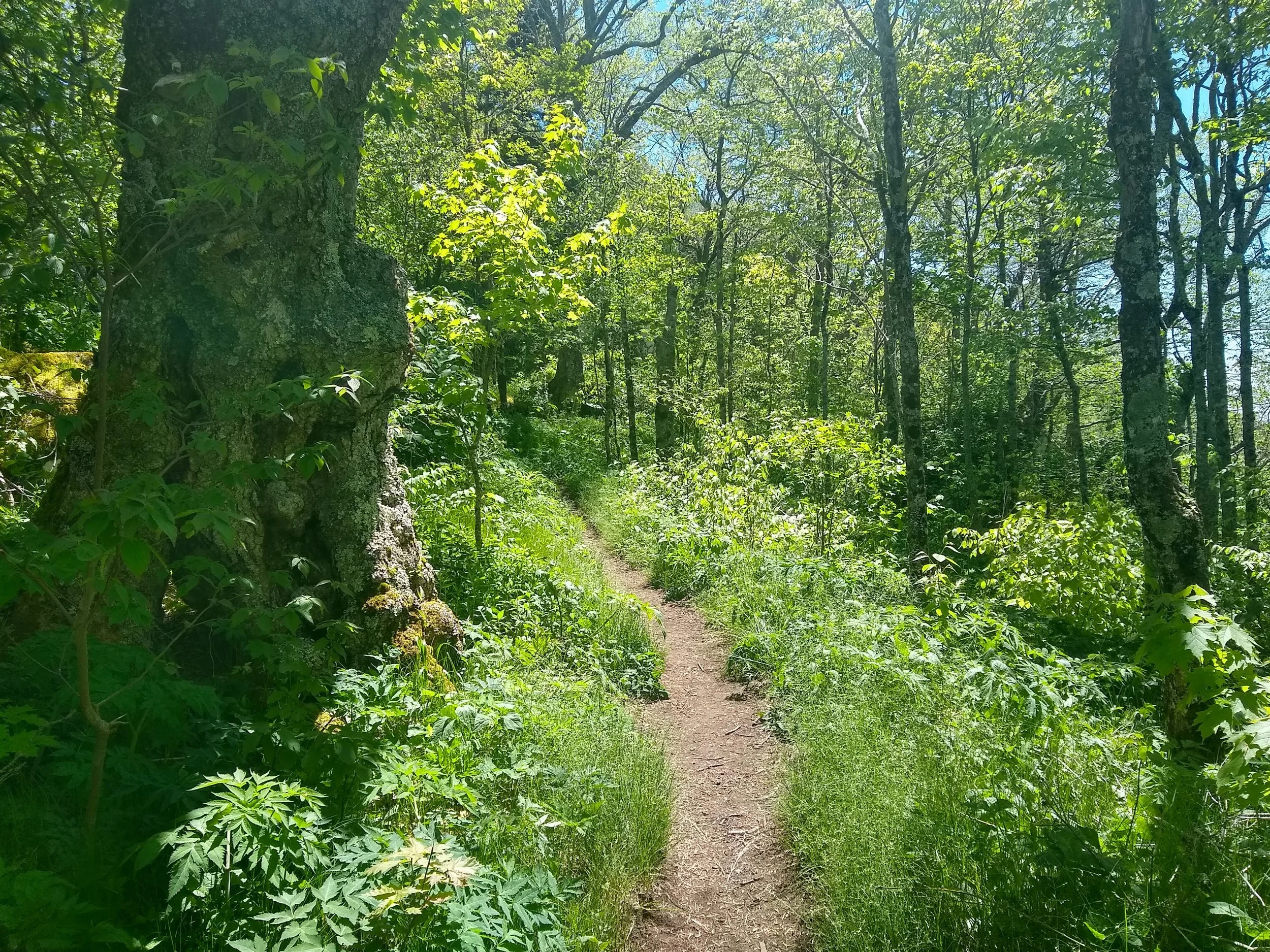
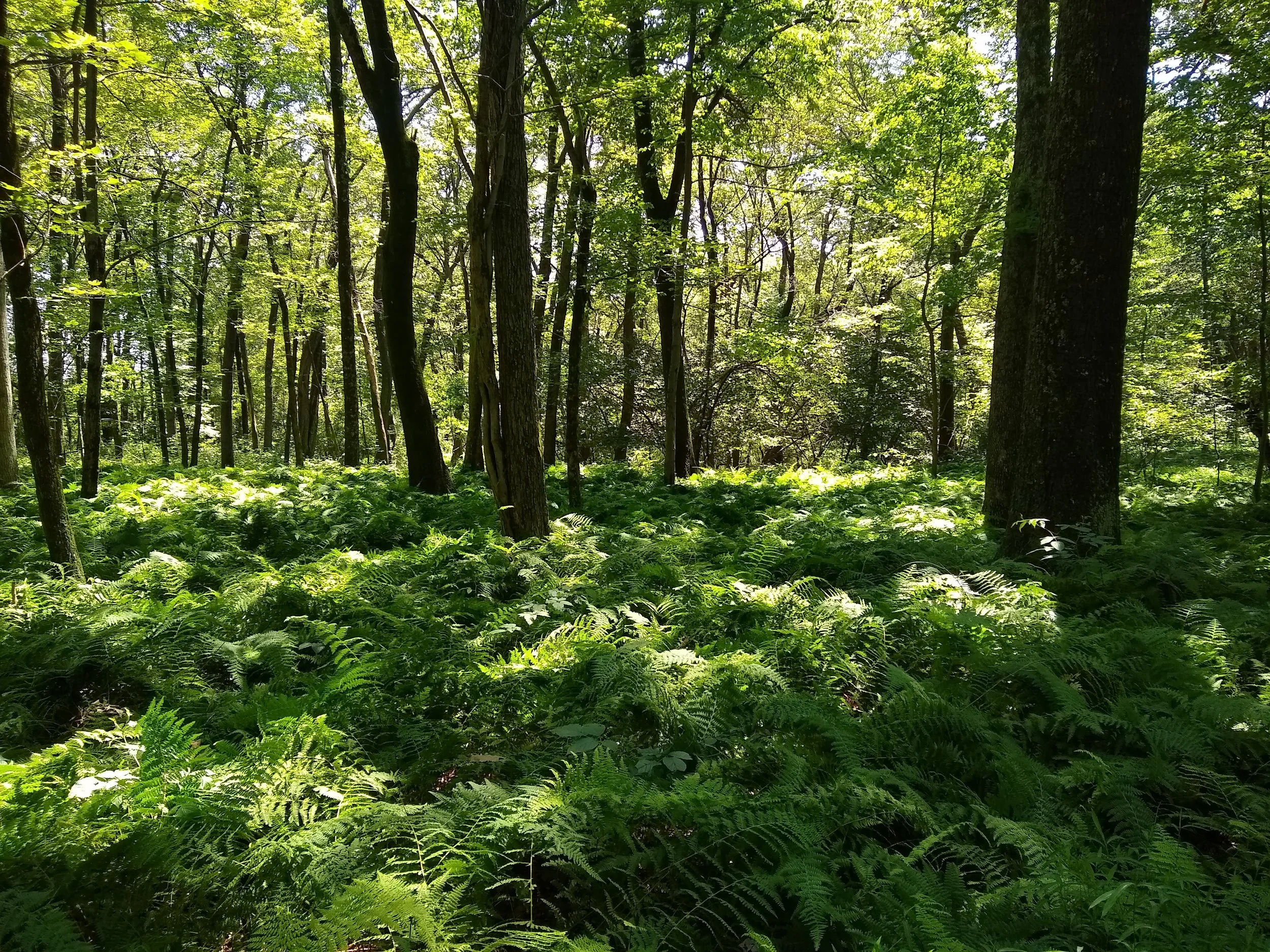
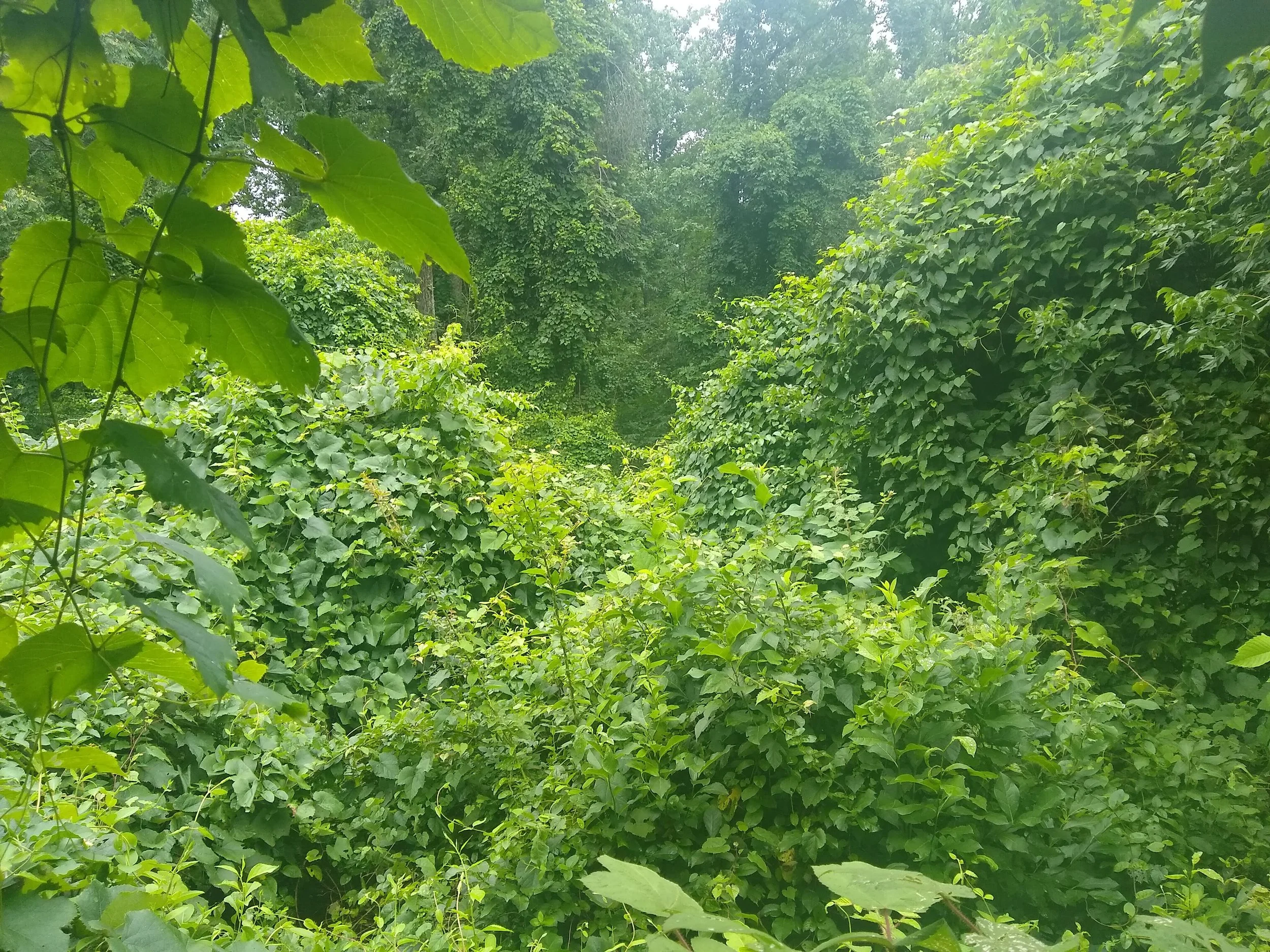
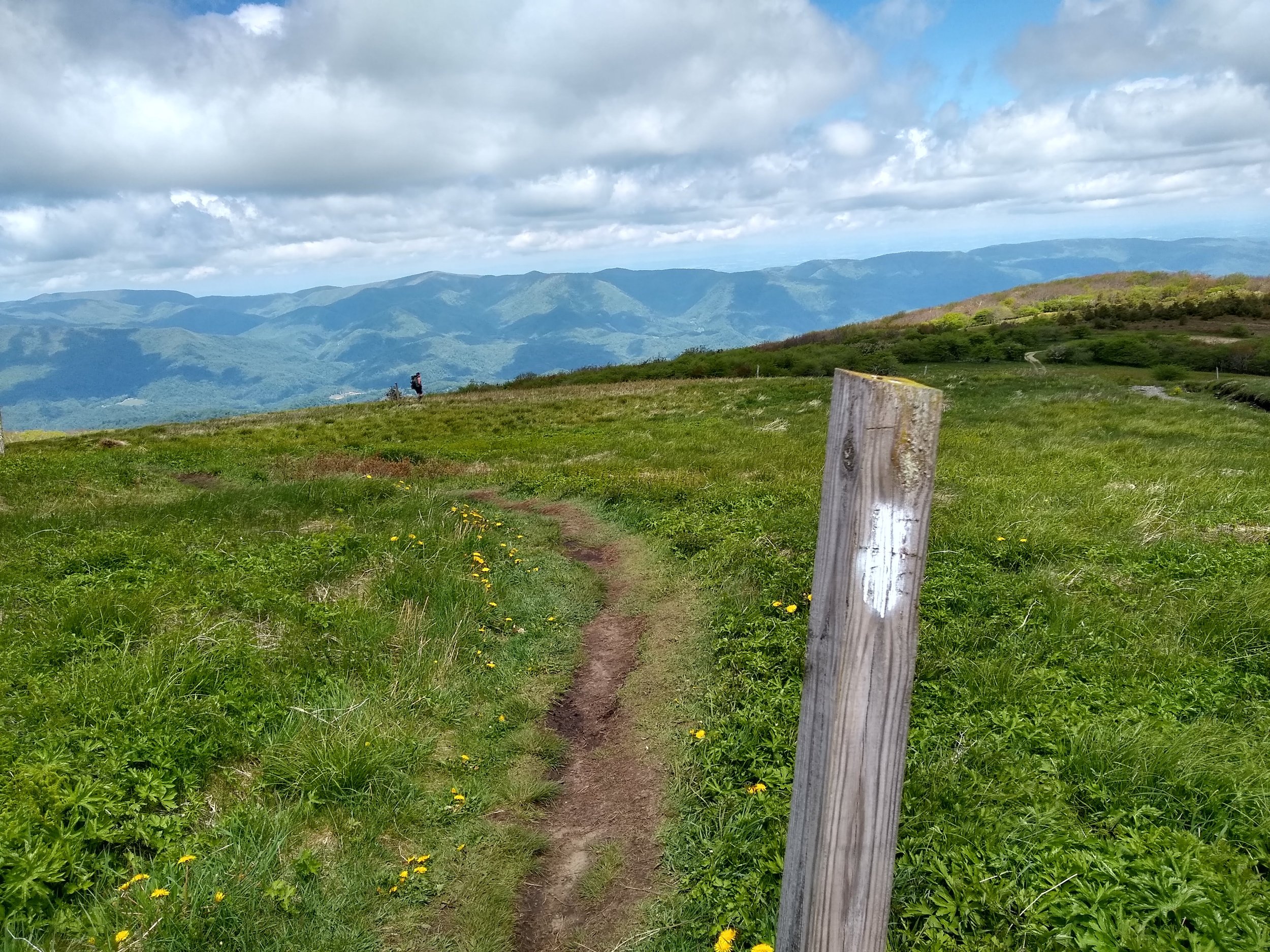
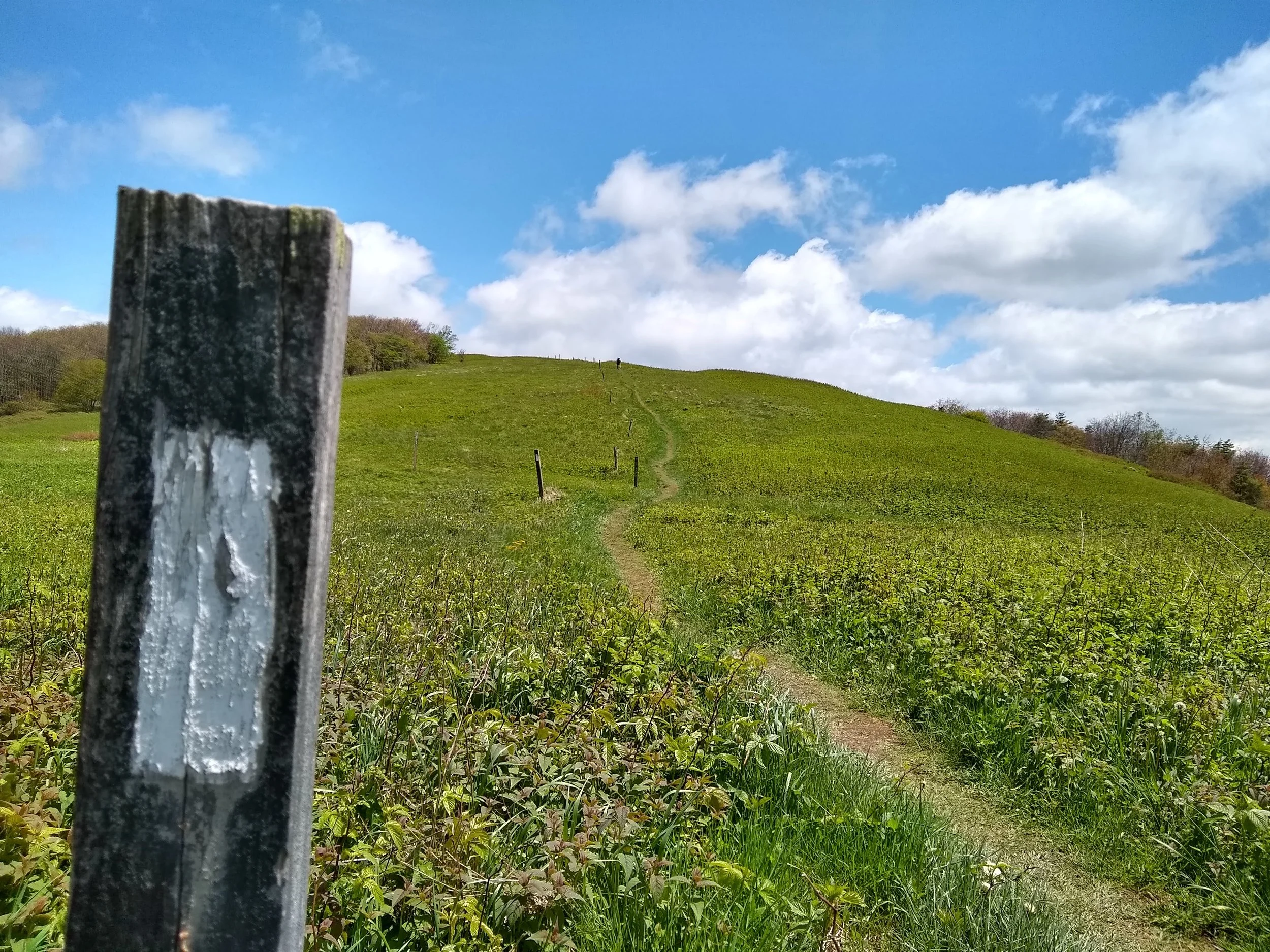
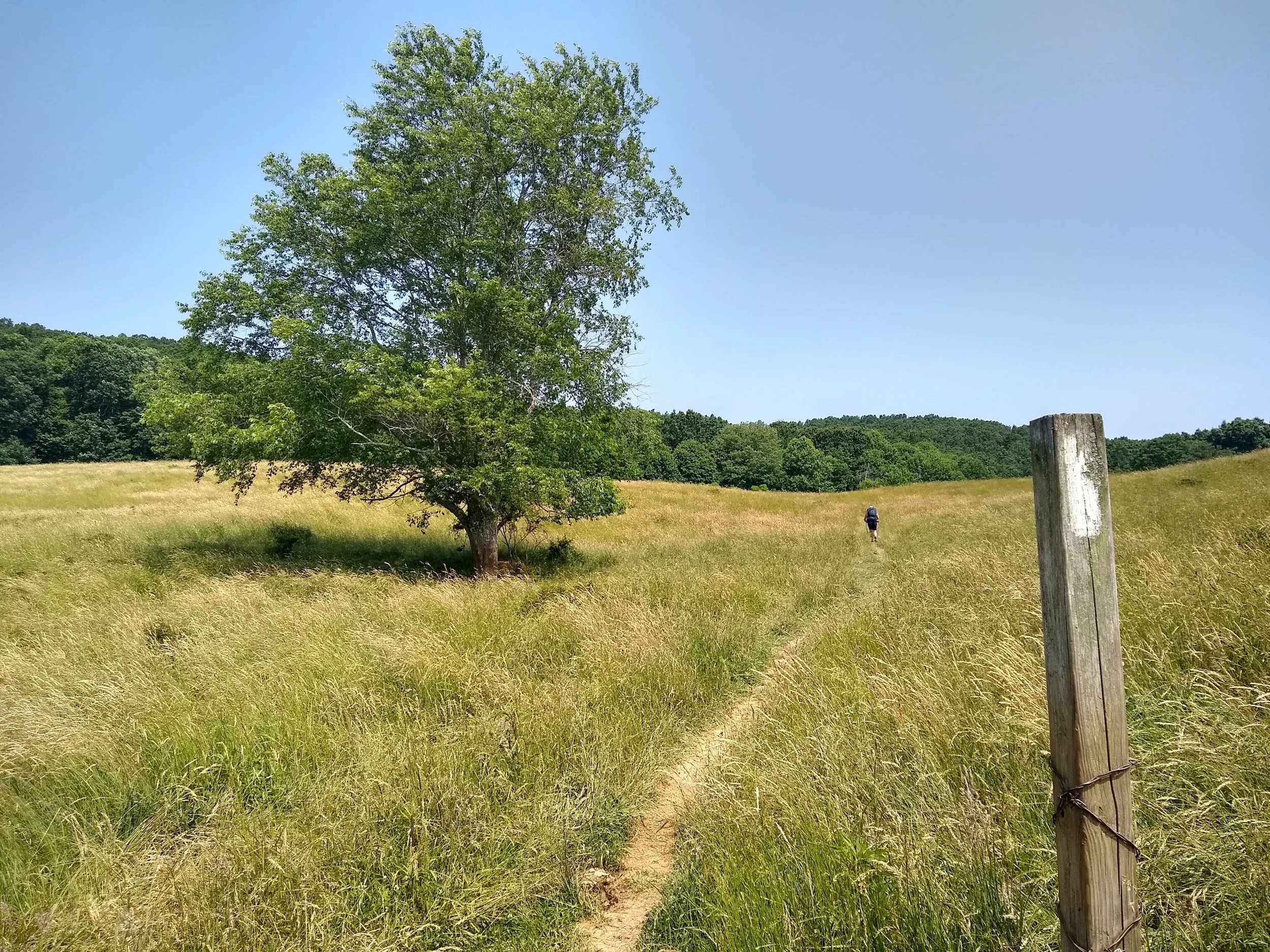
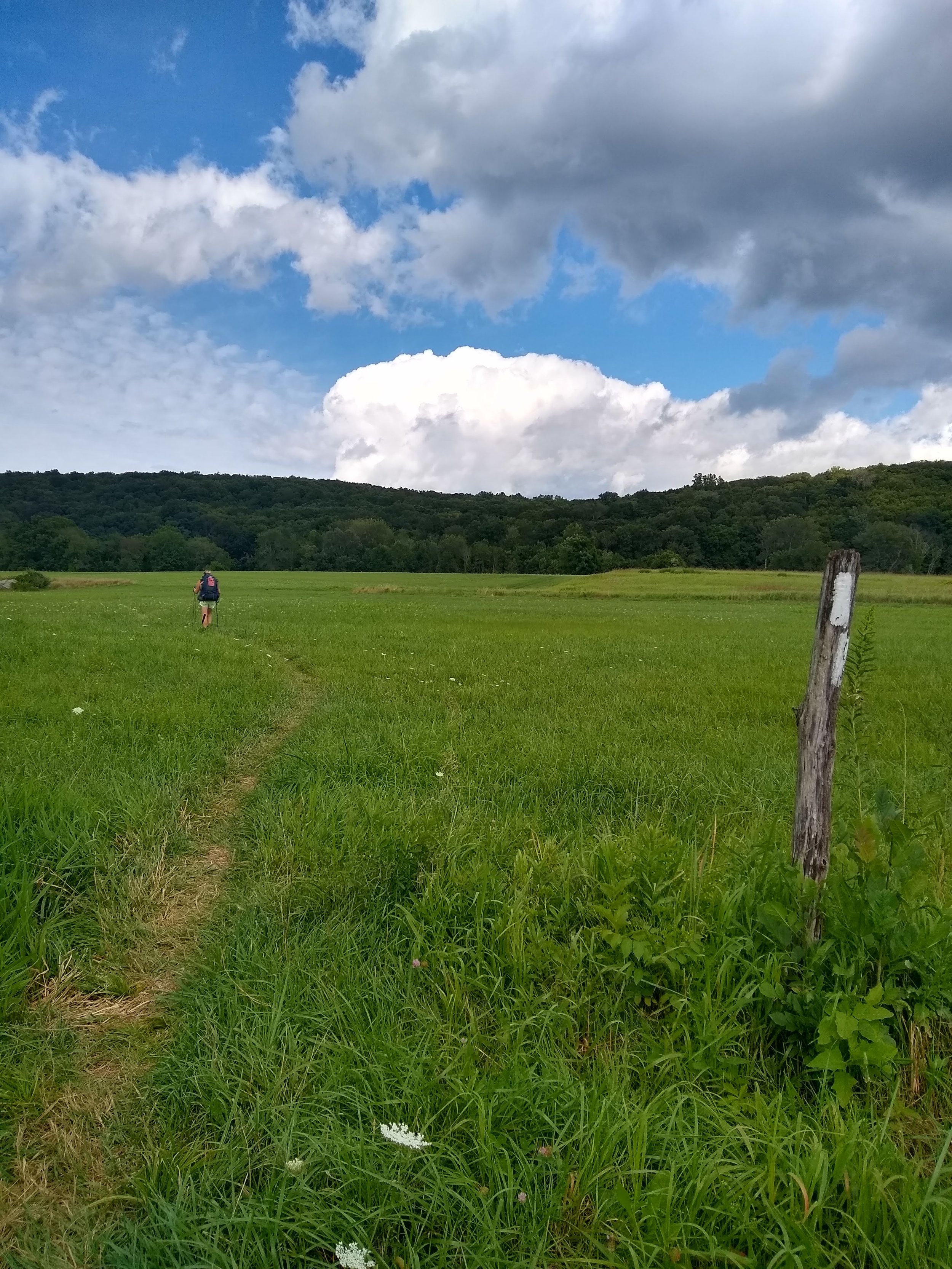
The way the trail stretches across open fields, like a single lost thread winding through a wind-tossed infinity.
In the shanty-architecture of trail-shelters, and the abandoned buildings we find scattered through the wilderness like the lost huts of nameless hermits forgotten by time.
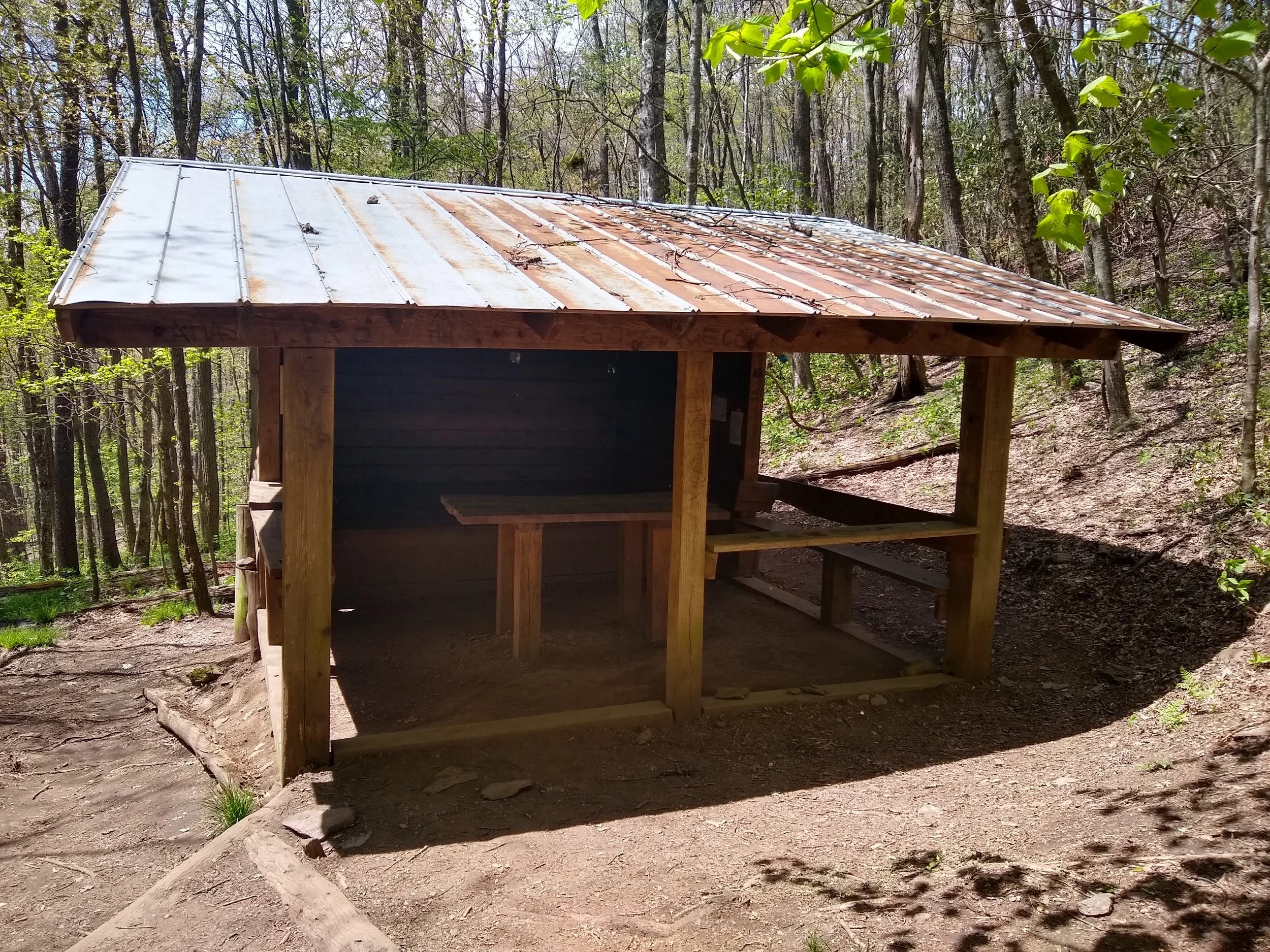
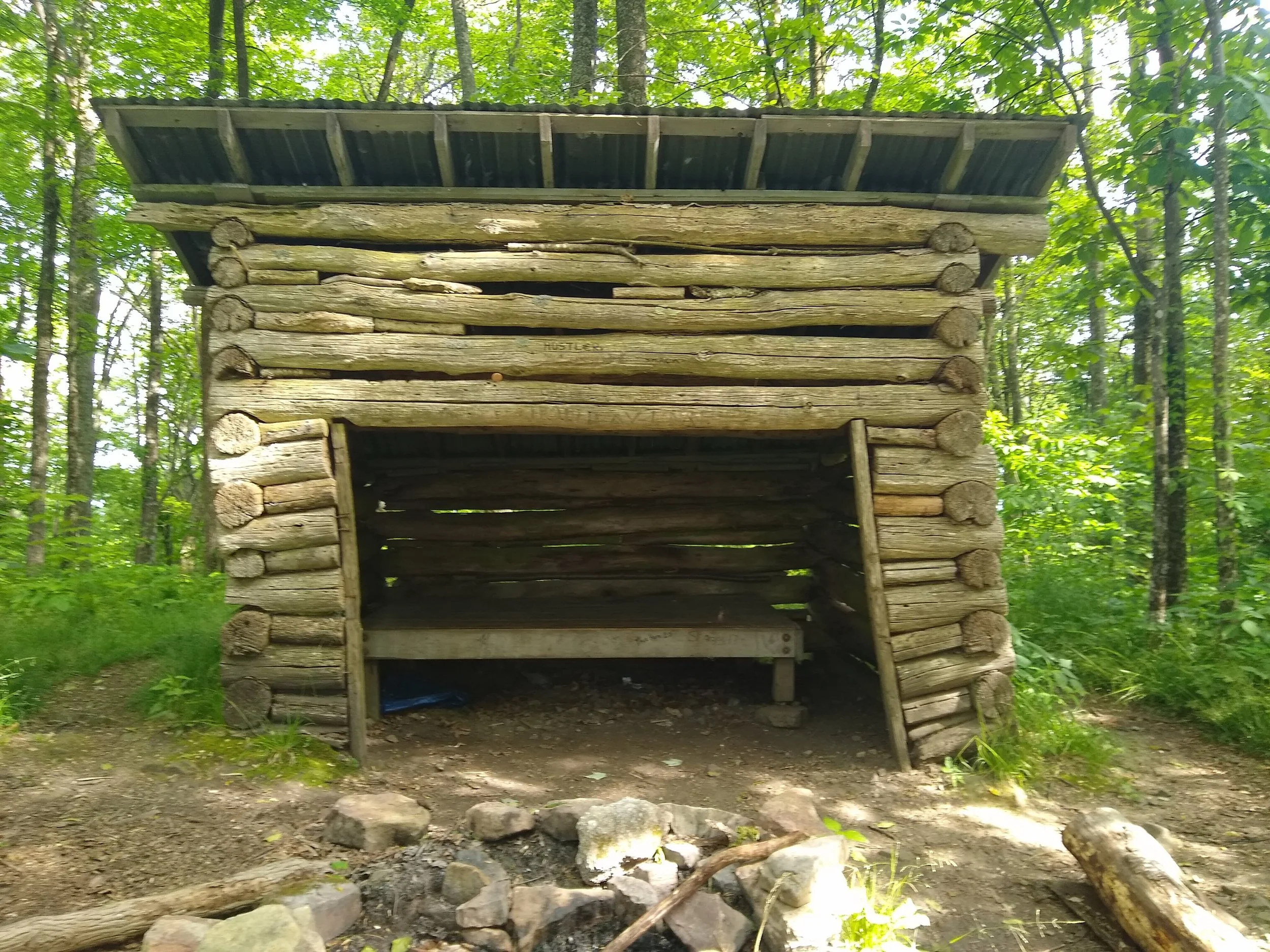
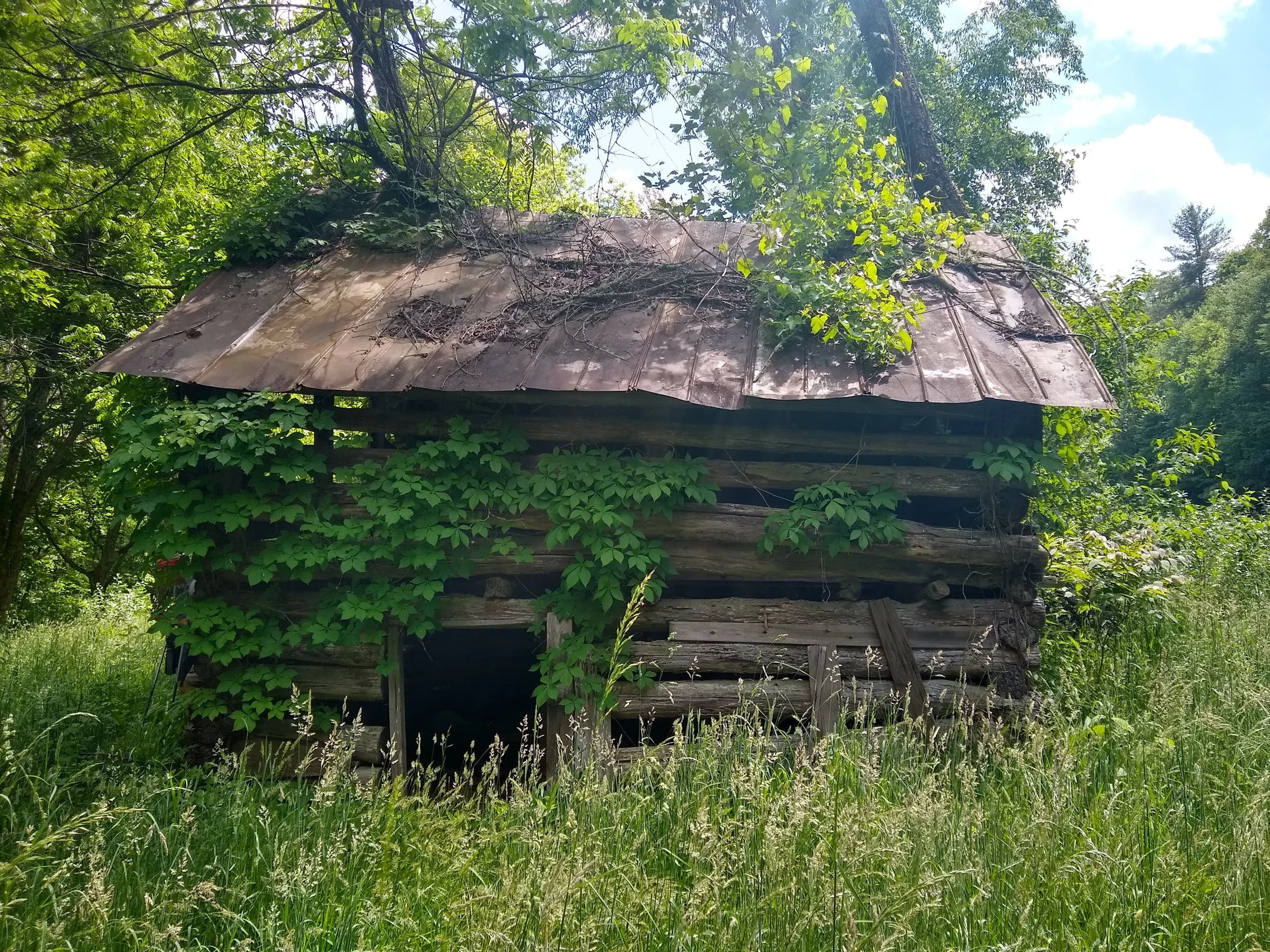
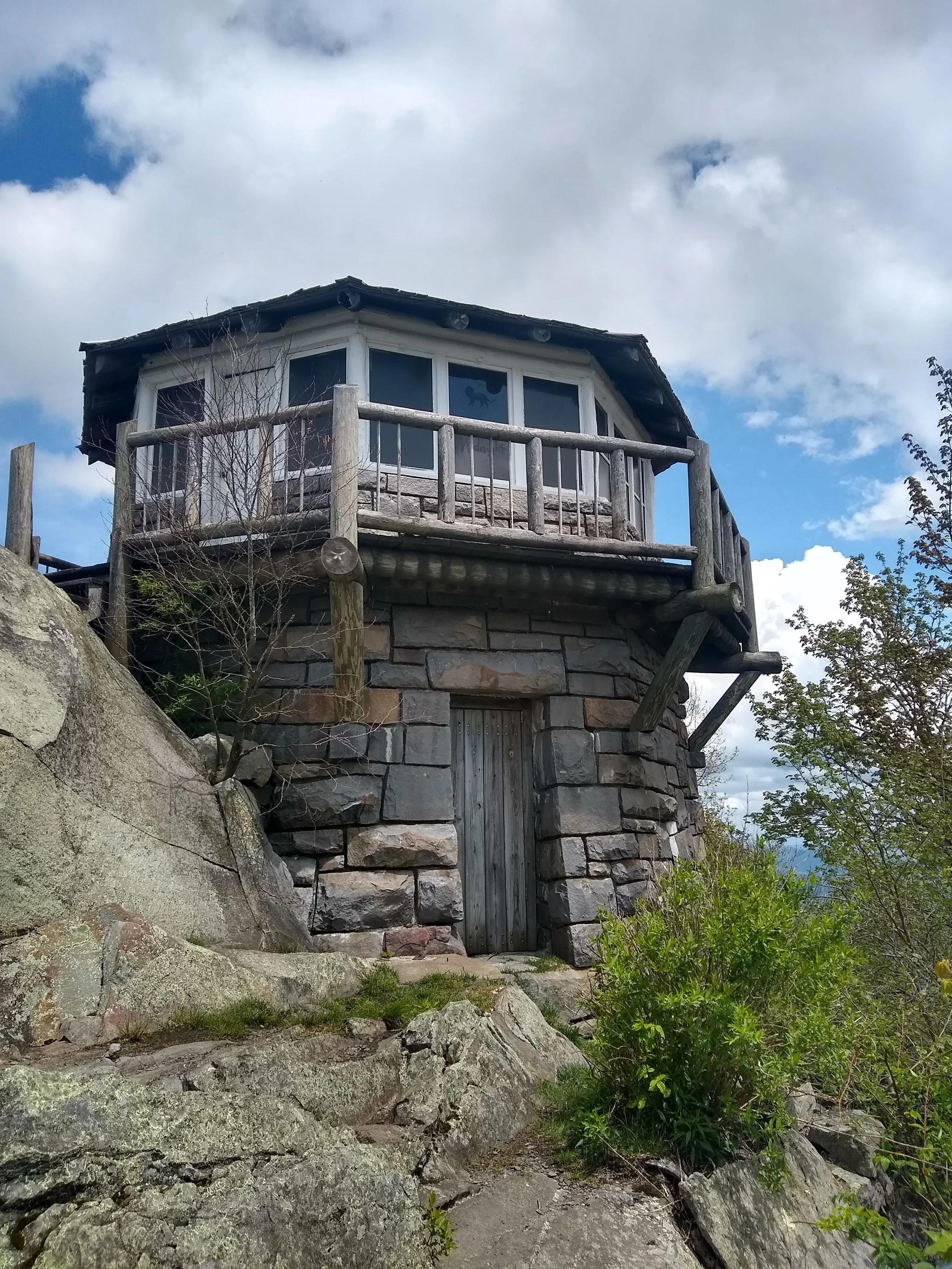
We begin to see it in the simple patterns formed of earth-tones and nature-shapes and time, the texture of the trail upon which our lives are balanced and which we know was well as a tightrope walker knows the line separating him from the chasm. Within these simple shapes and shades we find some unnamable quality of interconnectedness that exists only in organic, growing things.
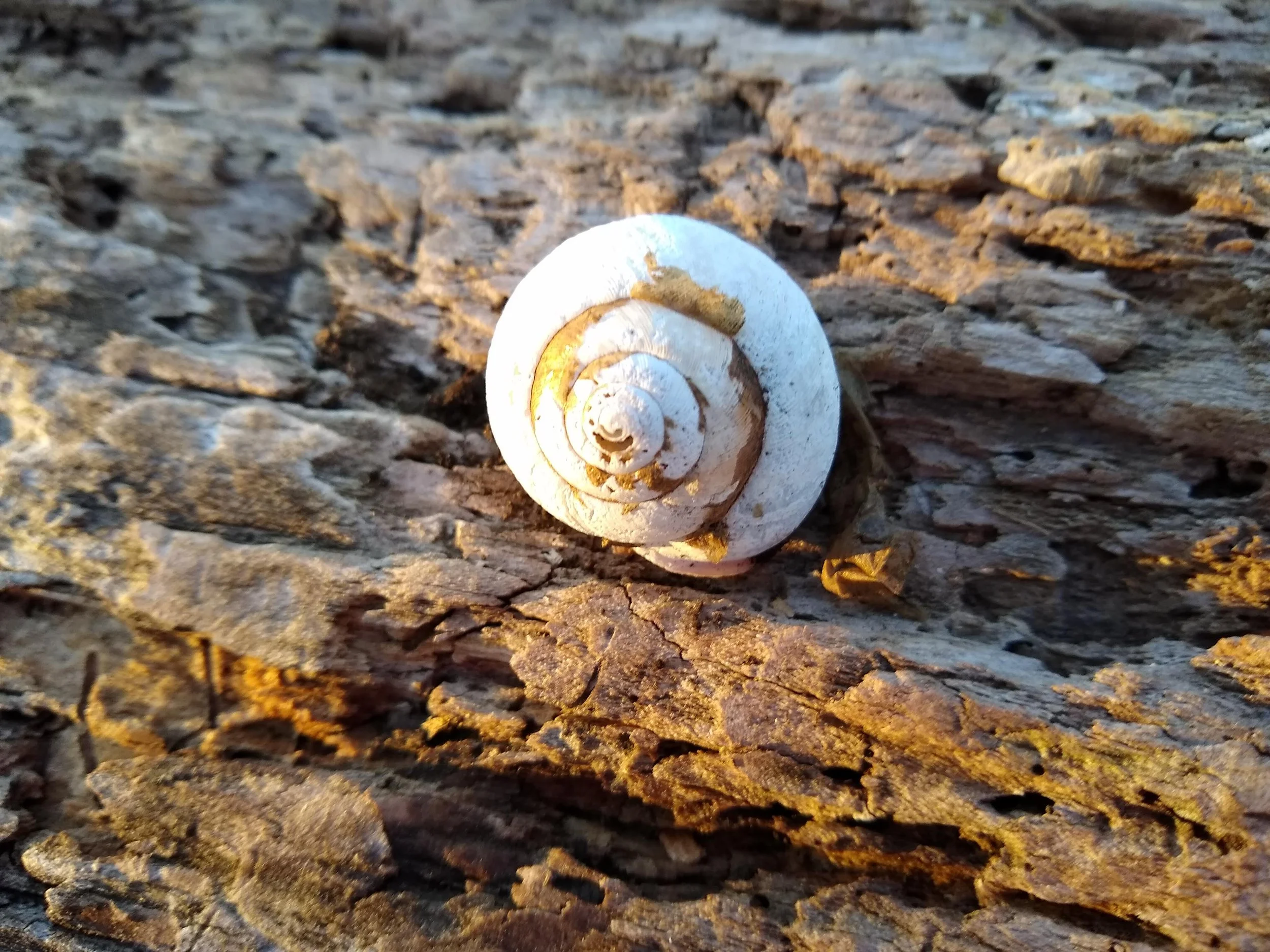
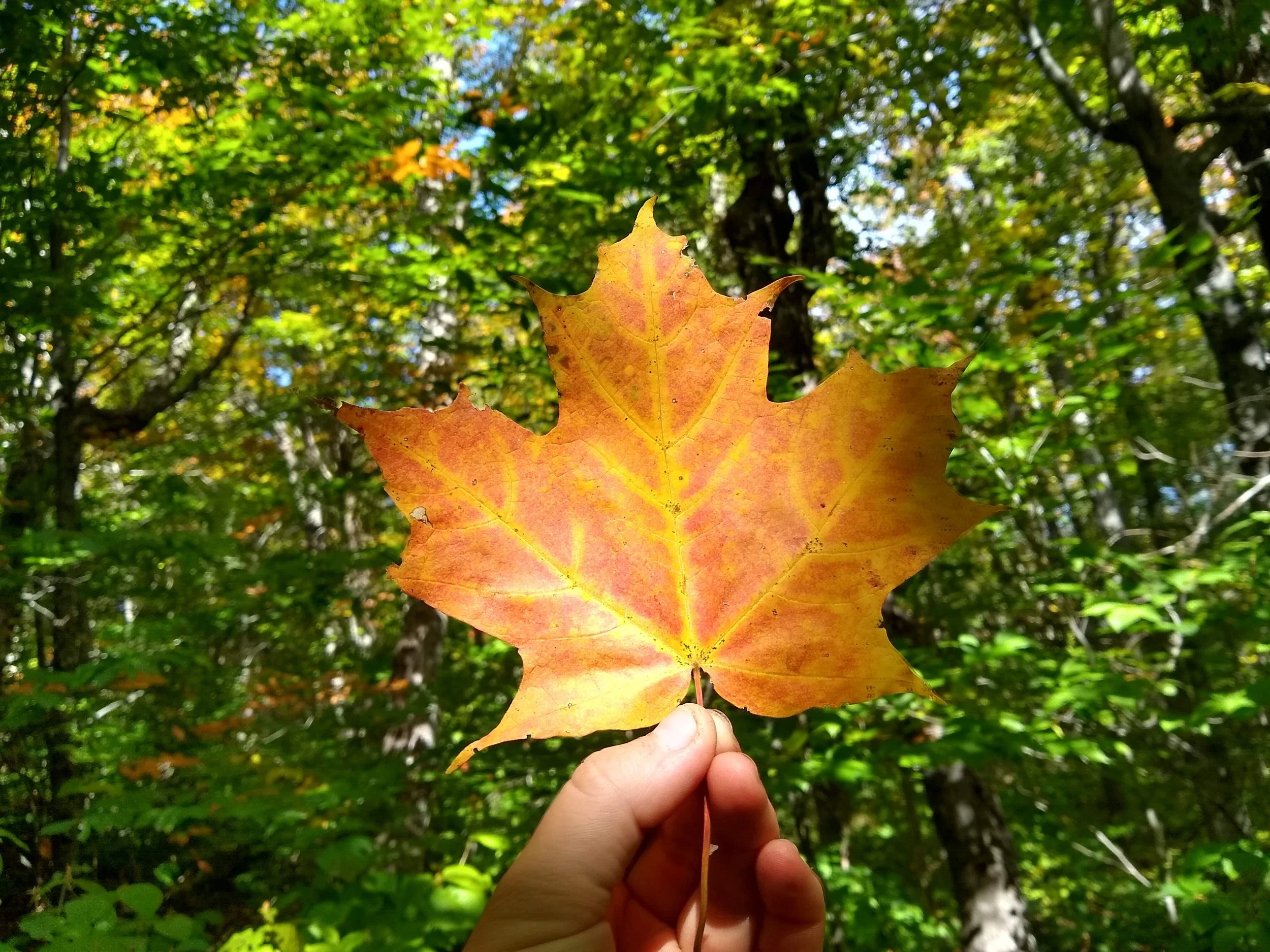
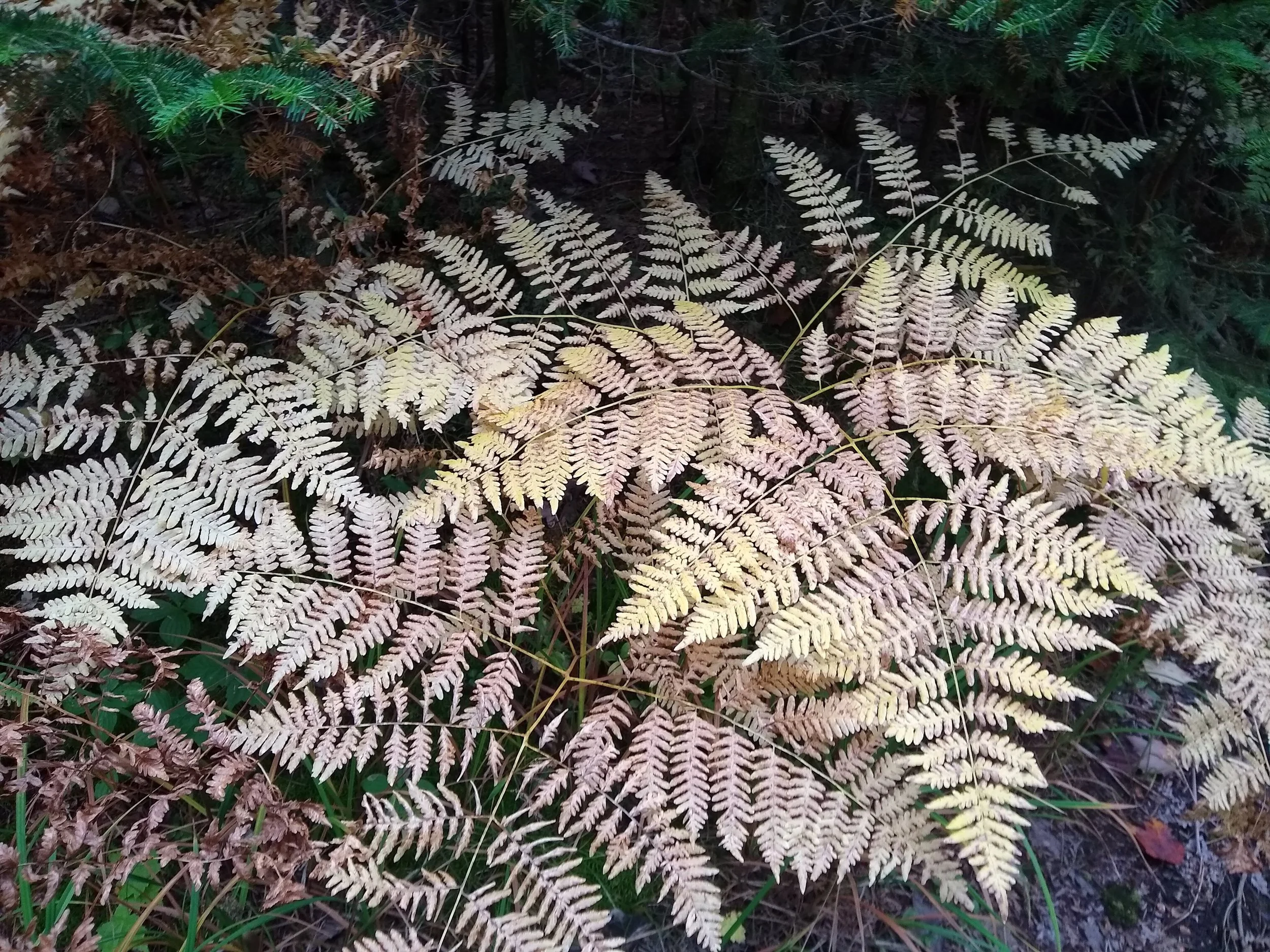
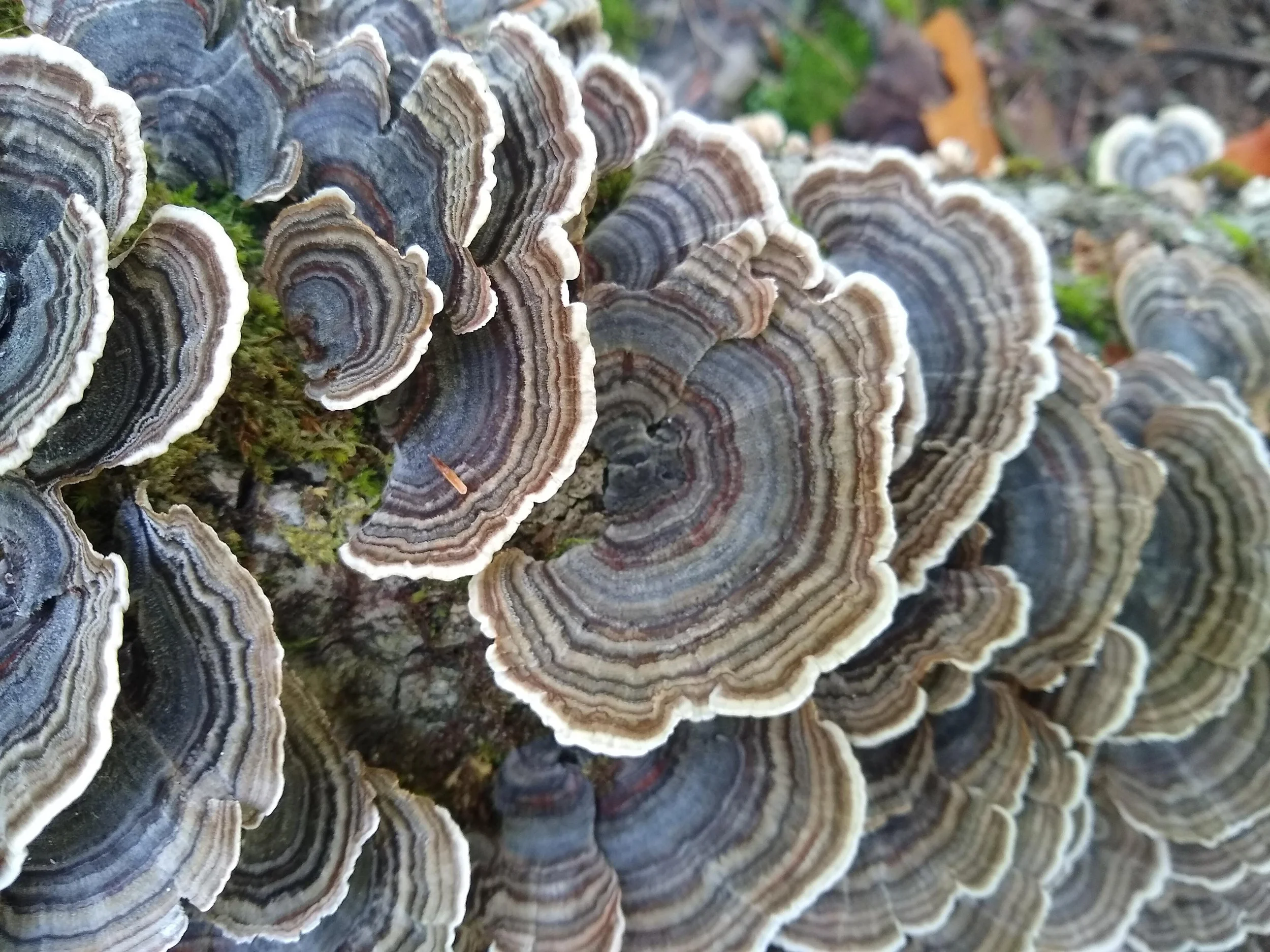
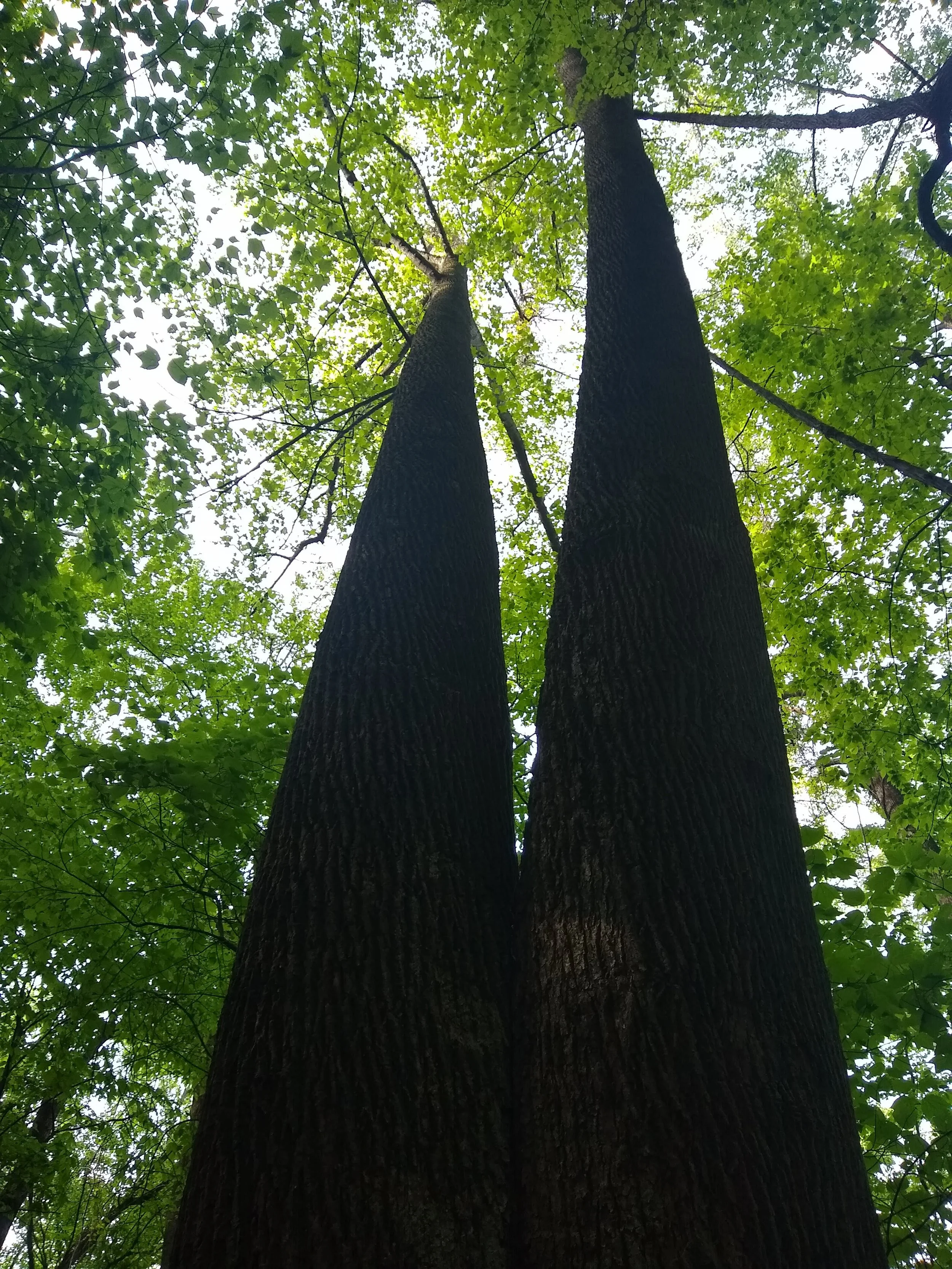
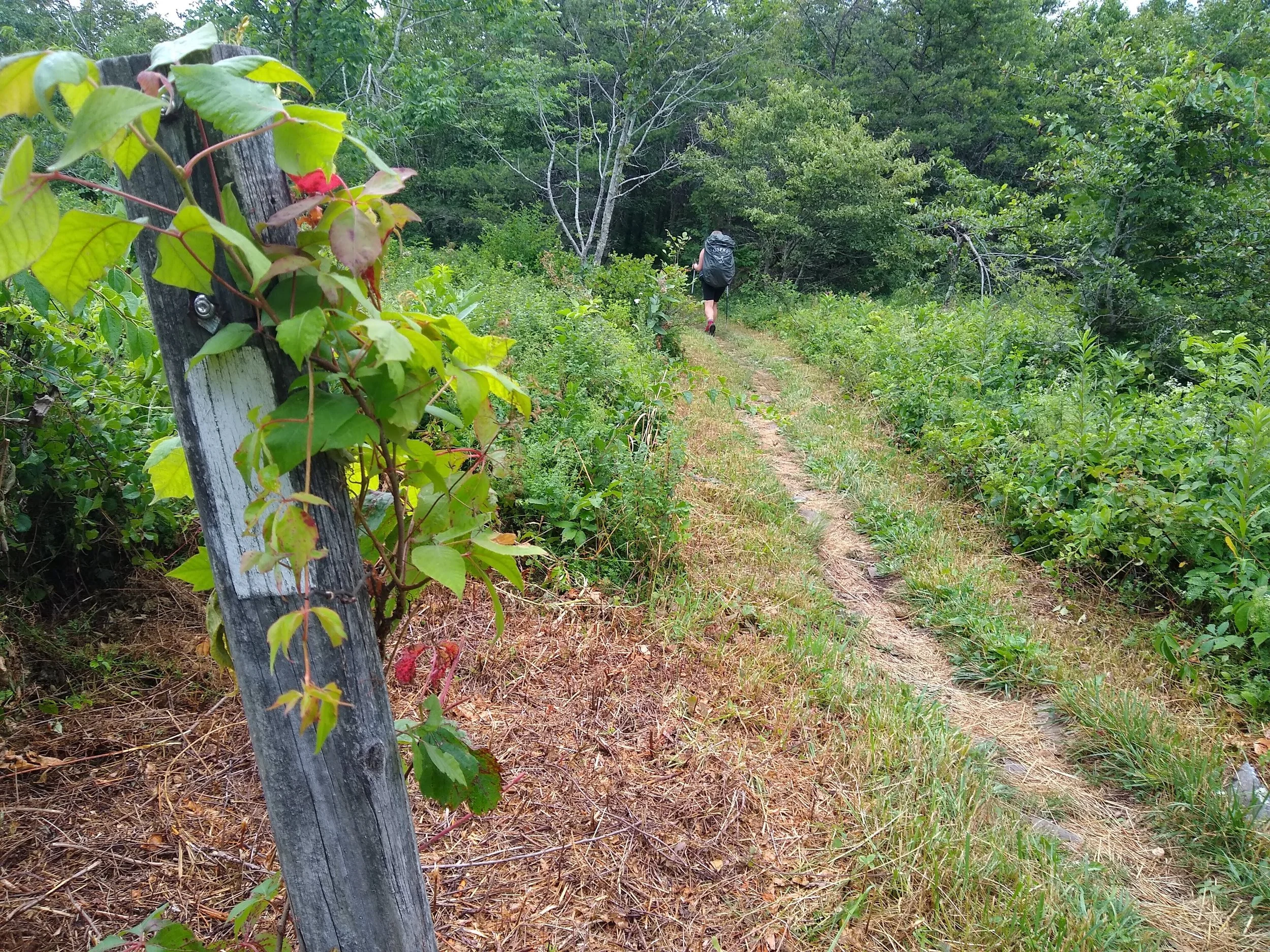
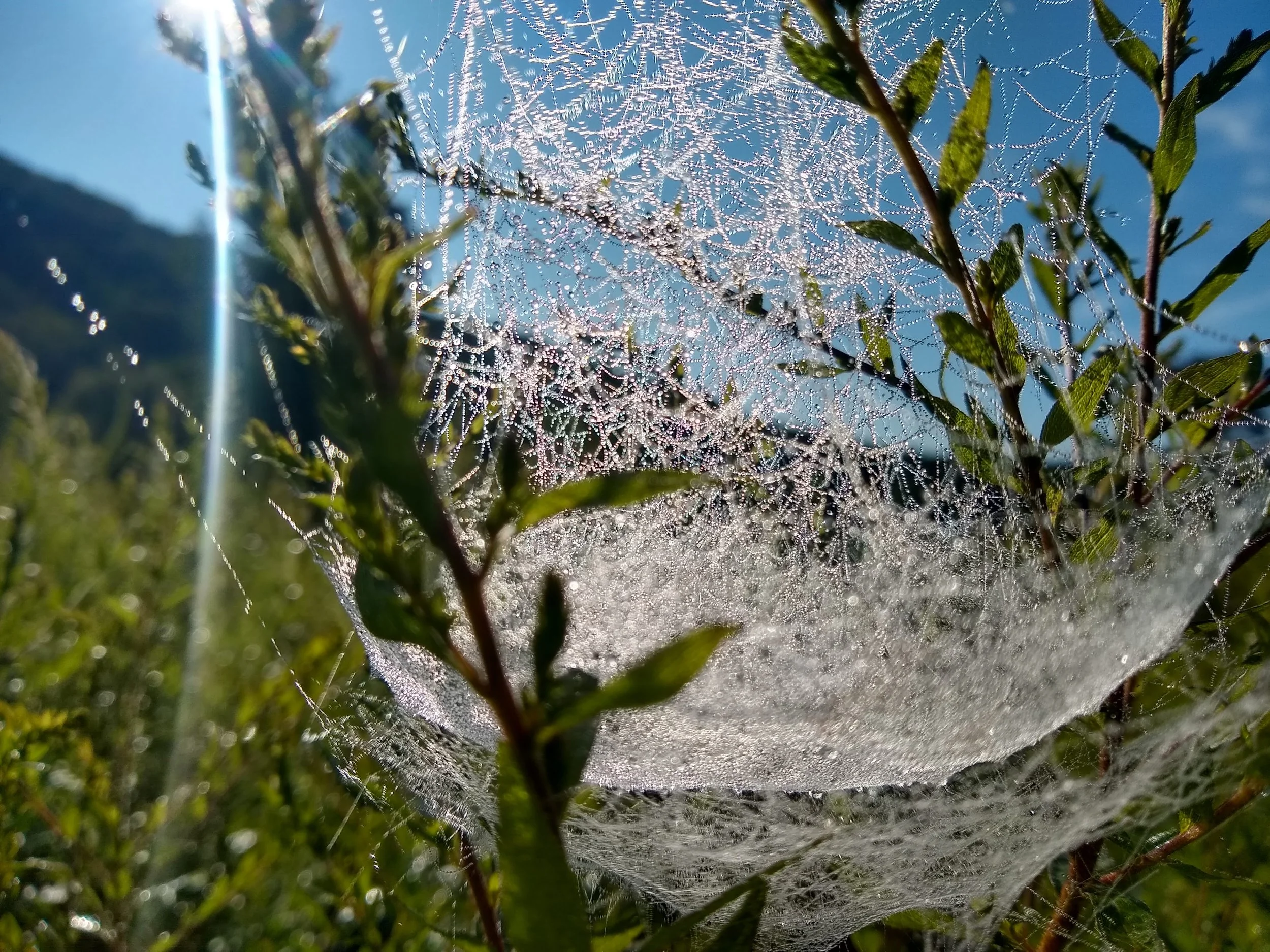
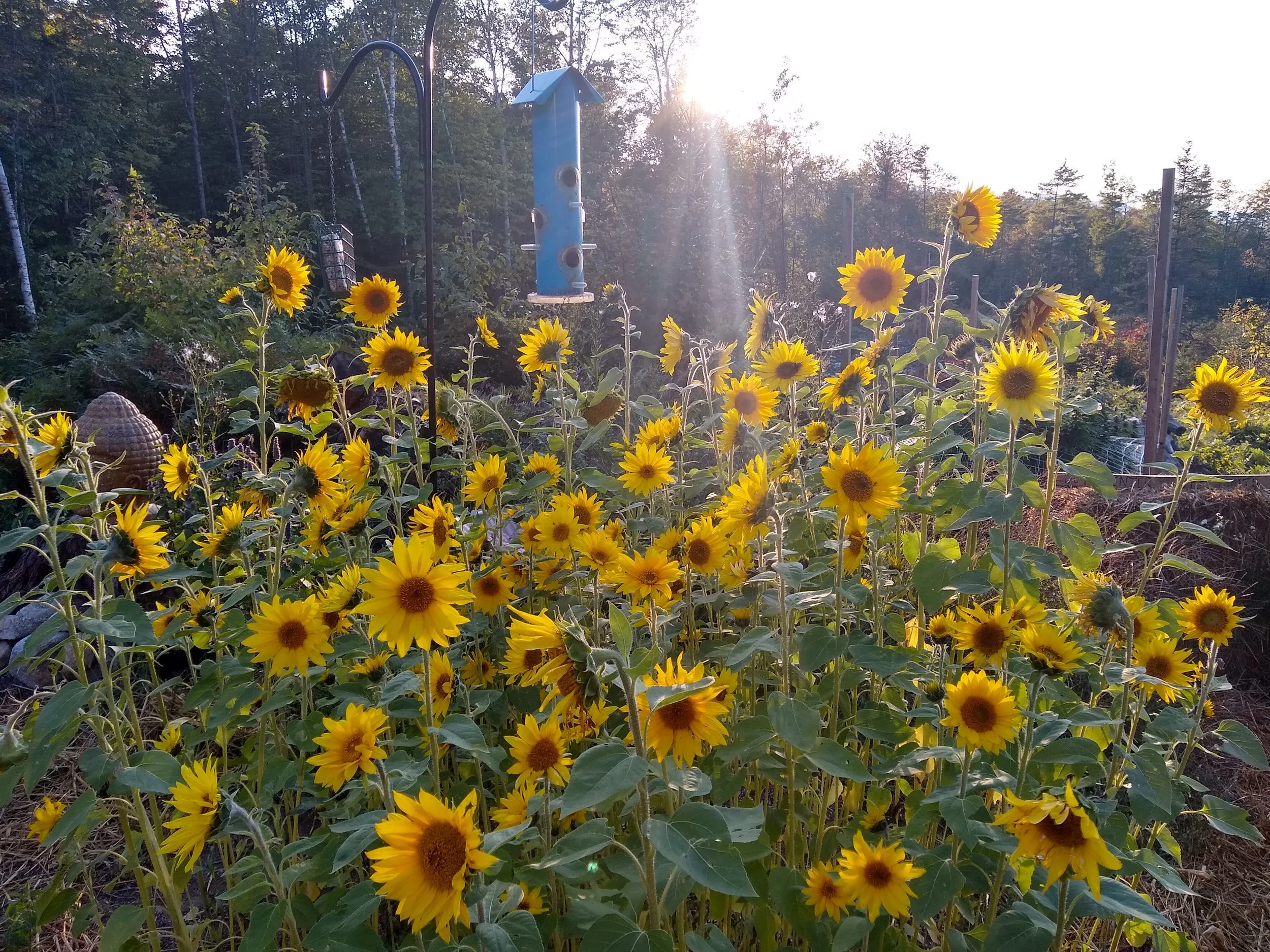
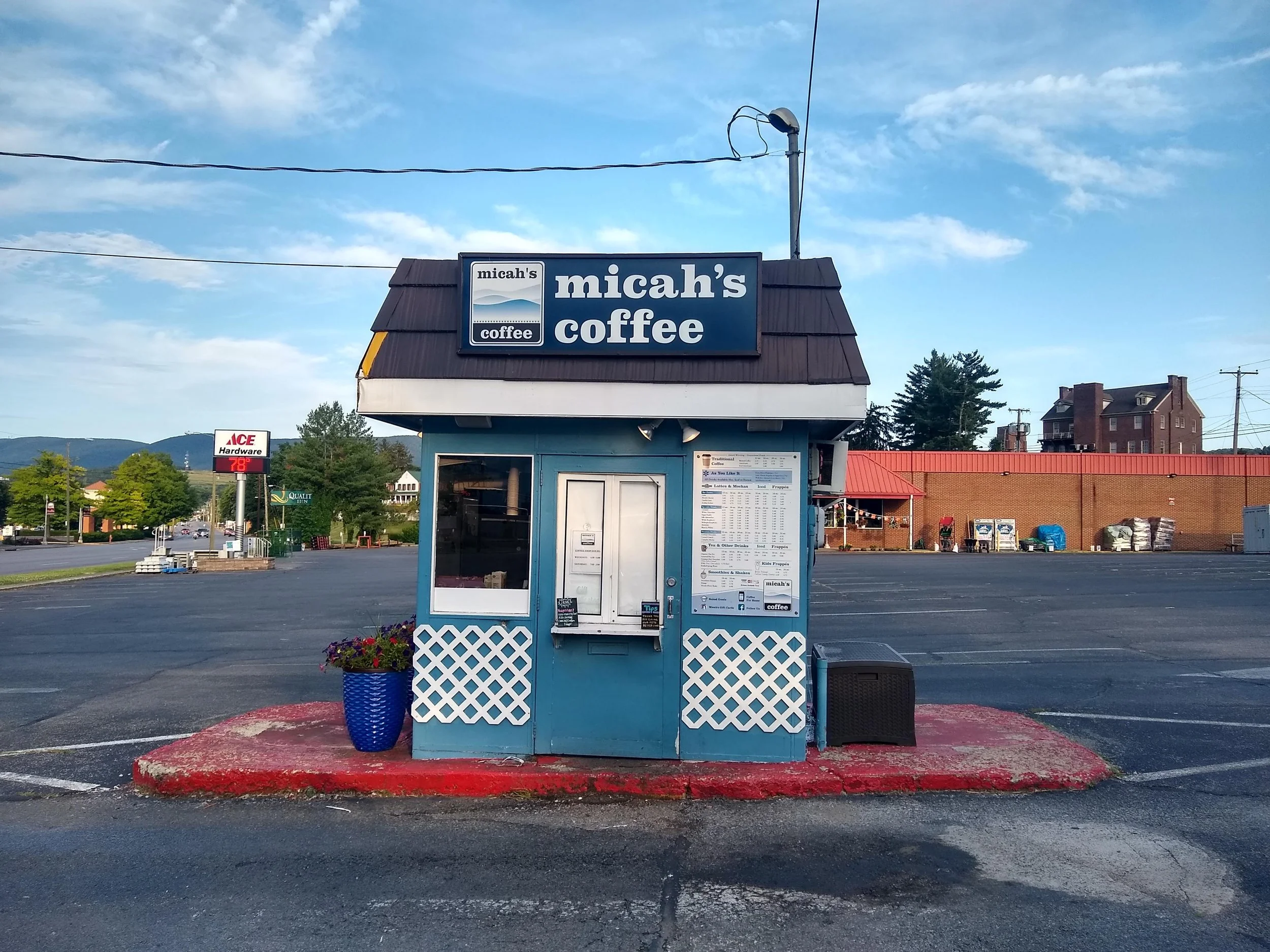
This asymmetrical elegance isn’t limited to the natural world, we find it as well in the small towns in which we stay. Old buildings, broken windows, strangely-slanted streets. Meals bought at gas-stations and eaten while sitting on the sidewalk. The towns have their own aesthetic of simple, time-worn beauty.

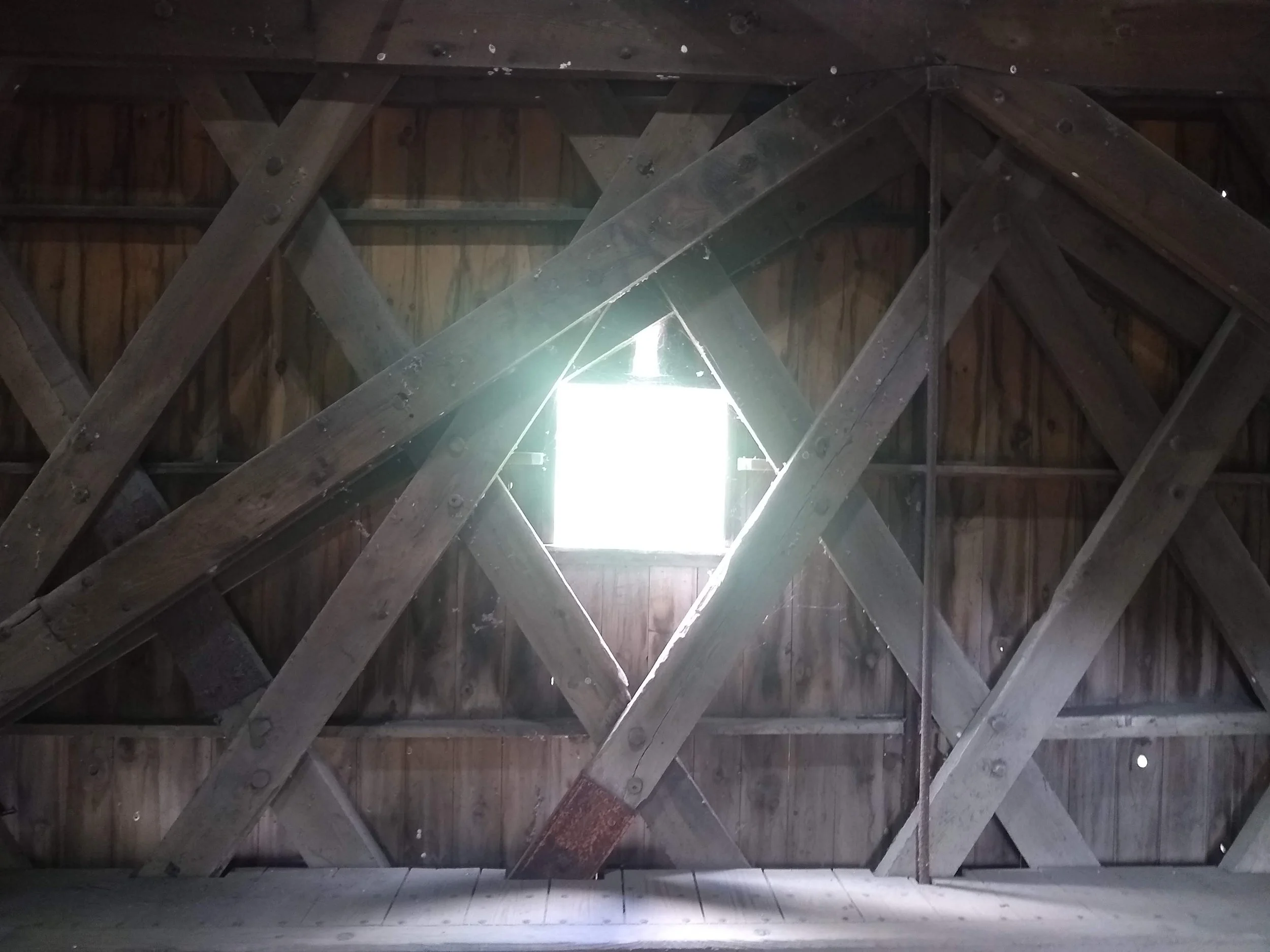
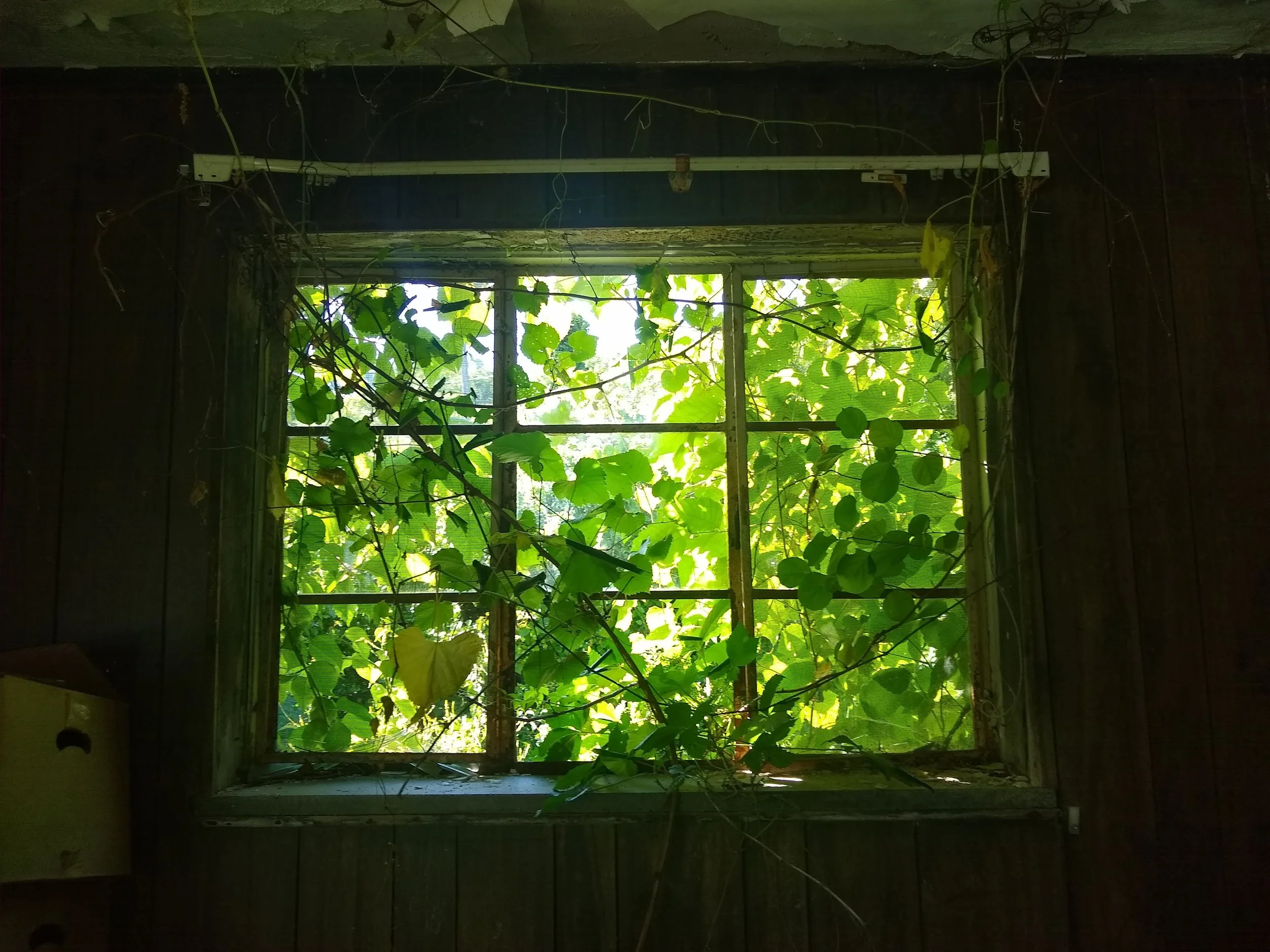

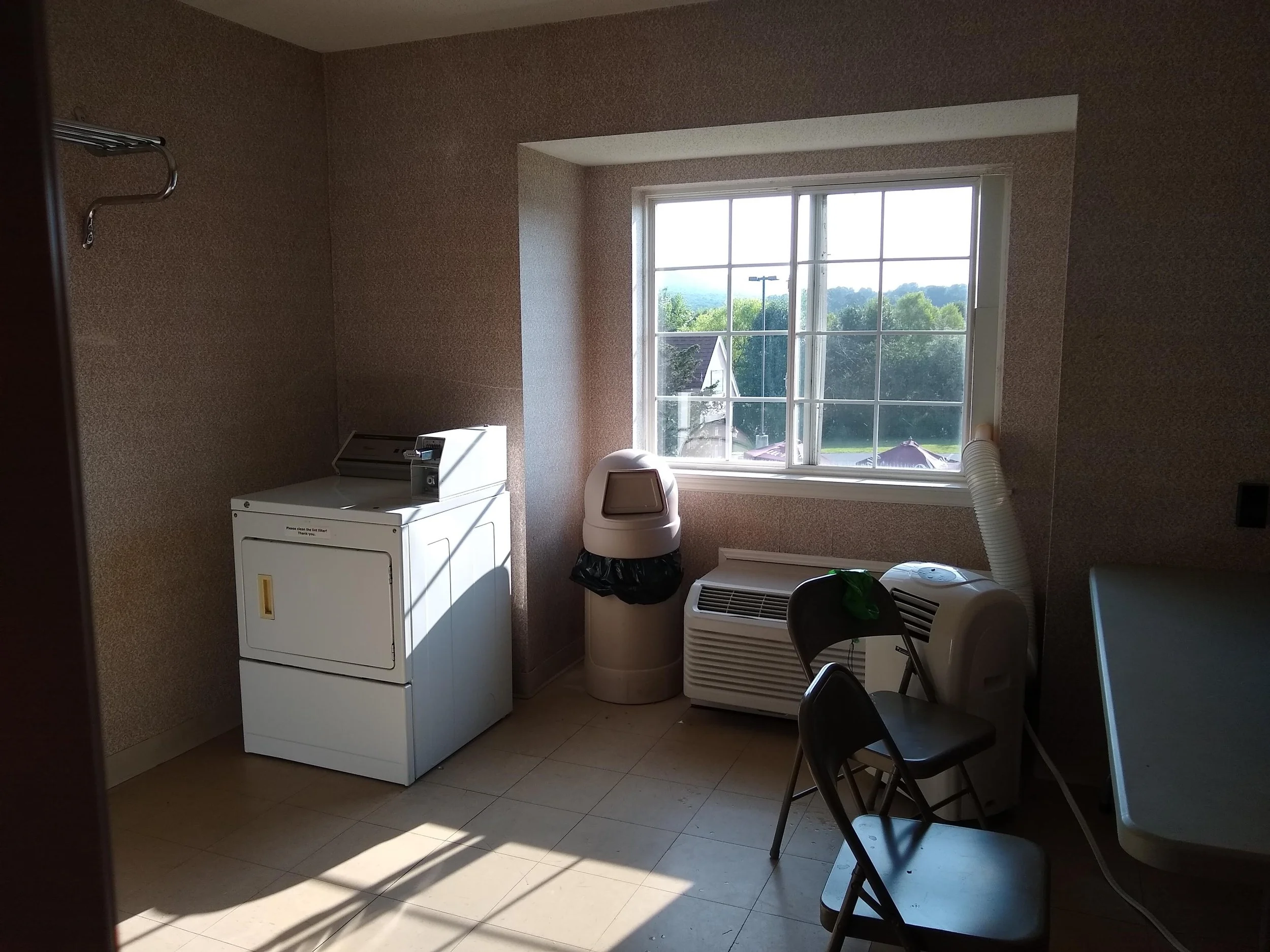
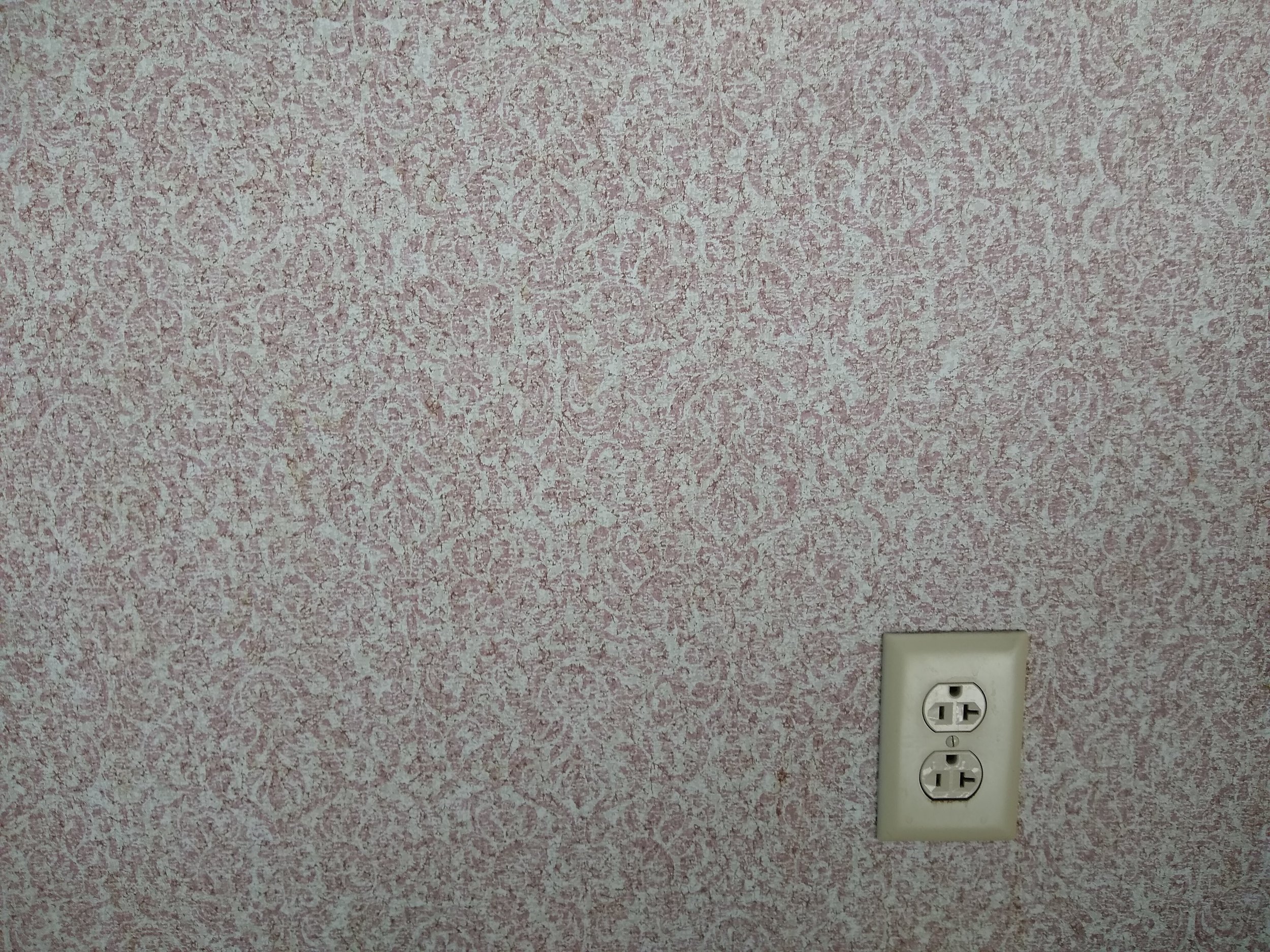
It is a lost beauty, a misplaced elegance, a quiet grace. It is there in the lonely peace of a hotel laundry-room in the middle of a weekday. A square of sunlight on the dirty floor, like a tiny area-rug. The wallpaper an intricate pattern of endless fleur-de-lis, like the lace of a threadbare curtain, faded and flowery and flowing without beginning or end. A color neither red nor pink but faded beyond either to some shade not easily named, not quite burgandy, or mauve. A splotchy patina of age-stains the color of spilled coffee.
This sense of inner harmony is what begins to guide our souls the same way the trail guides our feet. This mind-trail takes up everywhere and nowhere, in all directions and none. It is a path leading down to the edge of an endless ocean that lies at the center of all things. It is a way of learning how to see the simple beauty of existence, the depth of wonder present in every moment, which we become blind to due to the dull repetition of our daily lives.
Shibusa is the secret shape hidden within a sea of open space. It is the melody in quietness.
A silent wonder hidden below the surface of a busy world, waiting for us to come and find it.