momento mori
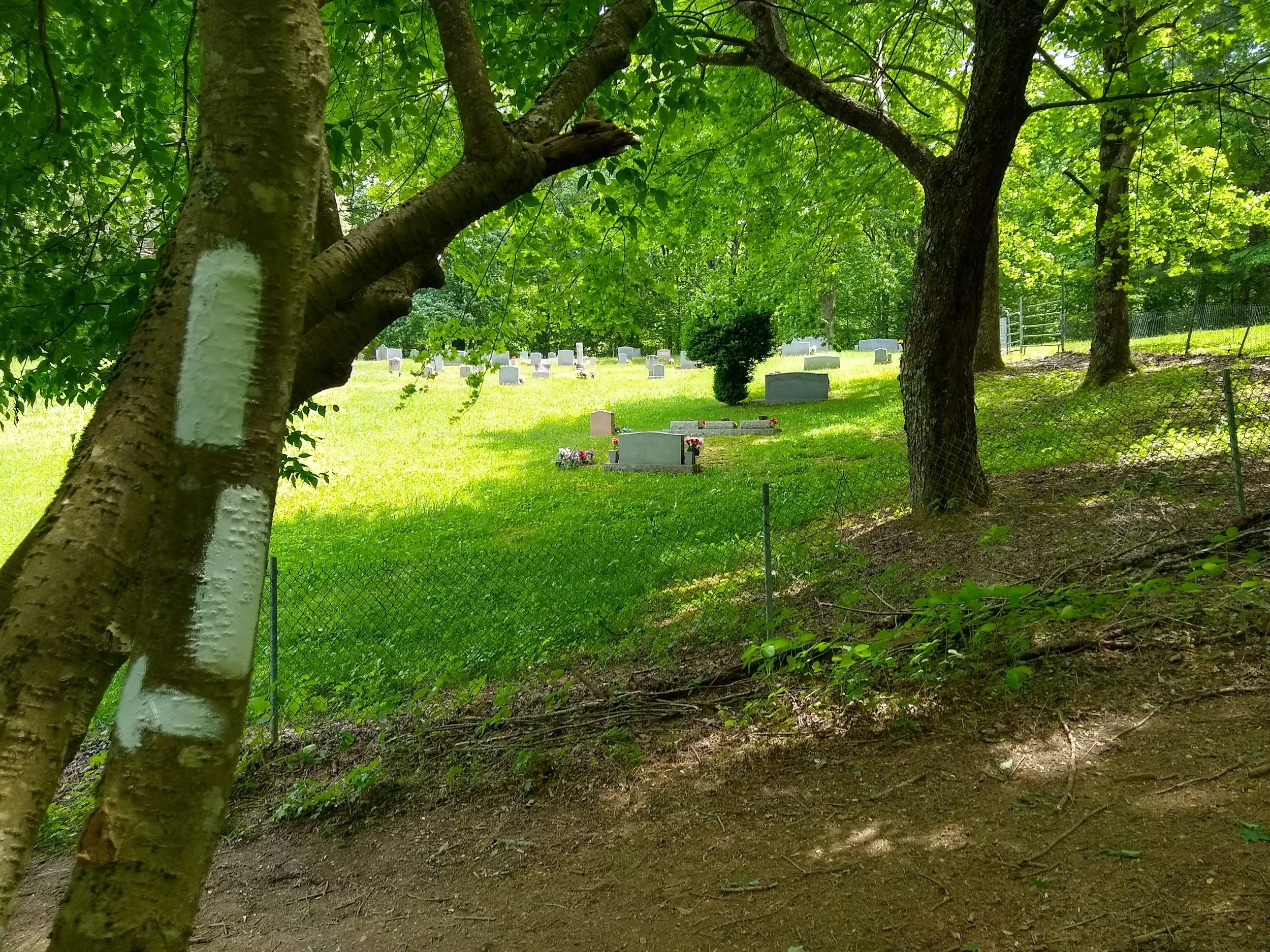
The Appalachian Trail is adorned with cemeteries, like a long necklace adorned with jewels. They are in most of the major states that hikers pass through, as well as many of the smaller ones. Some of these cemeteries are large, some are tiny. Some are gated and well-maintained and connected to thriving cities, while others are merely a collection of faded tombstones leaning together in an overgrown hollow of woodland through which the trail passes, mossy-edged and forgotten.
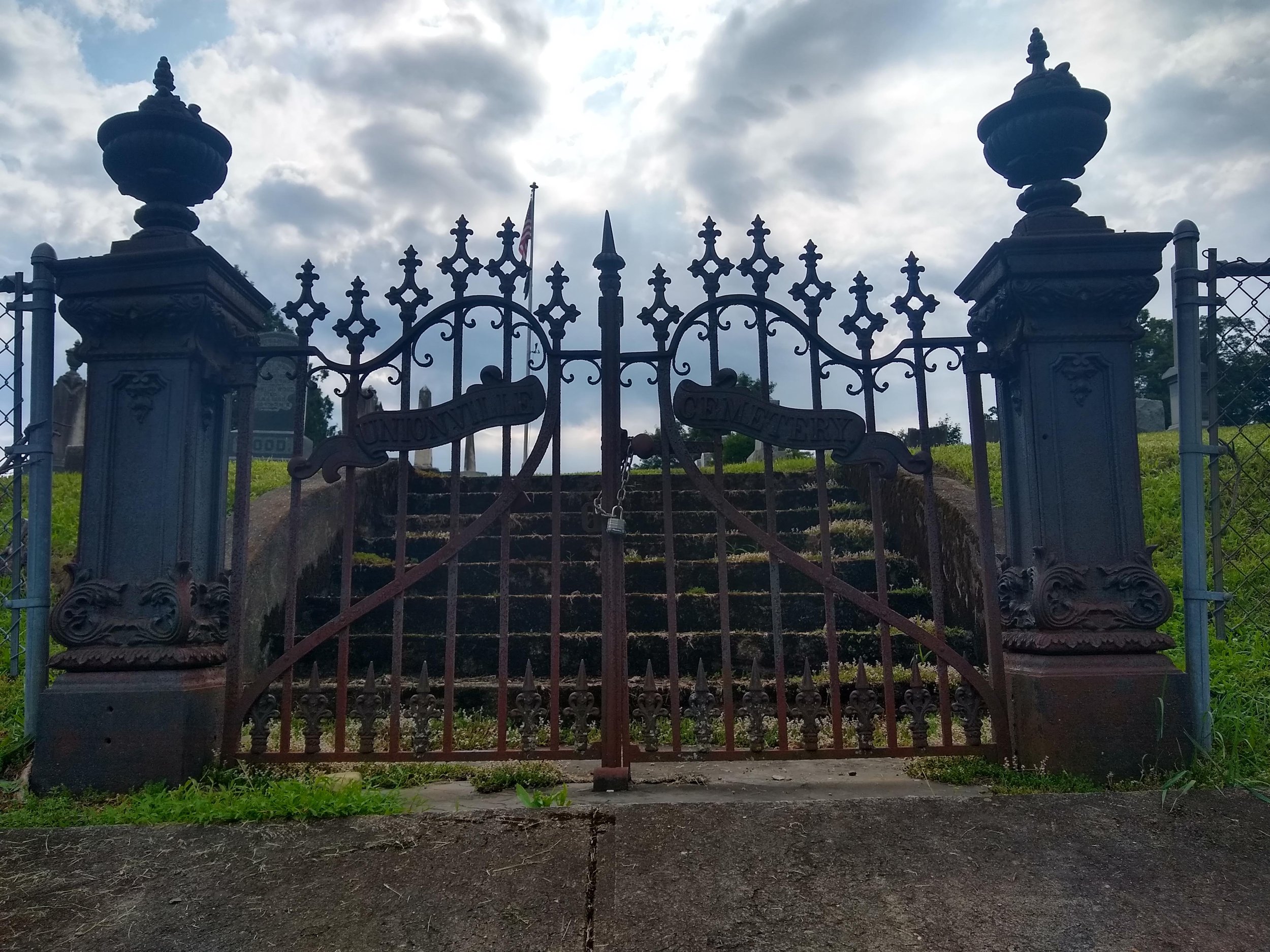
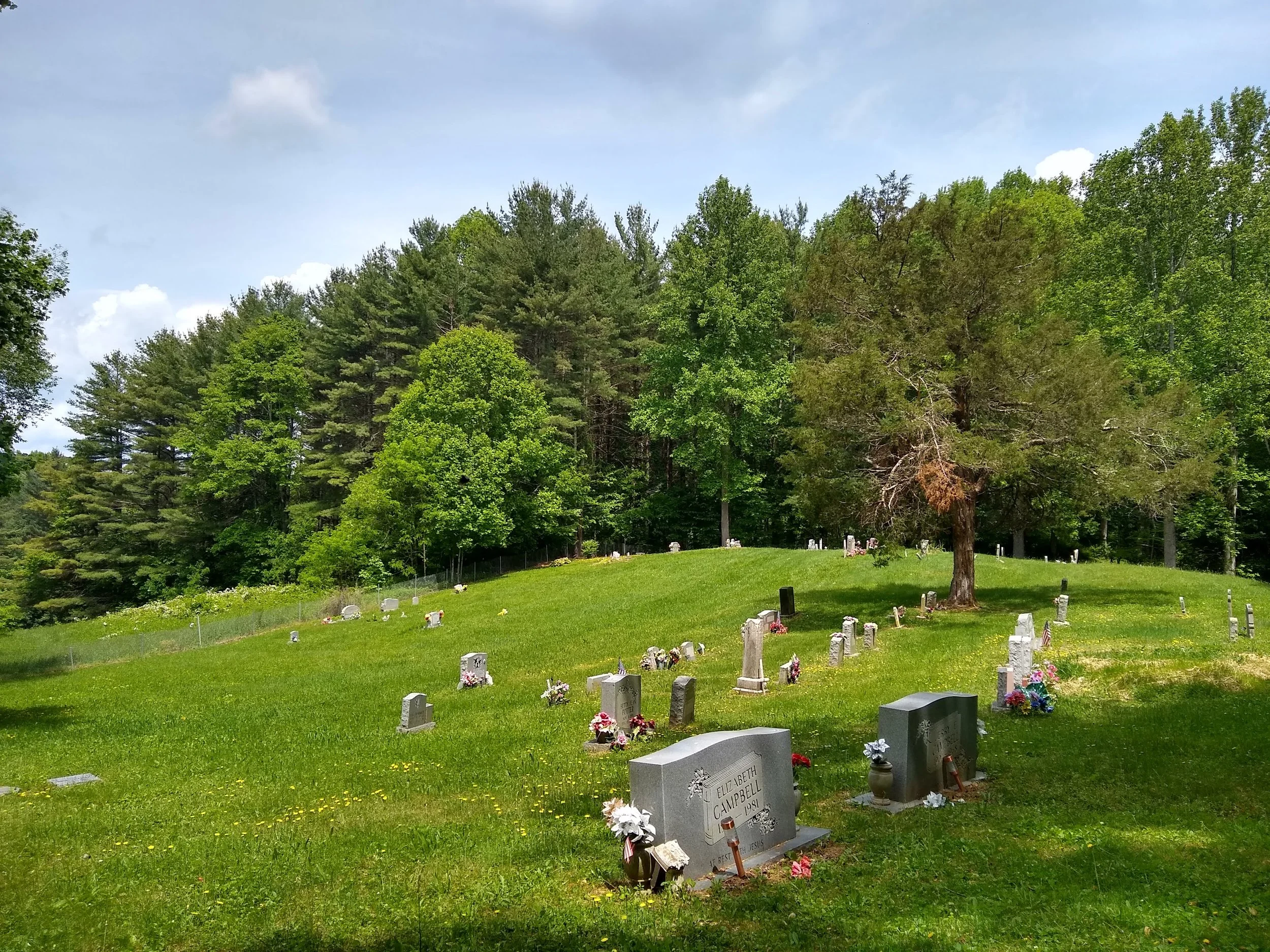
Every time I pass one of these cemeteries I take a moment to ponder them. Many questions emerge in my mind connected to these fields of grass and old stone. Is it only coincidence that they are such a prevalent part of the trail, or does their presence here have deeper meaning? Are they another manifestation of unconscious design, a secret message meant for the thru-hiker to decode through meditation? If so, what is the message?
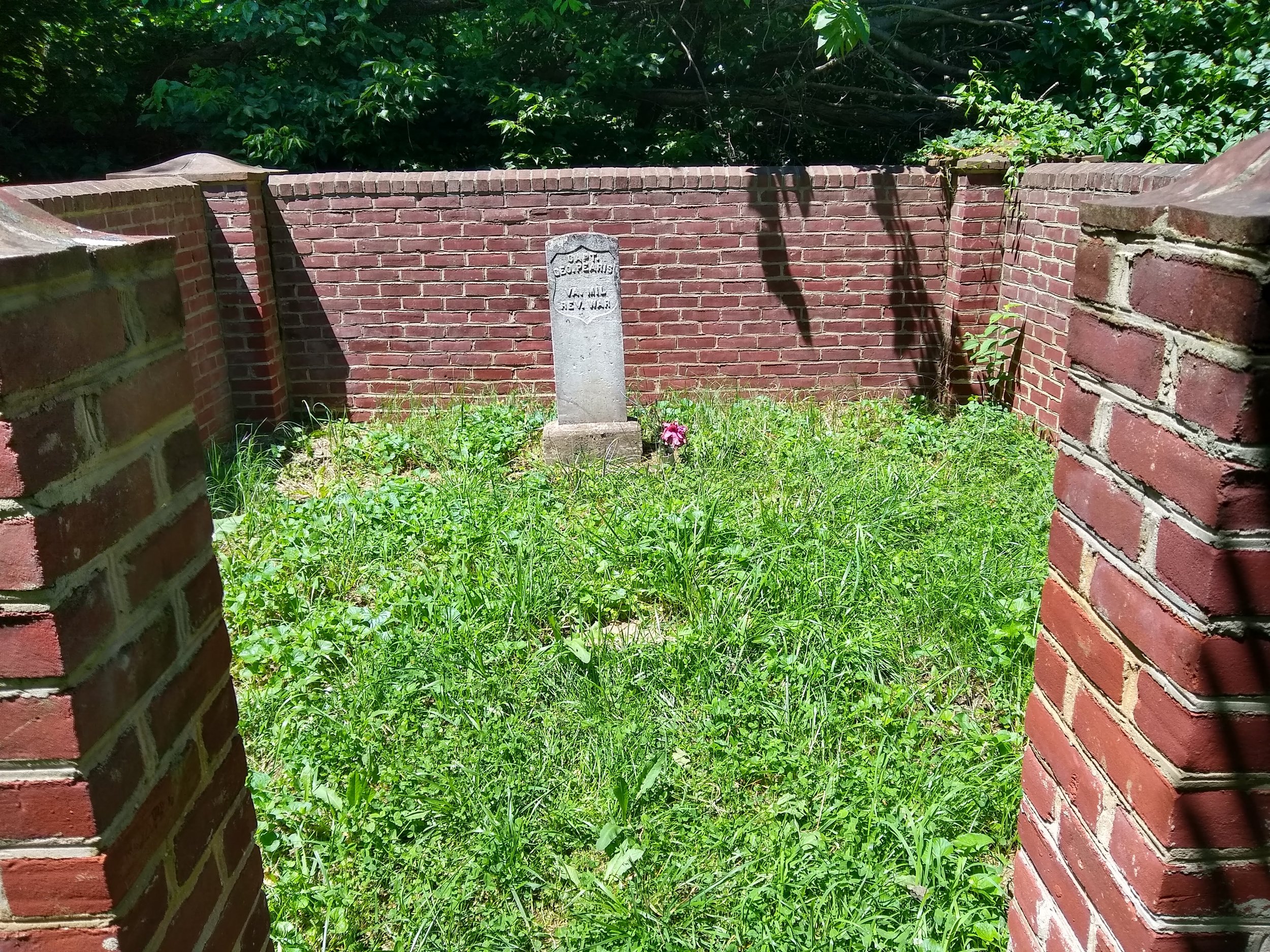
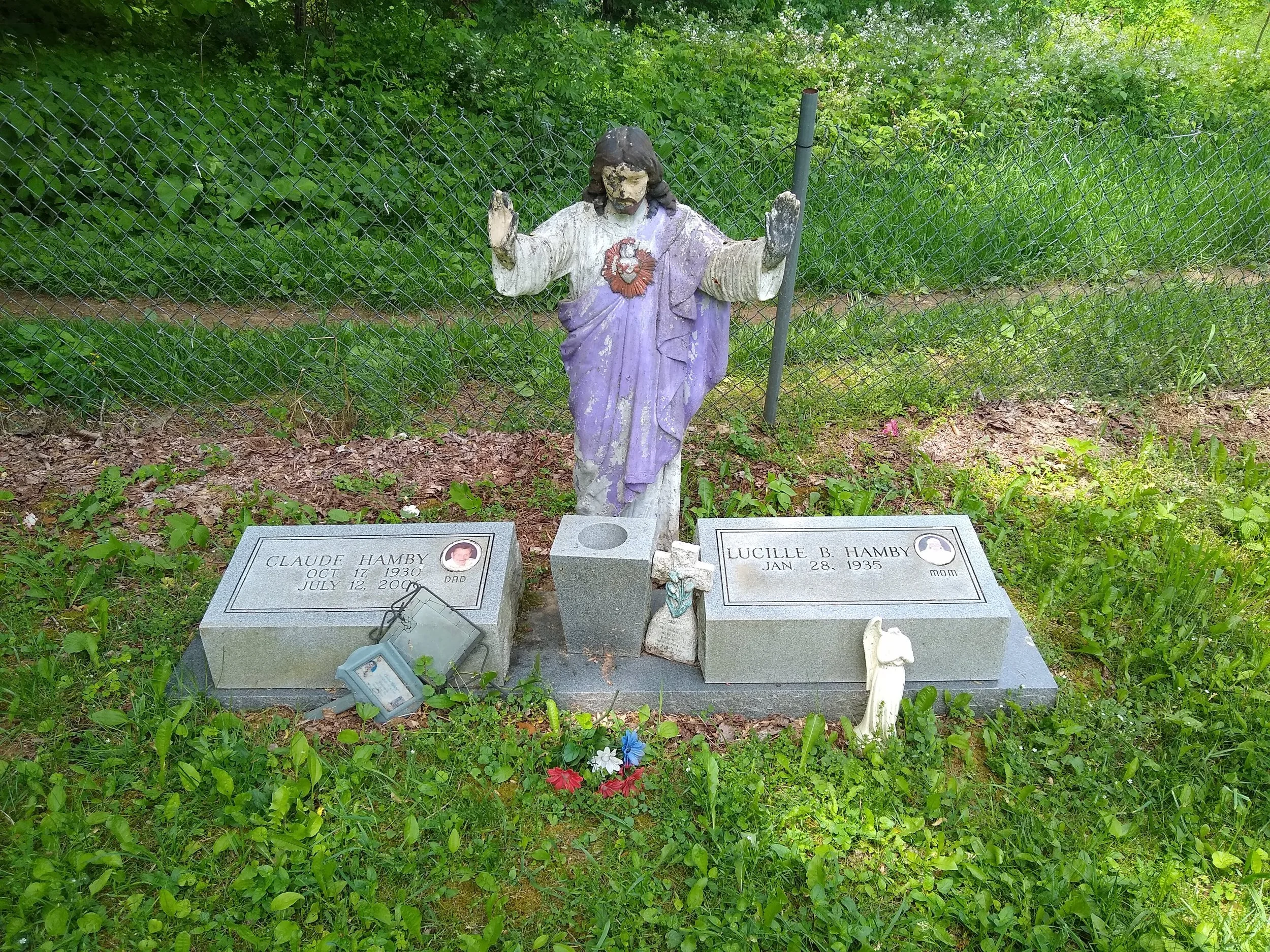
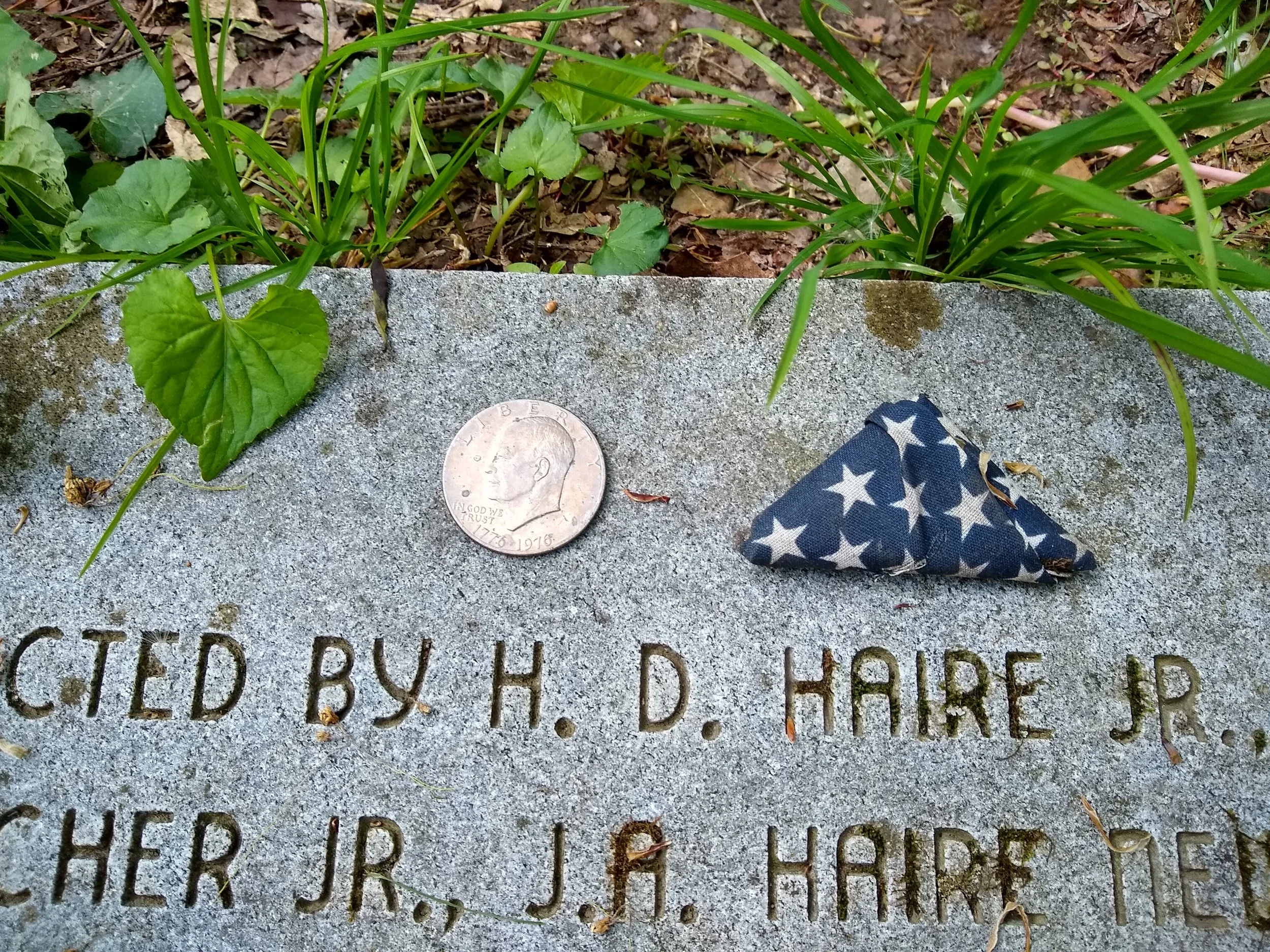
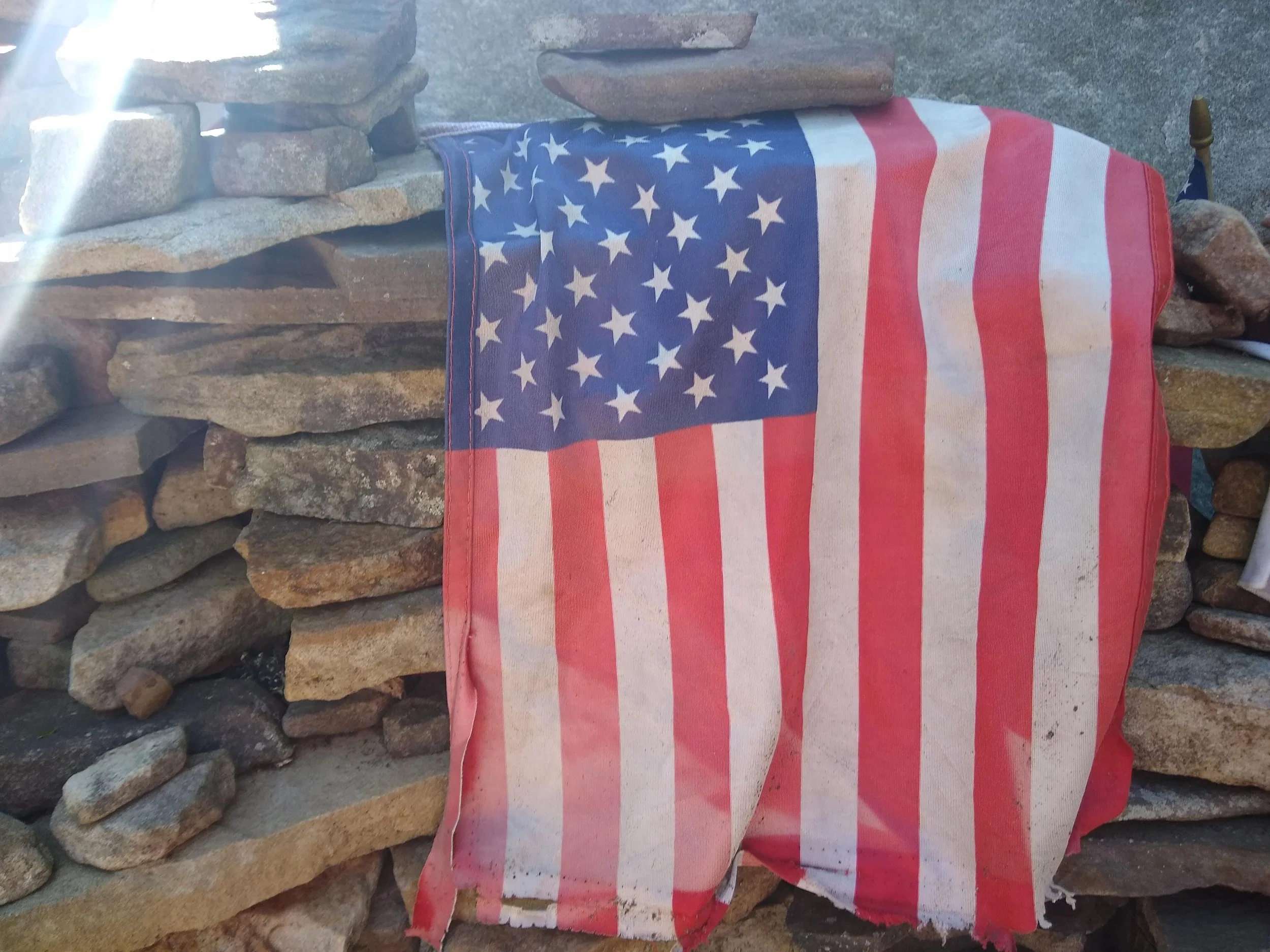
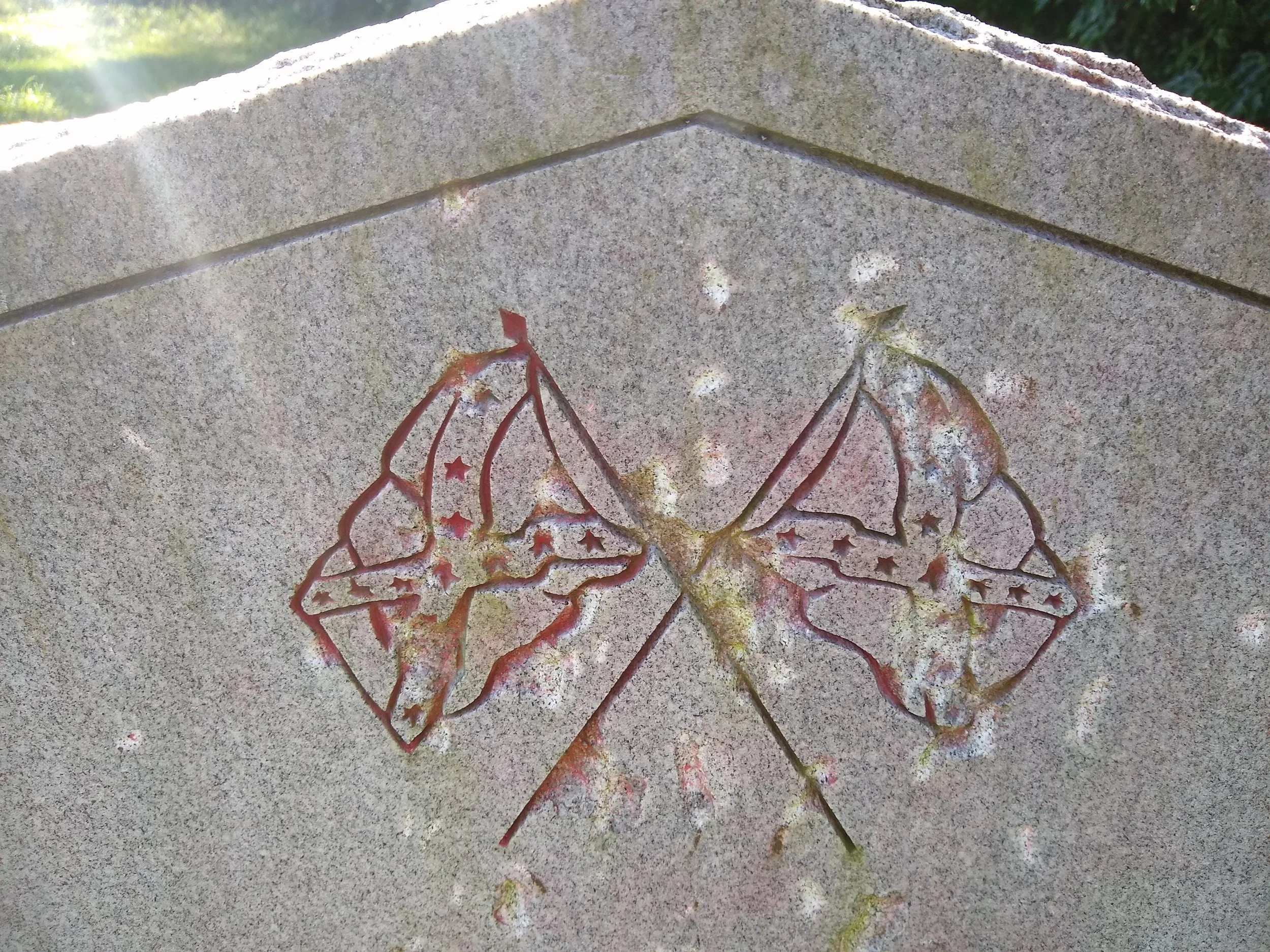
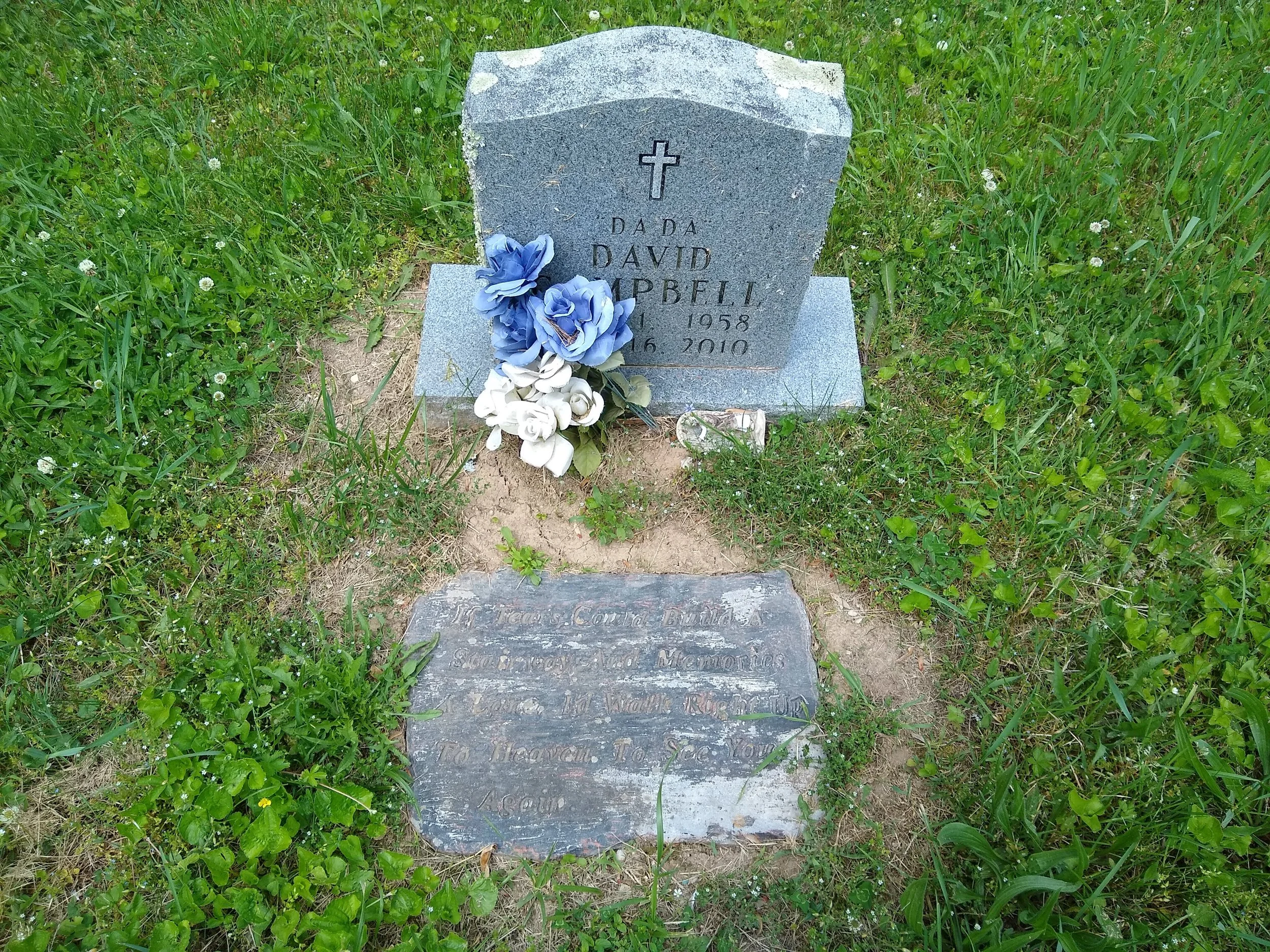

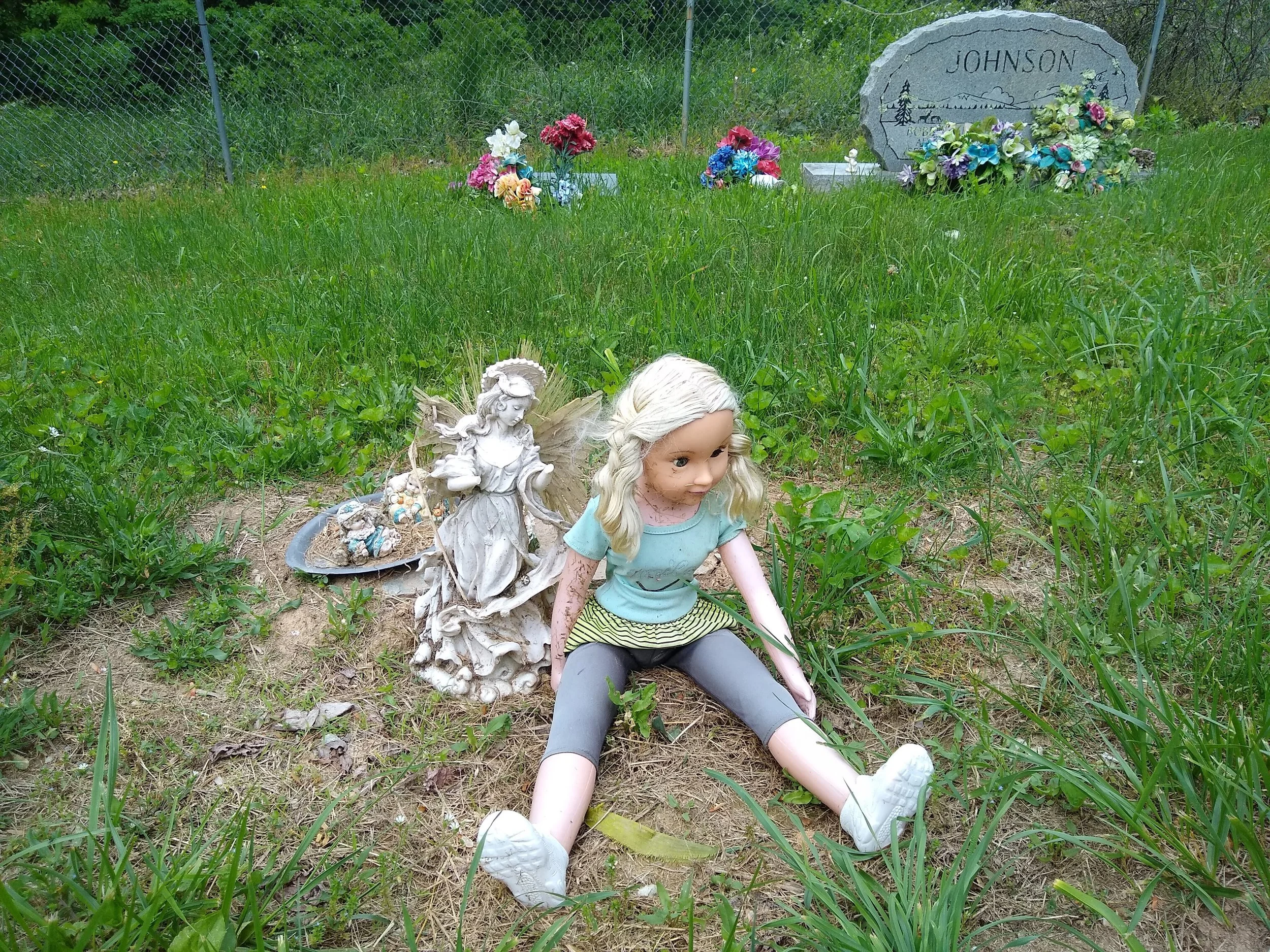
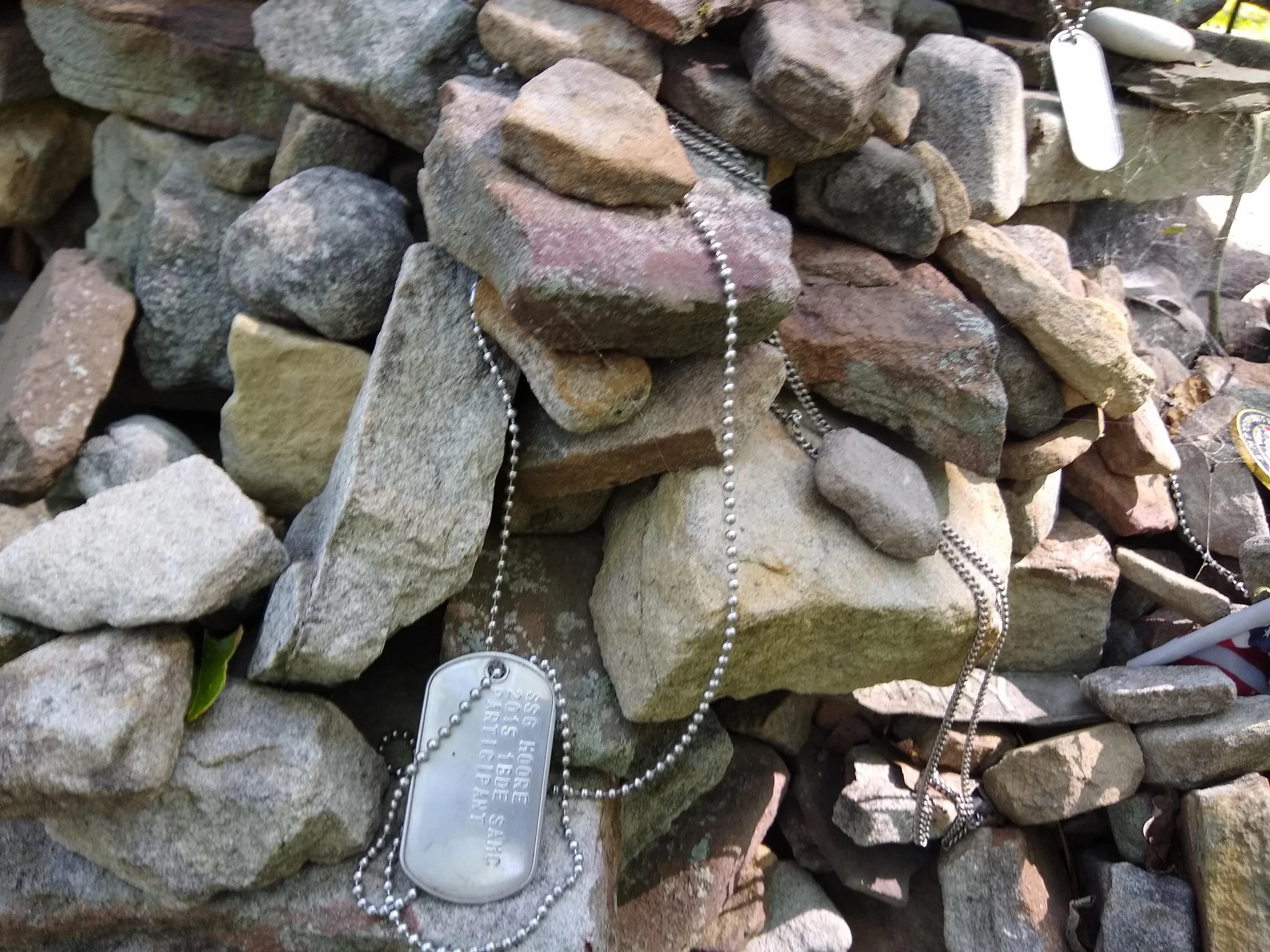
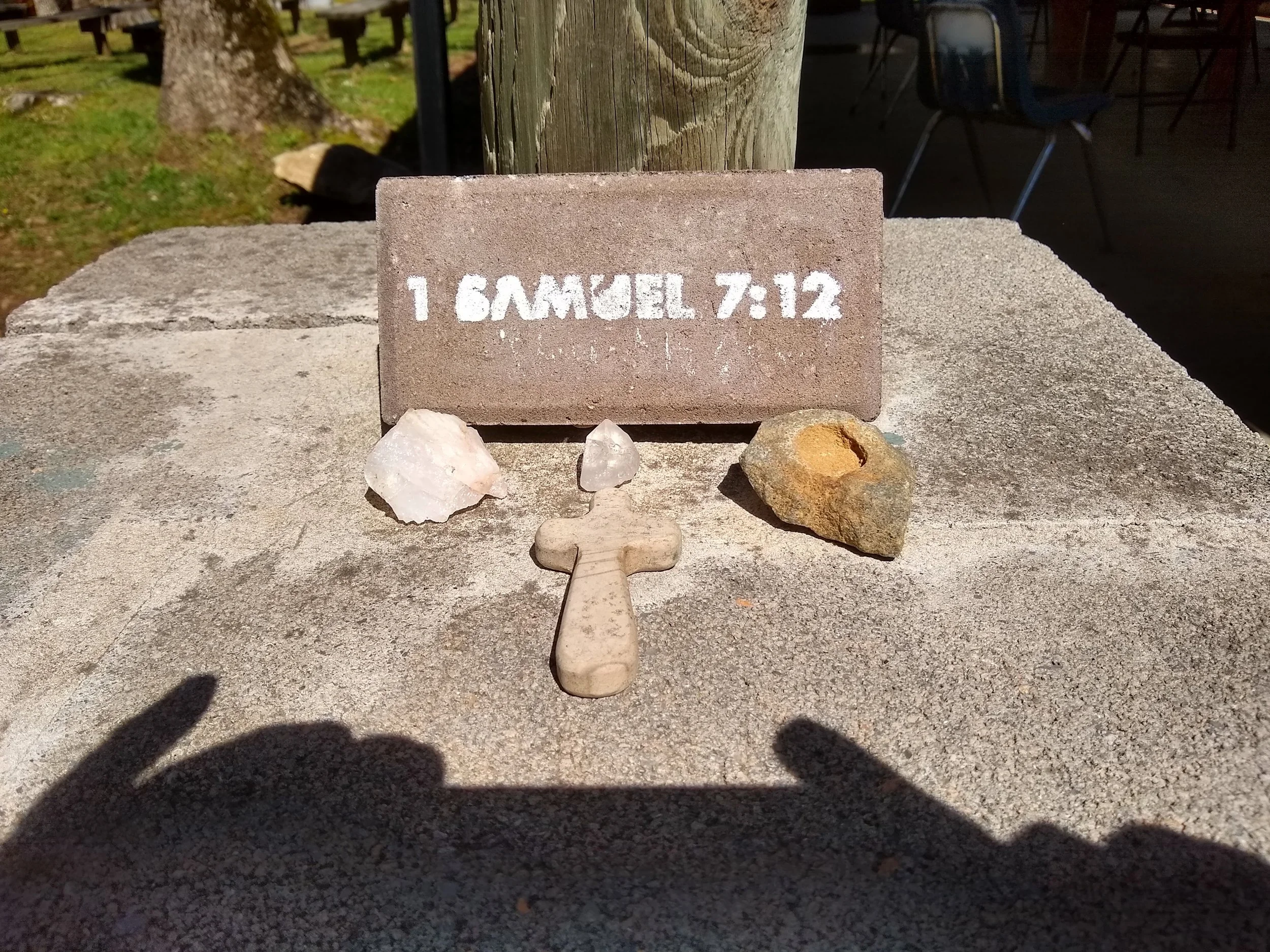
Some of the tombstones seem new and well-tended, the stone clean and shiny in a pearlescent way, flowers placed neatly at their base in decorous bundles. Some are adorned with odd tokens whose significance can only be guessed at; dolls, seashells, dog tags.
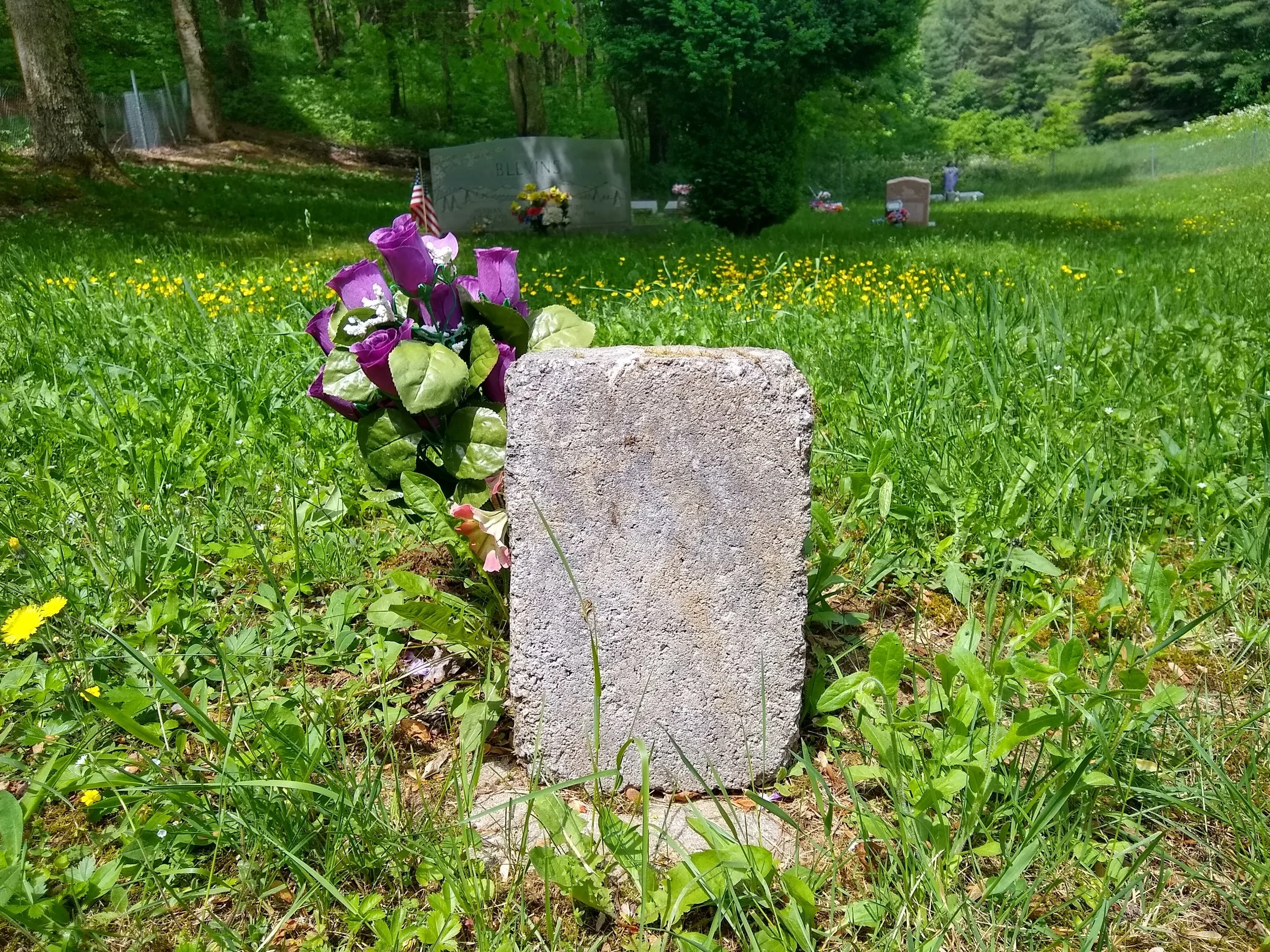
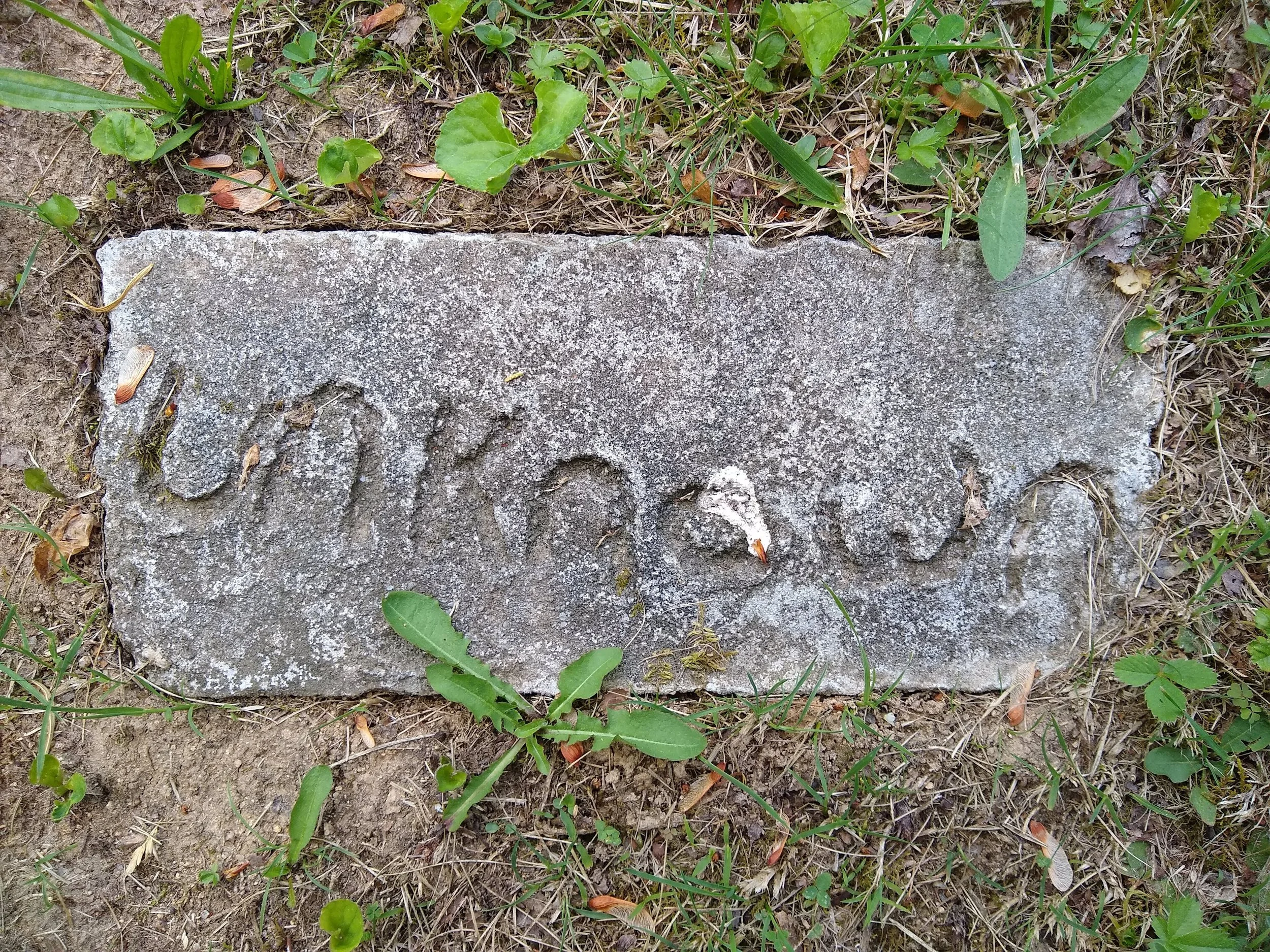
Sometimes the tombstones are so old and weather-worn that the words engraved in them have faded into illegibility and the names and dates can no longer be read, and they remain like blank pages of stone standing forever in the shade and grass. In one cemetery there are small, rectangular markers set into the ground, many almost hidden amid the pockets of overgrown weeds. Upon them is written a single word, Unknown. I stare at these stones for a long time, wondering at how they seem to encapsulate the essence of a human life in some way that the dates and deaths of the other stones do not. Part of me thinks that if we lived in a more honest world this would the text of every tombstone.
The cemeteries are an aspect of the trail never discussed among hikers, and they exist only as part of the trailscape, quiet pockets of shade and stone that are moved through in silence. Why this is so I am not sure. I think that the ways in which they work upon the hiker-mind are deeper than the level of words, and the insights to which they guide us are impossible to share in simple discussion, as all true insights are.
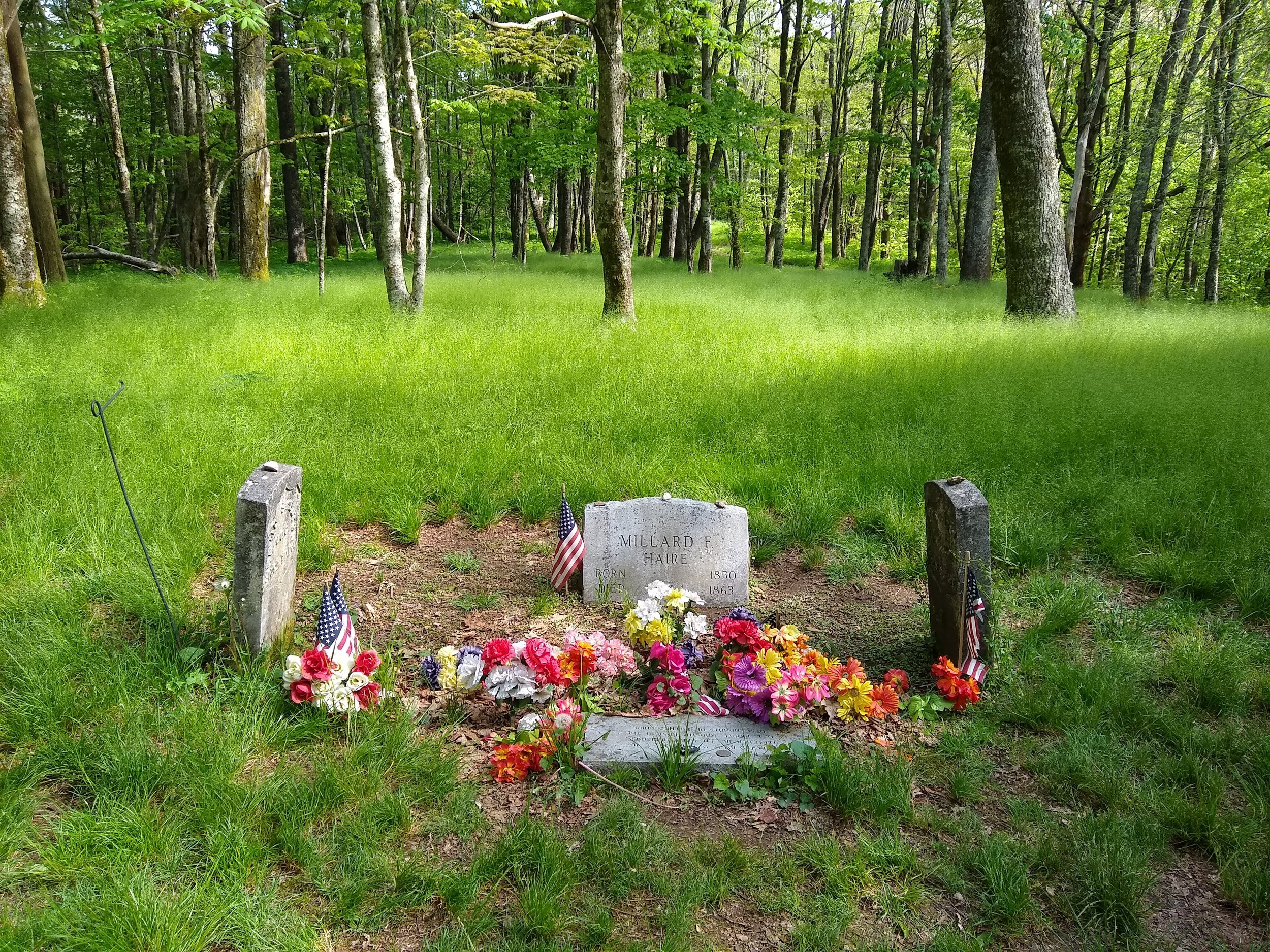
I believe these cemeteries function as the trail-equivalent of a momento mori; a symbolic invocation of life’s impermanence intended to remind the hiker of their mortality and ferment meditation upon the temporary and finite nature of their existence. They are places for the weary walker to stop and set down their packs and sit for a moment in the grass amid the tombstones, gazing upon the names written there. If gazed upon long enough, by minds ripened in forest solitude, every stone becomes a dark mirror reflecting a hiker’s own mortality back at them. Every name becomes their name, every birth their birth, every death their death. Their own beginning, their own end. Here the hiker becomes aware of the existential framework in which their lives unfold, and within this awareness blossoms a profound connection with one’s own presence in the world. We see ourselves for what we are, ephemeral flashes on the surface of shifting waters, unbounded souls in a sea of moments, caught in currents we can neither control nor resist but only ride.
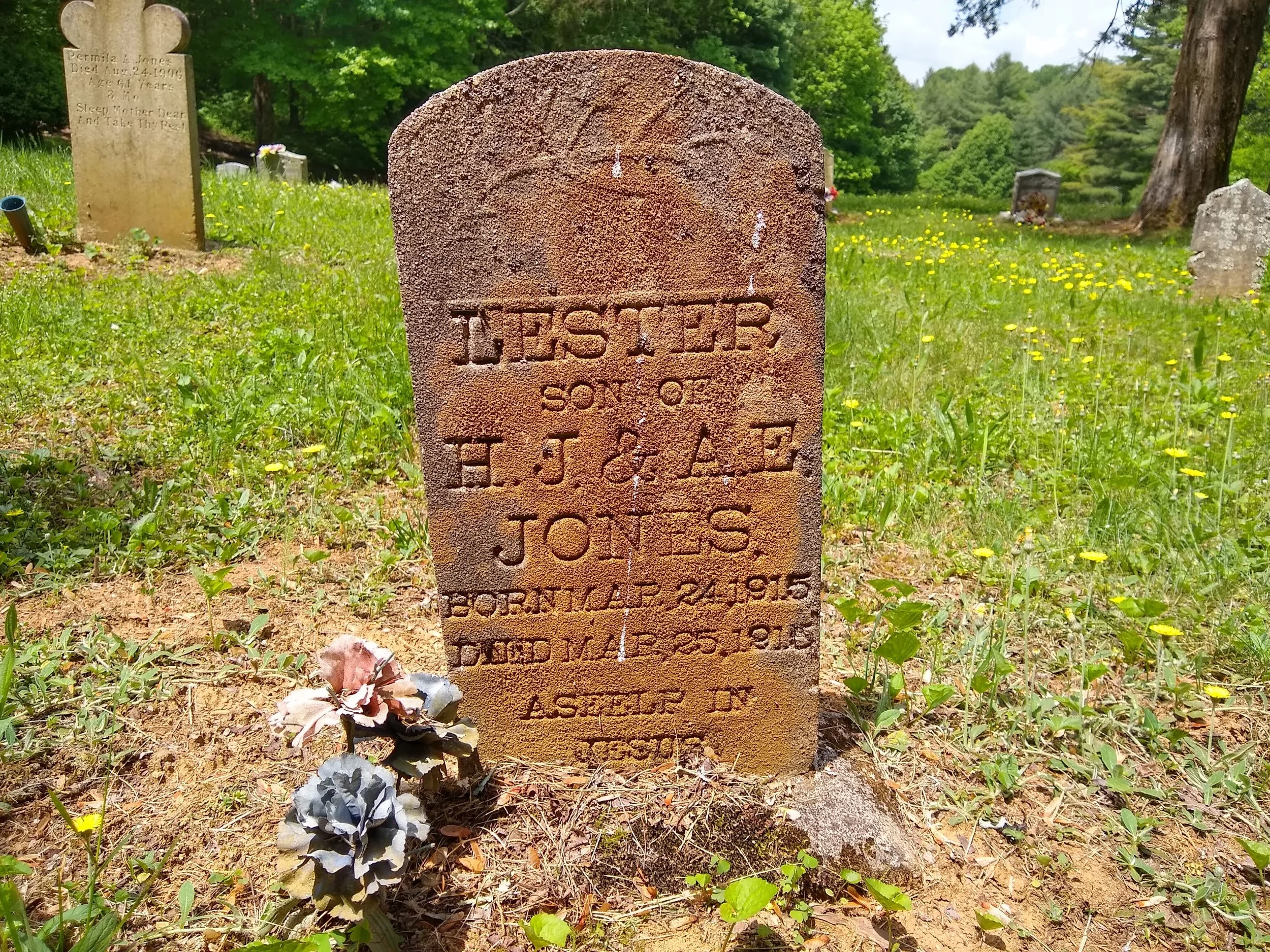
Like a series of vanitas paintings, these cemeteries confront us with quiet scenes of morbidity that create artful disturbances within the depths of our psyches. Tensions connected to our deepest fears stretching to the point of breaking, and then releasing in concussive waves of complex anxiety and somersaulting unknowns. From this inner turbulence comes a release of subconscious forces that flow out of us in a rapid expansion of perspective that absorbs the hyper-condensed focus on mortality and fear of death. We become elated, light-hearted, thrilled to be alive. The awareness of death creates an overwhelming desire for life, and we come away from contemplation of the tombstones filled with an infinite hunger for all things. For joy, for struggle, for laughter, light, darkness, sorrow. This is a hunger we wear in our skins, and the texture of the world tastes differently to us. Raindrops dance along our arms, sunshine slides like velvet on our face. Even the harshest of winds feels like an embrace, and the many pains of the trail become only another kind of affirmation. The sensory experiences we hardly register elsewhere become suddenly extravagant. The simple state of being becomes an ecstasy, a richness discovered amid the most mundane of moments. Life becomes a revolution against oblivion, and we, its joyful insurgents, rise up from the grass of a dozen different graveyards with hearts full of adventure, and a soft voice whispering in our ears, ‘Remember thru-hiker, thou art mortal…’
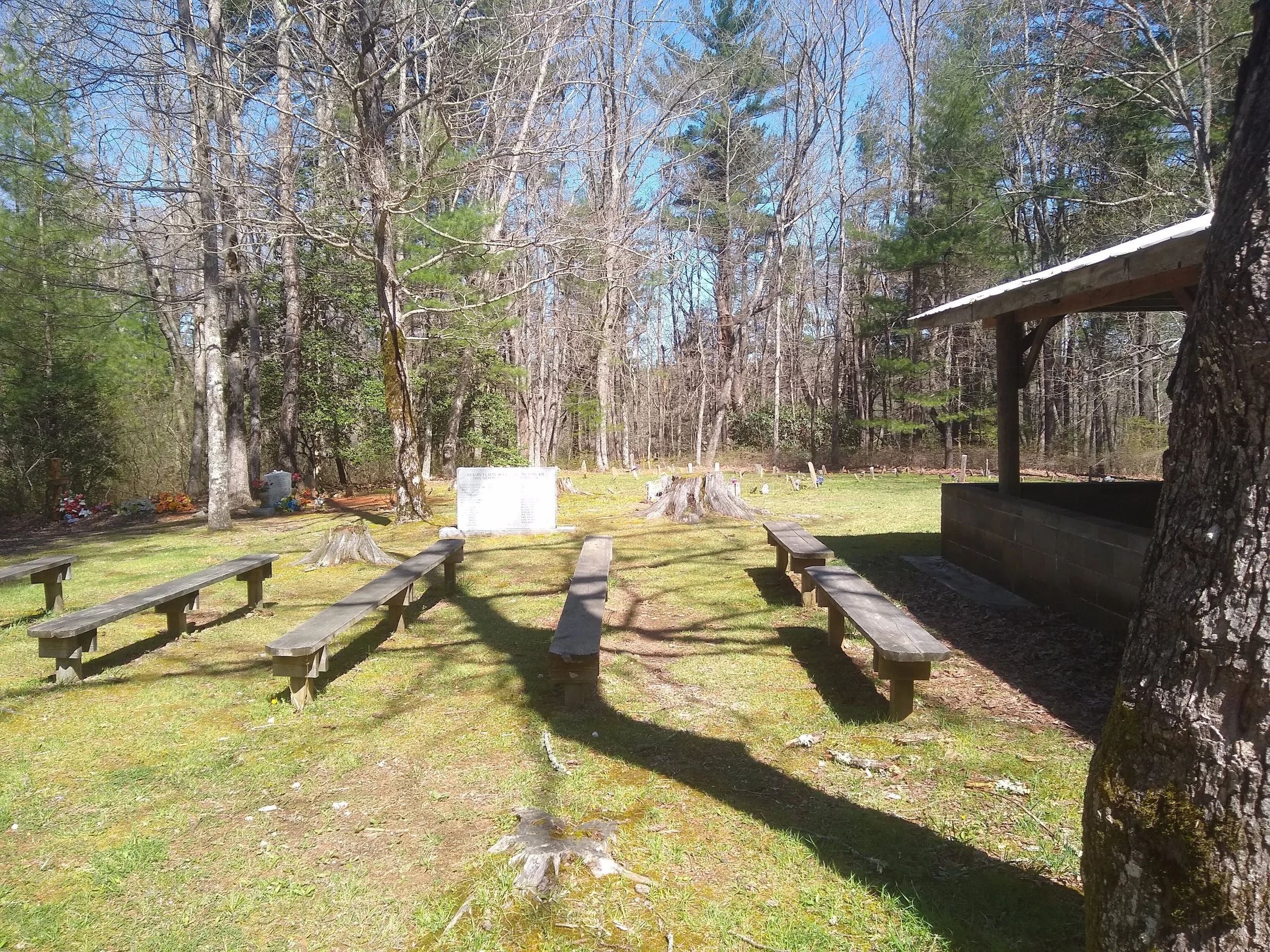
Once, early in my journey, while I am still hiking with my father, we find an old cemetery in the middle of the woods along a washed-out dirt road that the trail crosses over. It belongs to one of the many backwoods Baptist churches common to the region, like the one I grew up attending. This one has a sign nailed to the cinder-block pavilion that says: New Bethel Baptist, Hikers Welcome. The tombstones are old and faded and lean crookedly in the ground like loose teeth. It is a cold and sunny day in early April, and the cemetery seems very remote here in the middle of the forest, the sky very open and blue above.
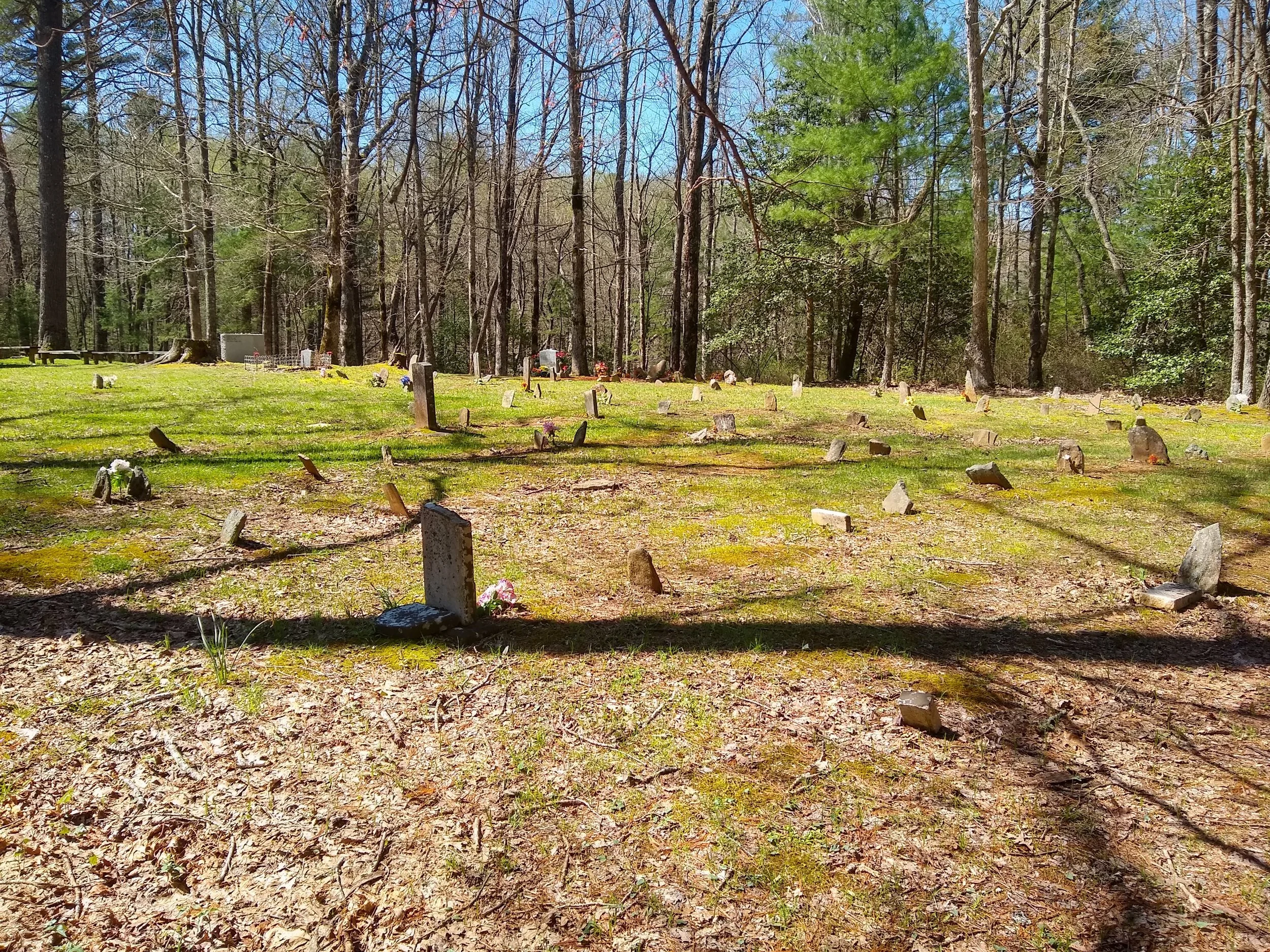
The words on many of the stones are hand-carved and date back over a hundred years. Many are just rocks half-buried in the ground, as if the deceased’s family couldn’t find or afford a proper tombstone. Many of the graves are unmarked and child-sized.
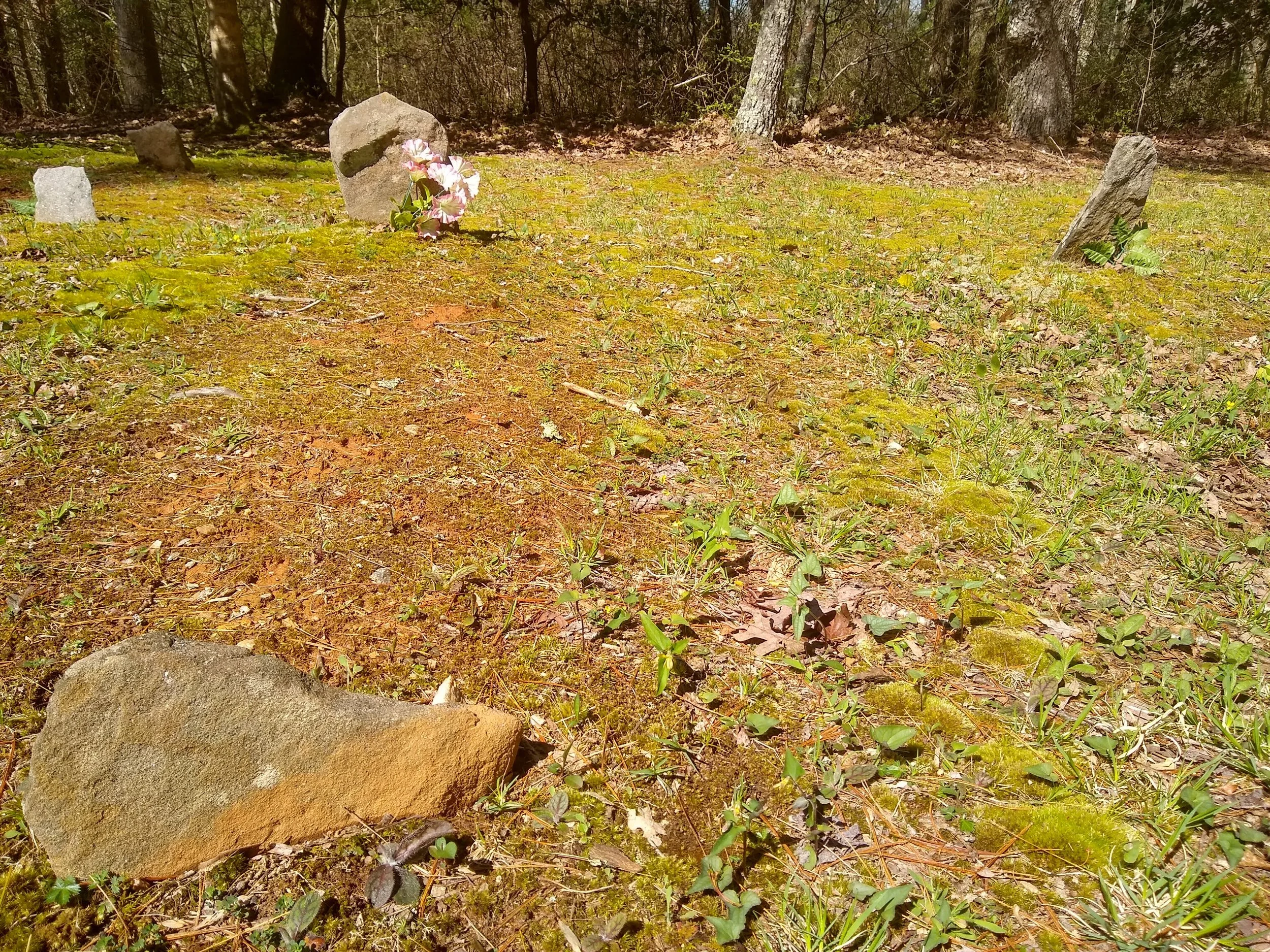
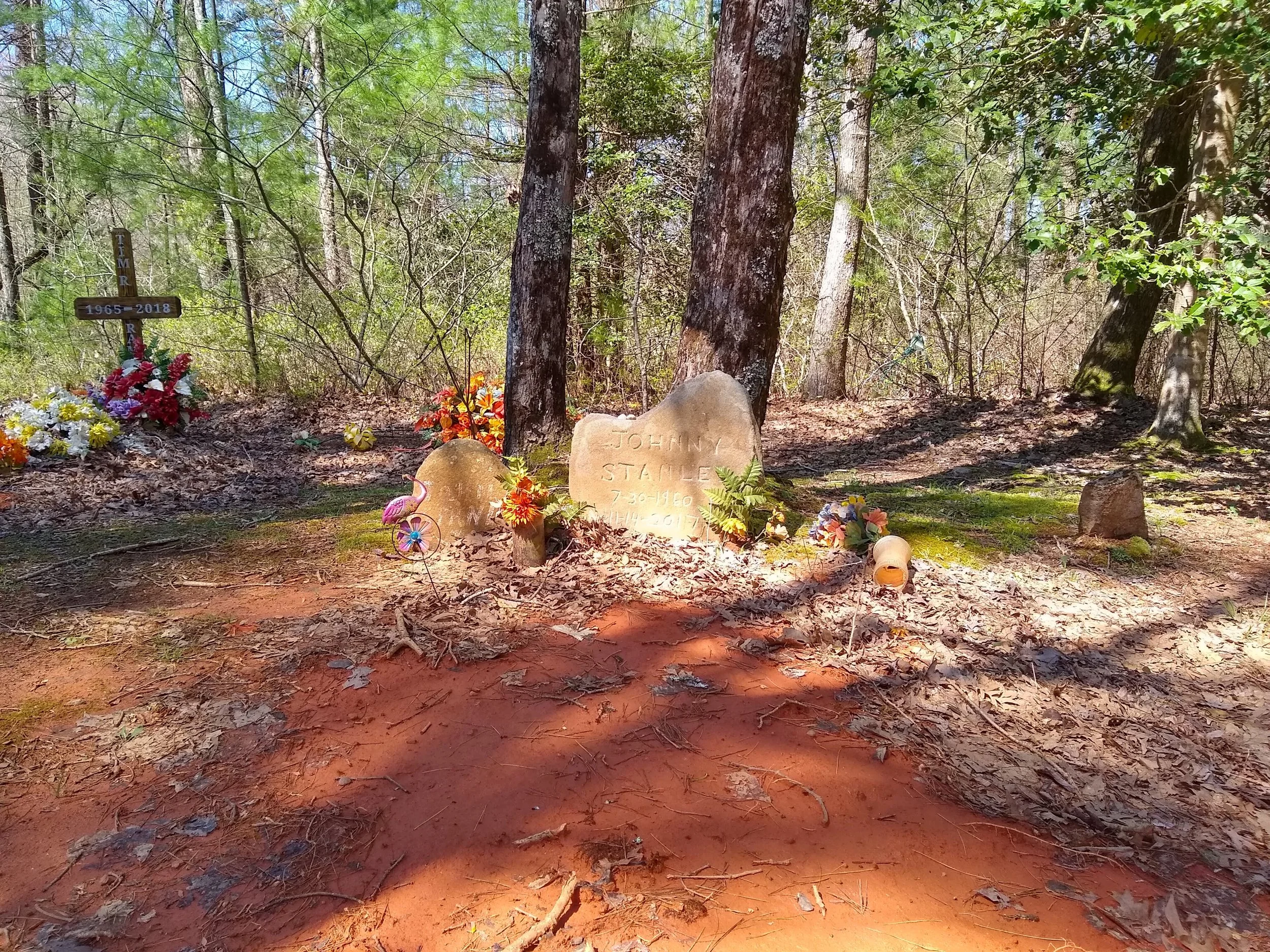
My father and I walk around the graves without speaking, solemn, heads filled with thoughts of the people buried here. Hard lives lived in the mountains, leaving nothing behind but a blank rock in a field of blank rocks. Sic vita est.
A little ways apart from the tombstones is something strange and wonderful. It is a large metal contraption shaped sort of like a see-saw; a horizontal post with a seat at each end balanced on a fulcrum, so that the seats move up and down and around like the ponies on a carousel. It was obviously something homemade from scrap-metal that had been welded together by some handy member of the church into a whirligig for children. When the wind blew it would spin slowly and squeal like rusty hinges.
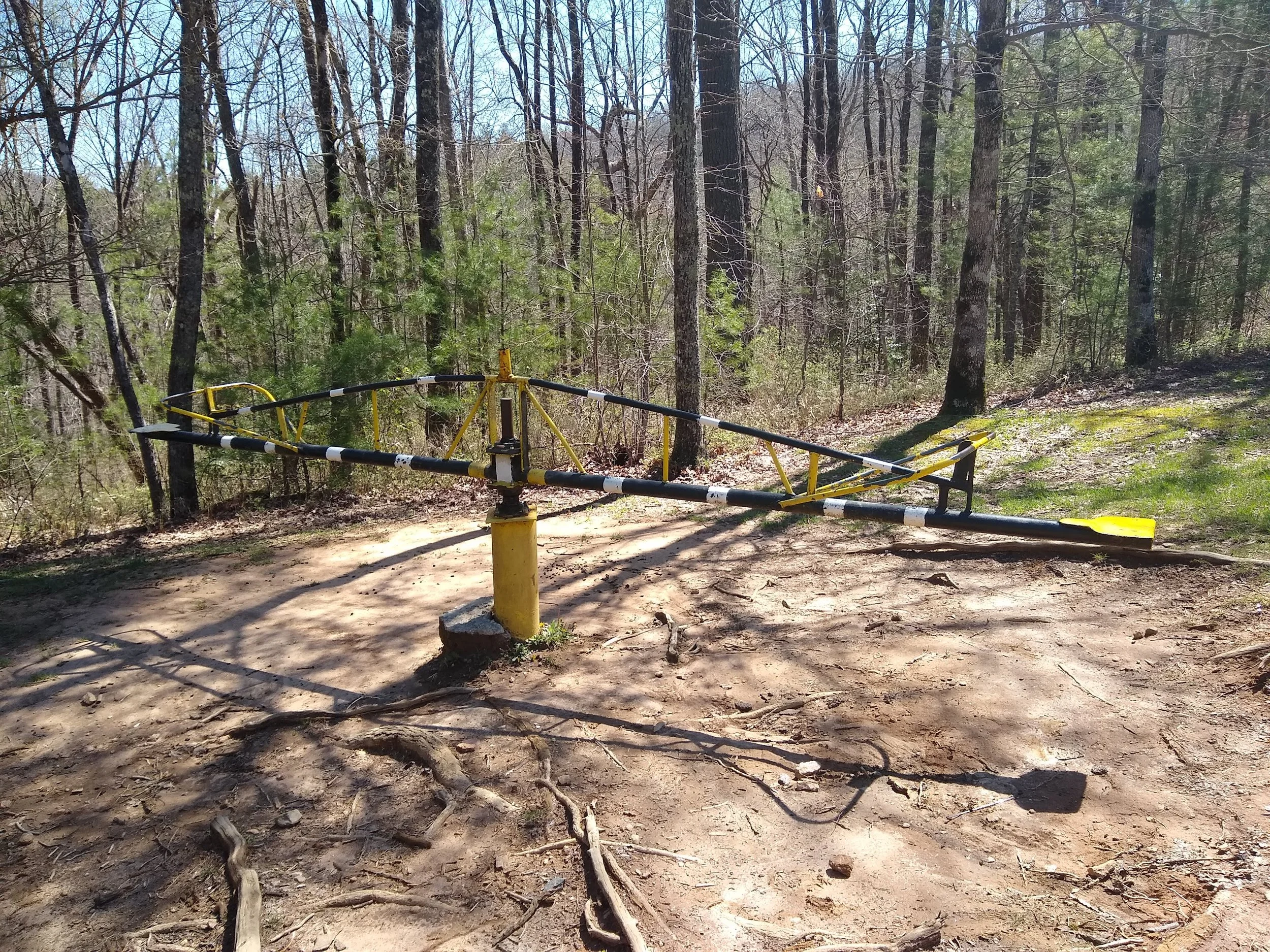
Filled with the desire for weightlessness that that we had found among the tombstones, my father and I grab onto the seats of the whirligig and push the contraption into motion. Once it is spinning as fast as it can, we leap onto the seats and grip them with a fervor half fear and half wonder, clinging to the metal as it spins and we revolve through the air like a weather-vane in a windstorm.
We are both laughing with gleeful abandon, at the motion, but also at our own absurdity. I imagine how crazy a sight it would have made if there had been anyone there to have seen it; two fully-grown men at play upon a thing unsafe and senseless, laughing at nothing and everything under the blue sky, filled with the love of life that is the true and secret lesson of all cemeteries.